1. At a Glance
Welcome to Vardhman Acrylics Ltd (VAL) — a company that practically owns the Indian acrylic fibre market (90% share), yet trades like it’s hiding from success. With a market cap of ₹323 crore, a stock price of ₹40.2, and a dividend yield of 3.73%, VAL is that calm student who scores 85% but never tells anyone.
In Q2FY26, revenue climbed 26.6% QoQ to ₹89.4 crore, while PAT jumped 60% QoQ to ₹2.5 crore — but before you clap, remember the base was smaller than your Diwali bonus. The company’s P/E ratio of 31.7x and ROE of 4.86% suggest it’s not a wealth generator; it’s more like a trust-fund kid of Vardhman Textiles (70.74% parent holding) just chilling with zero debt and zero pressure.
The company is so conservative that even their Other Income of ₹15.5 crore looks more exciting than the main business. Still, debt-free, steady dividends, and a 90% market share? Sounds like a silent desi duopoly where competition is basically “good manners.”
2. Introduction – The Silent Billionaire Cousin of Vardhman Textiles
Picture this: you’re at a family wedding. Everyone’s hyped about the flashy cousin — Vardhman Textiles, strutting in Italian suits. And there, quietly at the buffet table, sits Vardhman Acrylics, eating gulab jamuns, smiling modestly, holding 90% of the acrylic fibre market in India.
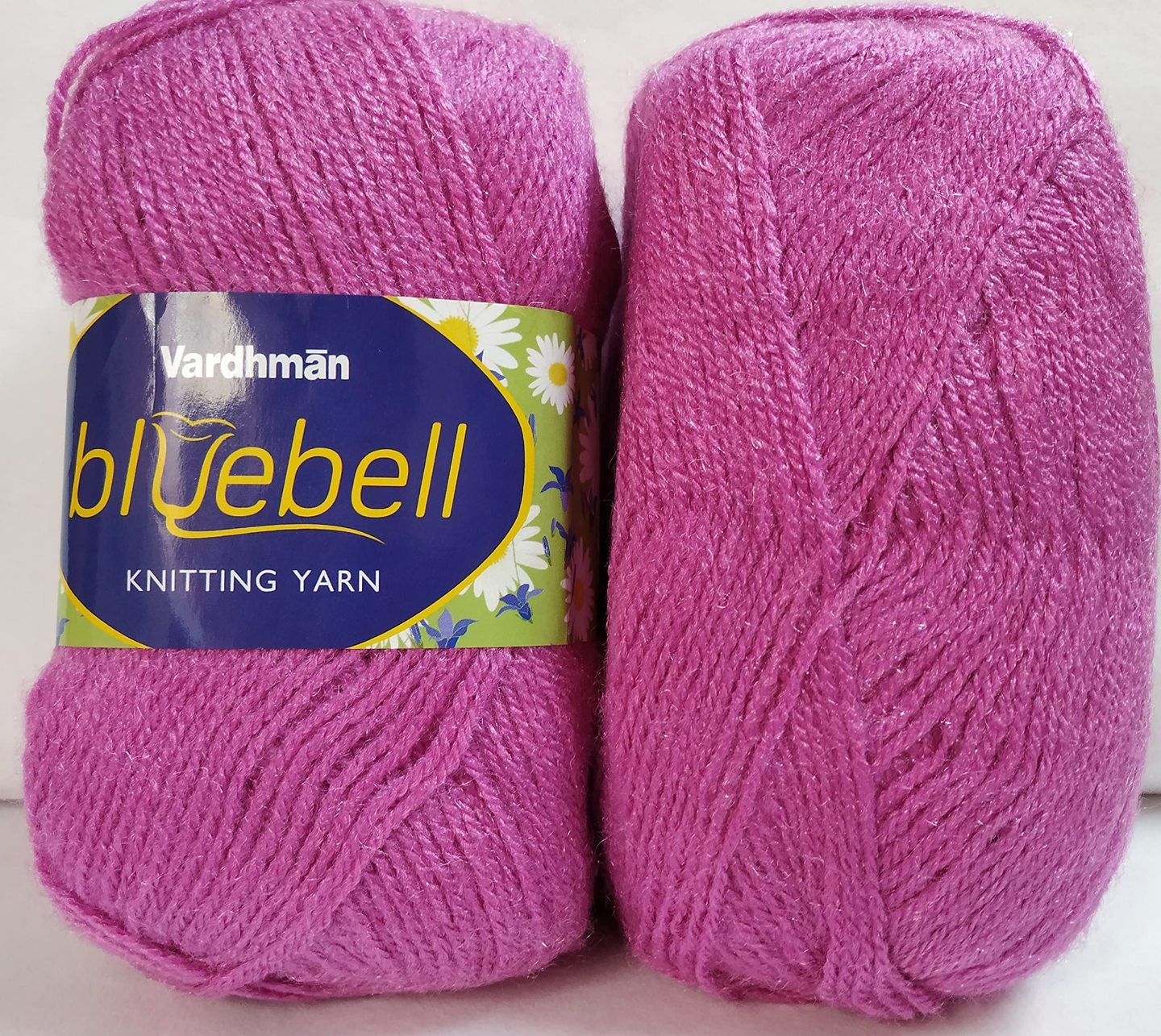
Incorporated in 1990, the company operates from Jhagadia, Gujarat, producing 21,000 tonnes per annum of acrylic fibre and tow — that fuzzy material used in sweaters, blankets, and shawls your nani keeps gifting. The company markets its fibre under the “Varlan” brand — which sounds like a Game of Thrones kingdom but really just makes your winter clothes warmer.
Despite such dominance, its growth chart resembles India’s monsoon pattern — irregular, unpredictable, and frequently delayed. Sales have declined at –3.38% CAGR over 5 years, and profits shrank by –24%. Yet, it throws an 85–90% dividend payout like a retired PSU babu sharing pension sweets.
What kind of magic is this? Zero debt, low growth, high yield — it’s like a fixed deposit that occasionally flirts with the stock market.
3. Business Model – WTF Do They Even Do?
Alright, so what’s their gig? VAL manufactures acrylic fibre and tow, which is like polyester’s softer, more emotional cousin. It mimics wool but costs less — a dream for every small-town sweater factory.
The business is divided into:
- Apparels: Think sweaters, scarves, ties, socks — basically everything that makes winters fashionable but static-charged.
- Household: Rugs, carpets, blankets, and bath mats — where every thread screams “Made in Jhagadia.”
Their end-users include hosiery, weaving, and home furnishing industries — the textile world’s dependable middle class.
But here’s the kicker — despite having no competition (literally 90% market share), the company’s operating profit margin has dropped from 17% in FY21 to just 0.11% in FY25. How do you manage that? That’s like