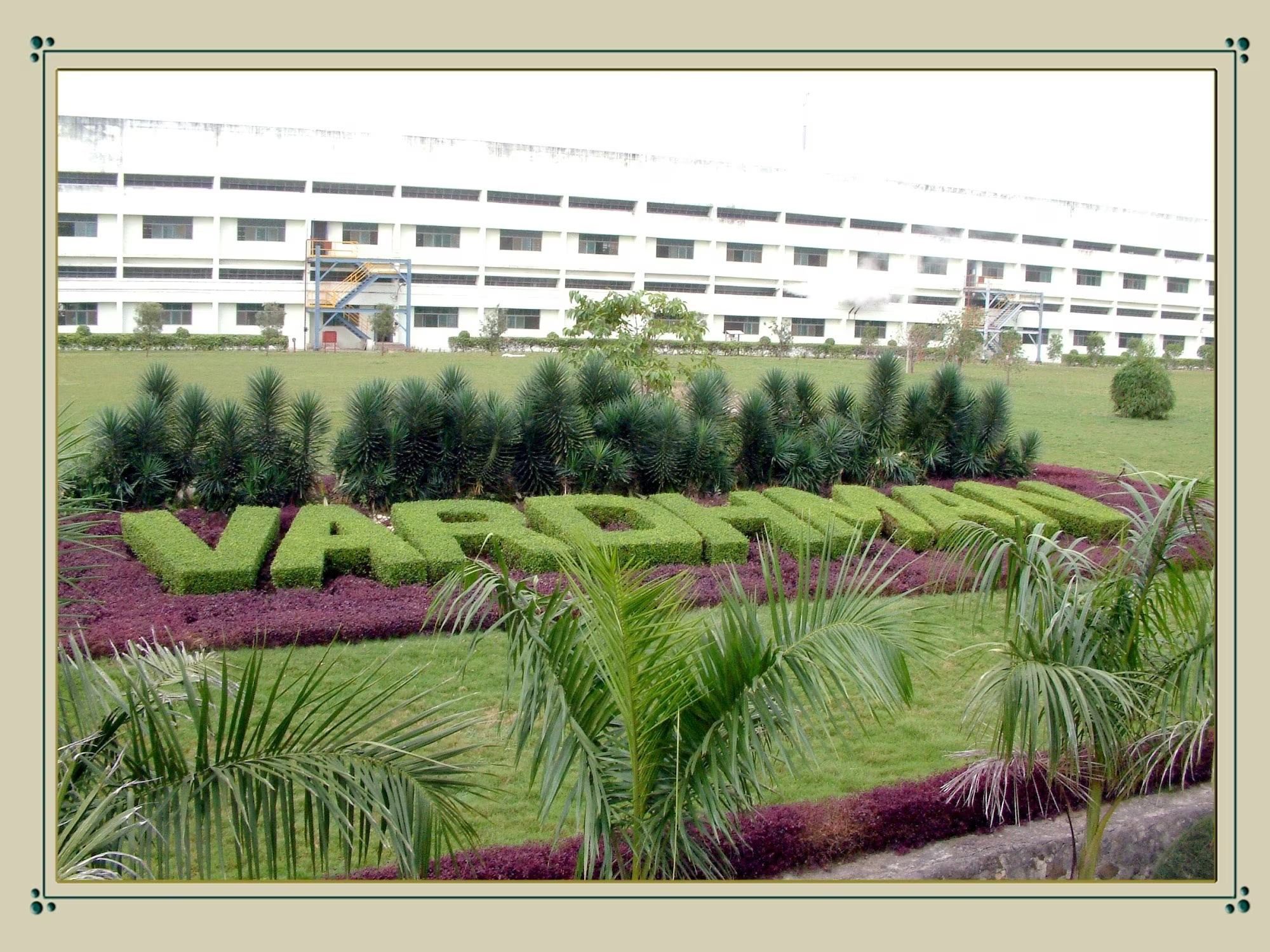
Vardhman Acrylics Ltd Q4 FY26: Profit Spikes 7X While Revenue Cruises; Dividend Party is On!
Vardhman Acrylics Ltd (VAL) just dropped its audited full-year and Q4 results for the period ending March 31, 2026, and the numbers are louder than a heavy metal concert. While the top line is growing at a respectable pace, the bottom line just decided to pull a rocket ship maneuver.
Revenue for the quarter climbed to ₹ 83.50 crore, marking a 15.8% YoY jump. But the real headline? Net Profit for the quarter skyrocketed by nearly 700% YoY to hit ₹ 15.59 crore. Yes, you read that right. The company went from barely breathing a year ago to printing cash like it owns the mint.
1. At a Glance
If you ever wondered what a “cash cow” looks like in the textile world, look no further. Vardhman Acrylics is essentially a specialized powerhouse that dominates the Indian acrylic fiber market with a massive 90% operational capacity share. This isn’t just a business; it’s a gatekeeper.
The latest results show a company that has successfully navigated the choppy waters of raw material volatility and global dumping. For the full year ended March 2026, VAL clocked a total revenue of ₹ 318.57 crore, up from ₹ 281.57 crore last year. However, the efficiency story is told in the profit figures. The annual Net Profit surged from ₹ 11.83 crore in FY25 to ₹ 27.25 crore in FY26.
The Board isn’t being stingy either. They’ve recommended a dividend of ₹ 1.50 per share. With the stock trading around ₹ 37.4, that’s a juicy yield for anyone sitting on the sidelines. The company is debt-free, sitting on a pile of cash, and backed by the mighty Vardhman Textiles Ltd (VTXL), which owns over 70% of the skin in this game.
The market seems to be waking up to the fact that while “textiles” sounds boring, “90% market dominance” is anything but. The stock’s P/E sits at a modest 11.0, while the industry average is nearly double that. It’s like finding a designer jacket at a local thrift shop price.
Are you seeing the hidden value here, or are you still waiting for the “next big thing” that actually makes zero profit?
2. Introduction
Vardhman Acrylics is the silent backbone of your winter wardrobe. From sweaters and mufflers to those cozy blankets you wrap yourself in during a Netflix binge, there’s a high chance VAL provided the fiber. Incorporated in 1990, they’ve spent decades perfecting the art of manufacturing Acrylic Fibre and Tow.
Operating out of a high-tech facility in Jhagadia, Gujarat, the company has an installed capacity of 21,000 TPA. They aren’t trying to be everything to everyone; they are 100% focused on their niche. This focus has allowed them to maintain a “Strong” liquidity profile according to recent CRISIL ratings.
The beauty of VAL lies in its simplicity. No debt. No fancy subsidiaries. Just a clean operation that manufactures a product people need, sells it, and hands the profits back to the shareholders. It’s an old-school business model executed with modern-day precision.
However, it’s not all sunshine and soft sweaters. The company is a slave to Acrylonitrile prices—a raw material derived from crude oil. When oil gets moody, VAL’s margins feel the heat. But as the latest data shows, they’ve managed to expand their spreads significantly this year as cheaper imports from China and Thailand slowed down.
3. Business Model – WTF Do They Even Do?
Let’s keep it simple for the folks in the back. Vardhman Acrylics takes a chemical called Acrylonitrile and turns it into soft, fluffy Acrylic Fibre. They sell this under the brand name Varlan.
Why does this matter? Because acrylic is the “poor man’s wool.” It looks like wool, feels like wool, but it doesn’t itch and it’s way cheaper to produce. It’s used in:
Apparel: Sweaters, T-shirts, socks, and those “designer” mufflers.
Household: Carpets, blankets, and upholstery.
Industrial: Bunting and specialized fabrics.
They operate with a 70.74% parentage support from Vardhman Textiles. Imagine having a big brother who owns the playground—that’s VTXL for VAL. They get managerial guidance, operational synergies, and a high level of credibility in the banking system.
They are one of the top three players in India, but as we mentioned, they control 90% of the operational capacity. In a world of fierce competition, VAL is essentially the landlord of the Indian acrylic fiber space.
Does a business that controls 90% of its niche excite you, or do you prefer companies that fight for crumbs?
4. Financials Overview
The numbers are out, and they are sparkling. We’ve crunched the latest Q4 (March 2026) data against the previous year and the previous quarter.
Particulars (₹ Crores)
Q4 FY26 (Latest)
Q4 FY25 (YoY)
Q3 FY26 (QoQ)
Revenue
83.50
72.11
76.28
EBITDA
10.38
3.20
10.41
PAT
15.59
1.96
7.41
EPS (₹)
1.94
0.24
0.92
Annualised EPS Calculation:
Since this is the Q4 (March) result, we use the actual full-year EPS provided in the audited results.
FY26 Full Year EPS = ₹ 3.39
Commentary:
The profit growth is staggering. The PAT for the quarter jumped from a measly ₹ 1.96 cr last year to ₹ 15.59 cr. Even compared to the December quarter (Q3), the profit more than doubled. Management has clearly “walked the talk” mentioned in recent credit reports regarding the recovery of spreads. They anticipated a margin recovery as dumping from competing nations reduced, and boy, did they deliver.
5. Valuation Discussion – Fair Value Range
Let’s get clinical. Is the stock cheap, or is it a trap?
Method 1: P/E Approach
Trailing 12-Month EPS: ₹ 3.39
Historical Median P/E: ~12.5x (Adjusted for recent cycles)