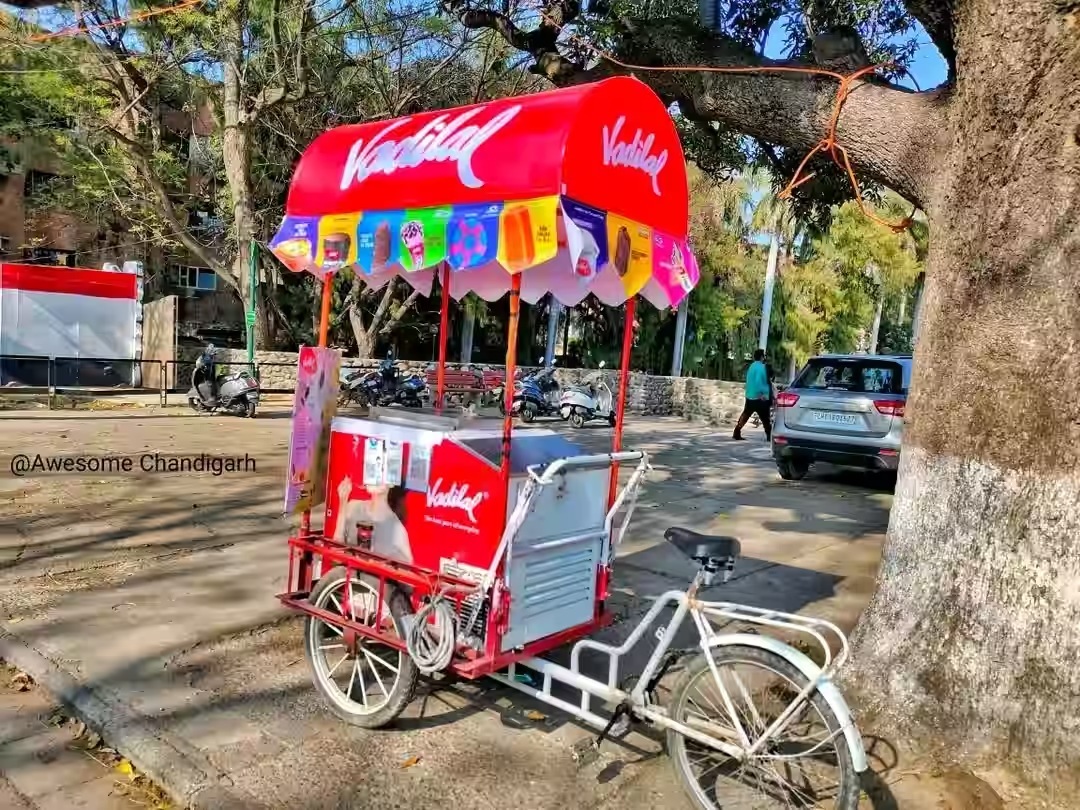
1. At a Glance – Brain Freeze in Q3?
Vadilal Industries Ltd is currently priced at ₹5,346 with a market cap of ₹3,833 Cr. Stock P/E stands at 31.4 versus industry median of 27.4. ROCE is 25.1% and ROE is 24% — numbers that normally scream “premium dairy royalty.”
But then Q3 FY26 walks in like uninvited winter.
Latest quarter (Dec 2025):
Sales: ₹238 Cr
PAT: ₹ -0.15 Cr
EPS: ₹ -0.22
OPM: 4.47% (down sharply from 15%+ zone earlier in the year)
Three-month return? 4.42%.
So the stock had a summer party… but earnings just caught seasonal flu.
Working capital days have ballooned from 52 to 78. Inventory days? 188. That’s a lot of ice cream sitting in freezers.
And yet, long-term profit CAGR of 29% over five years.
So what is this? Seasonal hiccup? Governance clean-up cost? Or margin frostbite?
Let’s open the freezer and inspect.
2. Introduction – From Kothi Method to Corporate Courtroom Drama
Vadilal started in 1907 as a soda business. The founder used the traditional “Kothi” method to make ice cream. Imagine hand-churned nostalgia.
Then came mechanization. Then retail expansion. Then exports to 24 countries. Then family dispute. Then NCLT. Then NCLAT. Then board reshuffle.
This isn’t just an ice cream company. This is a Gujarati family saga with a dairy twist.
FY25 revenue split:
Ice Cream: 90%
Processed Food: 10%
Geography:
Domestic: 80%
Exports: 20%
Manufacturing:
Ice cream plants: Pundhra (Gujarat), Bareilly (UP)
Processed food: Valsad (Gujarat)
USP?
That’s enough to emotionally stabilize half of India.
But governance drama dominated FY25–26:
Gandhi family dispute resolved
NCLAT cleared litigation
Board restructured
Promoter directors redesignated
First non-family CEO appointed (Himanshu Kanwar)
Question for you:
Or is the market still cautious?
3. Business Model – What Do They Even Do?
Let’s simplify.
They make:
Ice cream
Frozen desserts
Candy
Juicy products
Frozen fruits & vegetables
Canned pulp
Ready-to-eat food
90% revenue is ice cream. So yes, this is fundamentally a temperature-controlled emotion business.
Revenue model:
Manufacture
Distribute across 24 states + 2 UTs
Export to 24 countries
The processed food division gives diversification, but let’s be honest — investors are here for cones, not canned peas.
Ice cream economics:
High gross margins
Seasonal spikes (summer party, winter depression)
High working capital
Cold chain complexity
Now think:
That’s not fast-moving FMCG. That’s frozen-moving FMCG.
And winter quarter just reminded everyone that seasonality is real.
4. Financials Overview – The Winter Quarter Reality Check
EPS:
Q1 FY26: ₹93.19
Q2 FY26: ₹46.50
Q3 FY26: ₹ -0.22
Average = (93.19 + 46.50 – 0.22) / 3 = ₹46.49
Recalculated P/E = 5346 / 185.96 ≈ 28.7
Interesting. Lower than reported trailing P/E 31.4.
Quarterly Comparison (₹ Cr)
Metric Latest Q3 FY26 Q3 FY25 Q2 FY26 YoY % QoQ % Revenue 238.02 203.85 341.30 16.76% -30.25% EBITDA 10.64 25.54 51.27 -58.3% -79.2% PAT -0.15 11.93 33.42 -101% -100.4% EPS (₹) -0.22 16.60 46.50 -101% -100.5%
Revenue up 16% YoY.