01 — At a Glance
The Beer King That Lost Volume But Found Profit
- 52-Week High / Low₹2,295 / ₹1,401
- Q3 FY26 Revenue₹2,071 Cr
- Q3 FY26 PAT₹81 Cr
- Q3 EPS (₹)₹3.06
- Annualised EPS (Q3×4)₹12.24
- Book Value₹164
- Price to Book10.7x
- Dividend Yield0.57%
- Debt / Equity0.18x
- YoY Profit Growth+111%
Opening Bell: United Breweries reported Q3 FY26 revenue of ₹2,071 crore (+4% YoY), but here’s the twist—beer volume fell 1.3% in the quarter due to a colder-than-usual winter. Yet PAT exploded 111% to ₹81 crore. Why? Premium premiumisation. Gross margin jumped 222 basis points. EBIT jumped 86%. The stock trades at P/E 111x. If that sounds high, congratulations, you can read. But Heineken-owned India’s beer leader keeps finding ways to make less volume mean more profit. This is the beer paradox in its finest form.
02 — Introduction
The Pub Where Margins Are Better Than Volumes
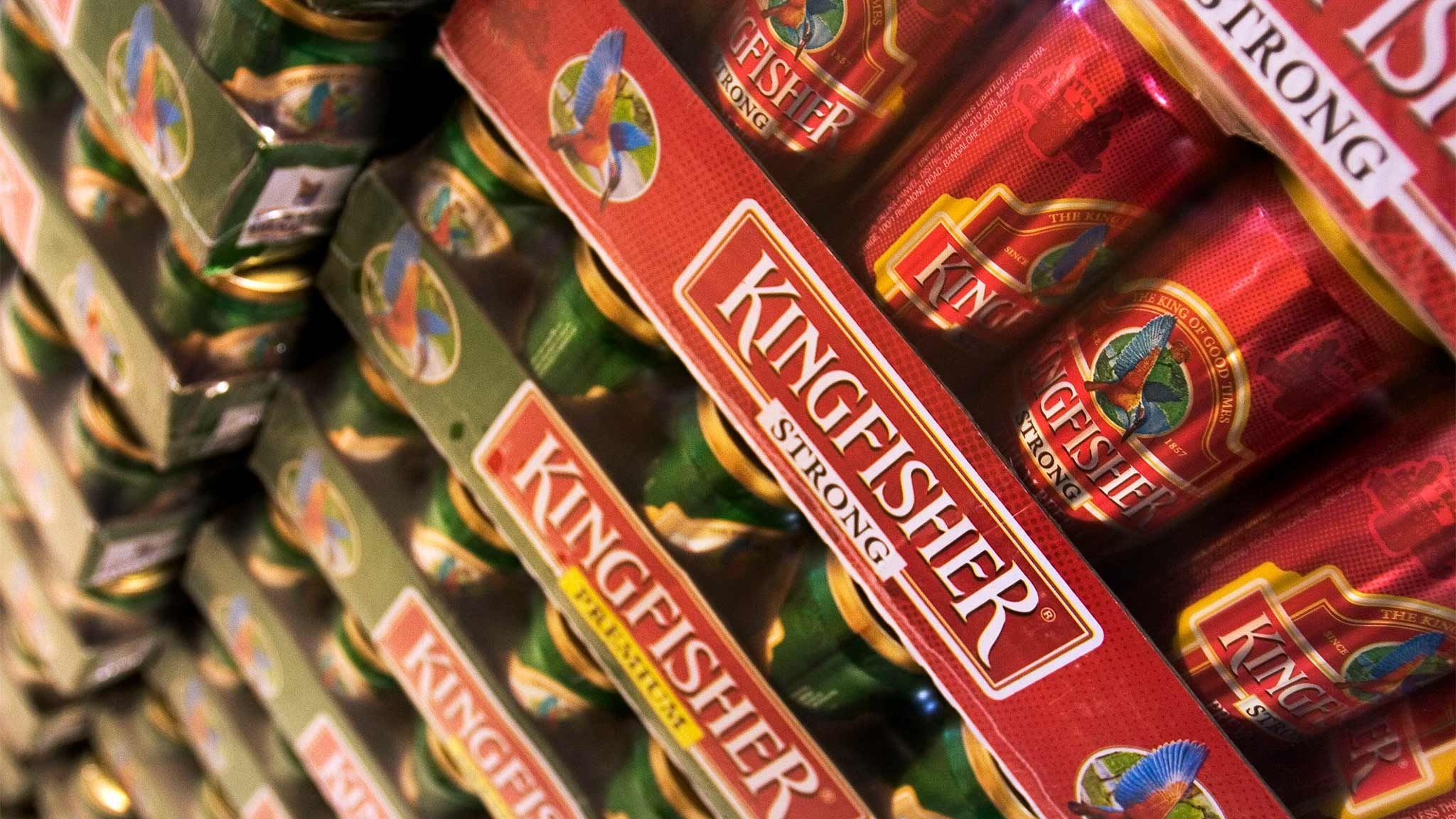
United Breweries Limited (UBL) is what you get when you cross a 100-year-old Indian beer legacy with Heineken’s global playbook, add a pinch of premium products, and watch the magic happen. The company sells Kingfisher (India’s most iconic beer brand), Heineken, UB Export, and a bunch of fancy craft beers to a country that’s still figuring out its beer culture. Think of India as the teenage phase of beer drinking. Lots of growth potential, but still learning what “premium” means.
Currently, 61.5% owned by Heineken NV (the Dutch beer giant), 11.2% by Vijay Mallya’s group (yes, that Vijay Mallya), and the rest scattered among DIIs, FIIs, and retail investors who desperately hope the stock doesn’t become a penny stock. UBL commands roughly 54% of India’s beer market—which is less about dominance and more about the fact that the Indian beer market is still smaller than a decent mid-sized FMCG player globally.
Q3 FY26 just wrapped. Volume was down. Profit was up. Margins expanded like a balloon at a kid’s birthday party. The company is building a greenfield brewery in Uttar Pradesh. ICRA upgraded the rating in December 2025. And yet the stock trades at P/E 111, which is either a steal or a trap. Let’s dig through the numbers and figure out which one.
Management Concall (Feb 2026): “Building further category growth while driving the share of premium in our portfolio remains a key focus.” Translation: we’re going to sell less beer that makes more money. Hope the category doesn’t shrink faster than we can premiumise.
03 — Business Model: Why Indians Drink Beer (Allegedly)
You Make Beer. People Buy Beer. India Gets 54% Of Your Profit.
Here’s the business: UBL brews beer at 19 owned facilities and 16 contract manufacturing arrangements across India. They buy grain (malt), hops, and yeast from global suppliers. They slap the Kingfisher or Heineken label on the bottle or can. They push it through an army of distributors, wholesale shops, bars, restaurants, and increasingly, online channels. End-user pays ₹200–₹800 per drink depending on premium positioning. UBL keeps a slice.
Market share breakdown: roughly 54% of India’s beer market (as of recent data). Competitors like Radico Khaitan, Tilaknagar Industries, and India Glycols operate in smaller spaces or adjacent segments. But none have UBL’s brand recall or distribution depth. Kingfisher is to Indian beer what Thums Up is to cola—omnipresent, slightly aggressive, and part of the cultural fabric.
The volume curve? Growing at ~2.6% YoY for the year-to-date (FY26), but Q3 specifically was down 1.3% because of unusually cold weather in key regions. Turns out Indians drink less beer when it’s 15°C outside. Who knew. Premium products (Kingfisher Ultra, Heineken Silver) are growing at 23% YoY, offsetting regular lager weakness. The genius move: shift the mix upwards, expand margins even if absolute volume stagnates.
Market Share54%India Beer
Q3 Volume Growth-1.3%YoY (Weather Impact)
YTD Volume Growth+2.6%FY26 To Date
Premium Vol Growth+23%YoY Mix Shift
State Control Reality: India’s beer business is run by 28 different state governments, each with their own excise duty rates, licensing rules, and advertising restrictions. A 1% increase in excise duty in Karnataka (UBL’s largest profit generator) can crater earnings for a quarter. Regulatory risk is baked in.
💬 Have you bought Kingfisher at ₹400/beer at a bar and wondered why the company isn’t a ₹1 trillion valuation? Drop your thought!
04 — Financials Overview
Q3 FY26: The Numbers That Don’t Add Up (But Do)
Result type: Quarterly Results | Q3 FY26 EPS: ₹3.06 | Annualised EPS (Q3×4): ₹12.24 | Full-year TTM EPS: ₹15.46
| Metric (₹ Cr) |
Q3 FY26
Dec 2025 |
Q3 FY25
Dec 2024 |
Q2 FY26
Sep 2025 |
YoY % |
QoQ % |
| Revenue | 2,071 | 1,998 | 2,053 | +4.0% | +0.9% |
| EBITDA | 236 | 151 | 130 | +56.3% | +81.5% |
| EBITDA % | 11.4% | 7.6% | 6.3% | +380 bps | +510 bps |
| PAT | 81 | 38 | 46 | +111% | +76% |
| EPS (₹) | 3.06 | 1.45 | 1.76 | +111% | +73.9% |
The Plot Twist: Volume down, profit up 111%. This is premium mix in action. Gross margin jumped from 43.1% (Q3 FY25) to 45.3% (Q3 FY26)—that’s 222 basis points. Input costs (grain, hops) were benign. Price increases in key states (Telangana, Rajasthan, UP) stuck. Premium products (higher-margin stuff) grew at 23% YoY. Result? Fewer beers sold, more profit extracted per beer sold. Classic playbook. Current P/E 111x based on TTM EPS ₹15.46, so Q3’s annualised ₹12.24 doesn’t fully reflect full-year economics. But the trajectory is clear: margin expansion beats volume growth in UBL’s playbook.
05 — Valuation: The P/E 111 Question
Is This Stock Expensive, or Just Premium Priced?
Join 10,000+ investors who read this every week.