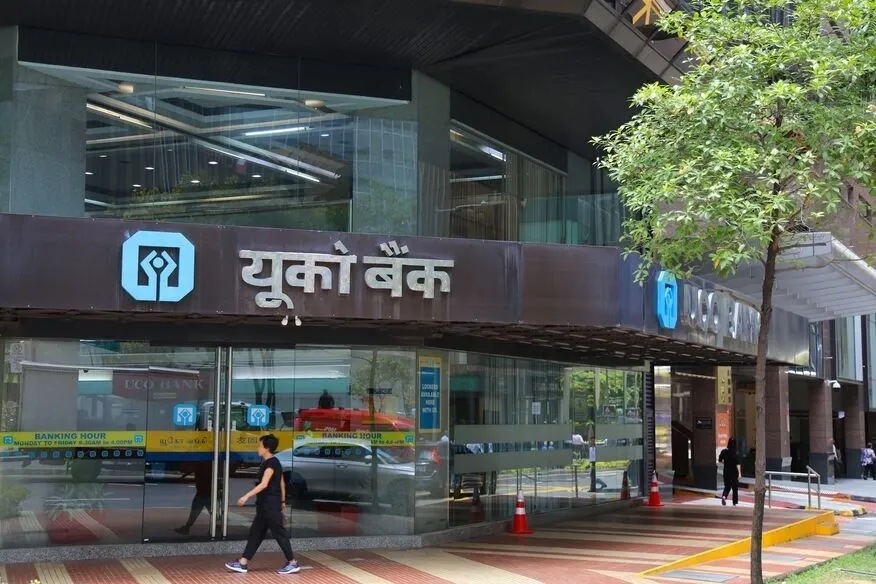
UCO Bank Q2 FY26 | From ₹4,436 Cr Losses to ₹2,518 Cr Profits – The Great PSU Lazarus Act Nobody Saw Coming
1. At a Glance – The Great Indian Comeback PSU
Once the meme-stock of PSU banking, UCO Bank has suddenly started behaving like that cousin who cleaned up, got fit, and now lectures on discipline. At ₹ 30.9 per share (market cap ~ ₹ 38,735 Cr), this 81-year-old Kolkata veteran has pulled off a resurrection: net profit ₹ 620 Cr in Q2 FY26, up ~3 % QoQ; gross NPAs down to 2.56 % (from 7.9 % FY22); PCR 95 %; ROE 8.4 %; and CAR 17.9 %.
But before you clap, remember — this is still a PSU bank. Which means one board meeting away from being asked to “help” fund the next infrastructure dream.
The stock trades at 1.19× book value, P/E 15.4×, dividend yield 1.26 %, and has given a delightful –32 % return YoY. PSU investors call that “character-building.”
2. Introduction – From ICU to UCO
There was a time when “UCO” was shorthand for “Under Constant Observation.” Losses, frauds, NPA files thicker than a Kolkata phonebook — and every few years, a fresh capital infusion from the Government of India like prasad to the unrepentant.
Then came FY22–FY25, the recovery arc Bollywood never made: profits reappeared, NPAs fell faster than a crypto scam’s credibility, and the same branch managers who once hid from auditors are now bragging about CASA.
Still, PSU banks aren’t exactly paragons of corporate efficiency — half the workforce still thinks “digital transformation” means buying a new stapler. But to be fair, UCO Bank has gone from existential crisis to mildly respectable faster than some private-sector fintechs went from unicorn to bankruptcy.
3. Business Model – WTF Do They Even Do?
Simple answer: they lend money (hopefully get it back) and earn interest. But let’s break this down before the caffeine hits.
Corporate Banking (~35 %) – Loans to large companies and PSUs who can actually call the Finance Ministry if things go south.
Treasury (~35 %) – Government securities and bond trading, basically glorified fixed-income gambling.
Retail (~29 %) – Personal loans, gold loans, Kisan Credit Cards, and housing loans for the aam janata.
Others (1 %) – Service charges, insurance distribution, and random line items even auditors pretend to understand.
Branch spread? 3,200 branches and 2,500 ATMs. Digital push? 110 lakh mobile-banking users. Two overseas branches (Hong Kong & Singapore), one rep office in Iran (because why not).
Imagine a legacy PSU trying to act like a fintech influencer — that’s UCO Bank 2025.