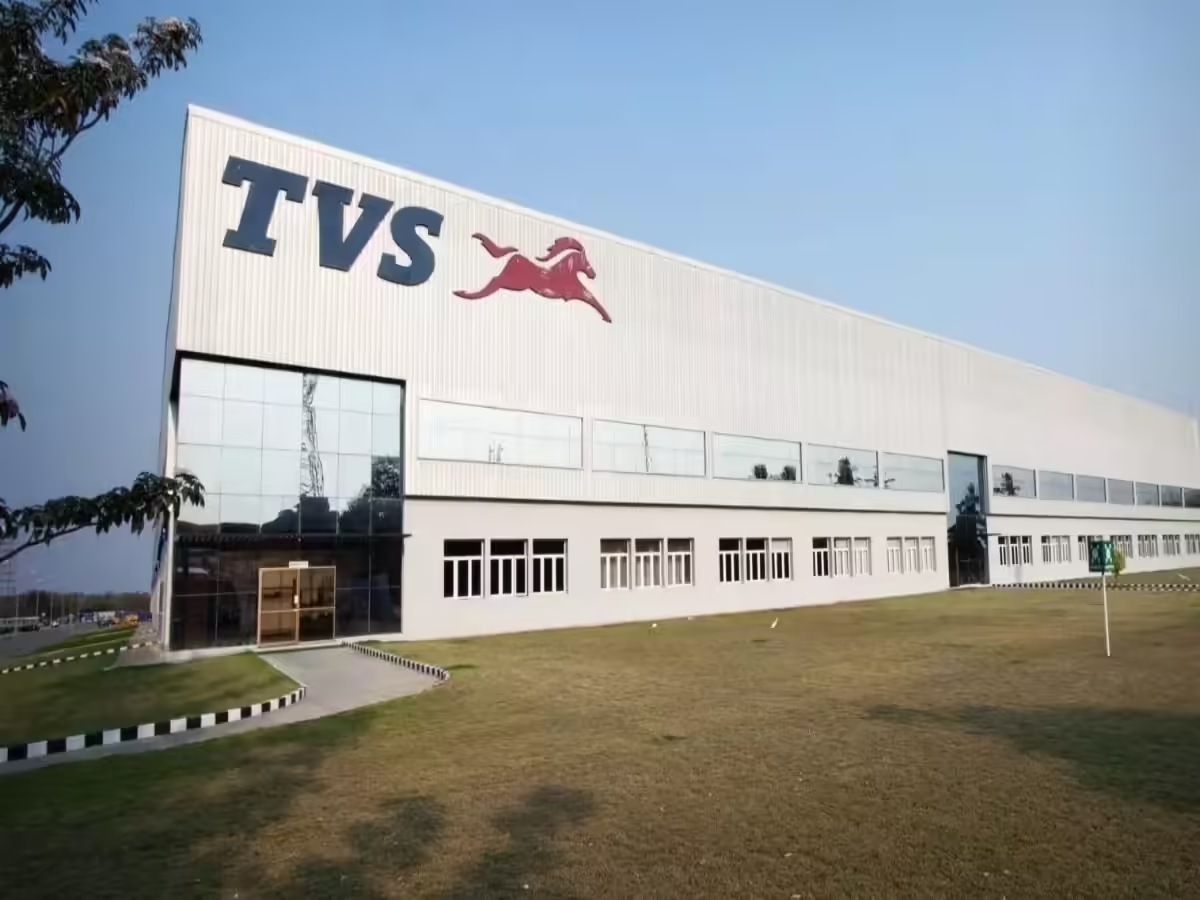
1. At a Glance – Warehousing, But Make It Boringly Profitable
TVS Infrastructure Trust is that one guy in the party who doesn’t talk much, doesn’t dance, but quietly owns the building. At a market cap of ₹2,218 crore, trading at ₹112 per unit, this InvIT is not here to impress momentum traders—it’s here to collect rent like clockwork. In the last 3 months, units are up ~7.55%, 6 months ~9.49%, while paying a distribution yield of ~1.34% (and yes, distributions just landed again).
Q3 FY26 numbers look like a textbook InvIT slide:
- Revenue: ₹61 crore
- PAT: ₹13.9 crore
- Operating Margin: ~75%
- Occupancy: 99.2% (yes, basically full)
- WALE: ~5.5 years
- Debt maturity: ~20 years
This is not growth stock adrenaline. This is annuity-style calm, backed by warehouses that Amazon, Flipkart, Nestle, TVS Supply Chain and friends refuse to vacate. The real masala? ₹830 crore of NCDs issued at 7.42%, AAA-rated, long tenure, refinancing expensive SPV debt. Translation: lower interest stress, smoother cash flows, happier unitholders.
If stability had a face, it would be a warehouse in Tamil Nadu leased for 9 years with annual escalation clauses.
2. Introduction – The Anti-Startup of Indian Markets
While startups burn cash to acquire customers, TVS Infrastructure Trust just builds a shed and waits. And somehow, the shed is always full.
TVS Infrastructure Trust operates as an Infrastructure Investment Trust (InvIT) focused on warehousing, logistics parks, and industrial premises. No fancy apps. No AI pitch decks. Just concrete, steel, and long-term leases signed by companies who actually make money.
Backed by TVS Industrial & Logistics Parks (TVS ILP)—part of the larger TVS Mobility ecosystem—the Trust is structured to do what InvITs do best:
- Own income-generating assets
- Distribute most of the cash
- Refinance debt intelligently
- Avoid drama
As of Sept 30, 2025, the Trust owns ~9.2 million square feet of operational assets across India, spread over 16 parks. Another ~1.4 msf is under development, with 48% already pre-leased, expected to be operational by March 2026.
This is not