General information and entertainment, not investment advice. The author is not a SEBI-registered adviser or research analyst. No recommendation, no promised returns. Markets carry risk including loss of capital. Figures may not be current. Consult a registered adviser before acting.
1. At a Glance
TTK Healthcare ended FY26 with revenue of ₹857 Cr, up 6.9% from ₹801 Cr in FY25—a deceleration from the 6.5% growth the prior year managed. The tension: six business segments working at cross-purposes. Consumer products bled (Woodward’s Gripe Water), protective devices thrived (Skore condoms), and an unusual spike in “Other Expenses” (₹262 Cr against ₹9.5 Cr prior year) swallowed operating leverage.
Net profit fell to ₹66 Cr from ₹82 Cr. The P&E multiple sits at 18.3x. Cash balances remain fortified at ₹927 Cr—almost entirely proceeds from the 2023 human pharma divestment, now parked in fixed deposits and earning interest income (not operating genius). ROCE slumped to 8%, lower than the company’s cost of borrowing, which isn’t usually the vibe.
One key worry: cash generation from operations turned negative. In FY26, operating cash flow was -₹21 Cr. That’s the second consecutive year of cash burn, even though the balance sheet looks pristine on paper.
Does ₹927 Cr in cash fix the ROCE problem, or is it just masking the conversation about why operations no longer generate cash?
2. Introduction
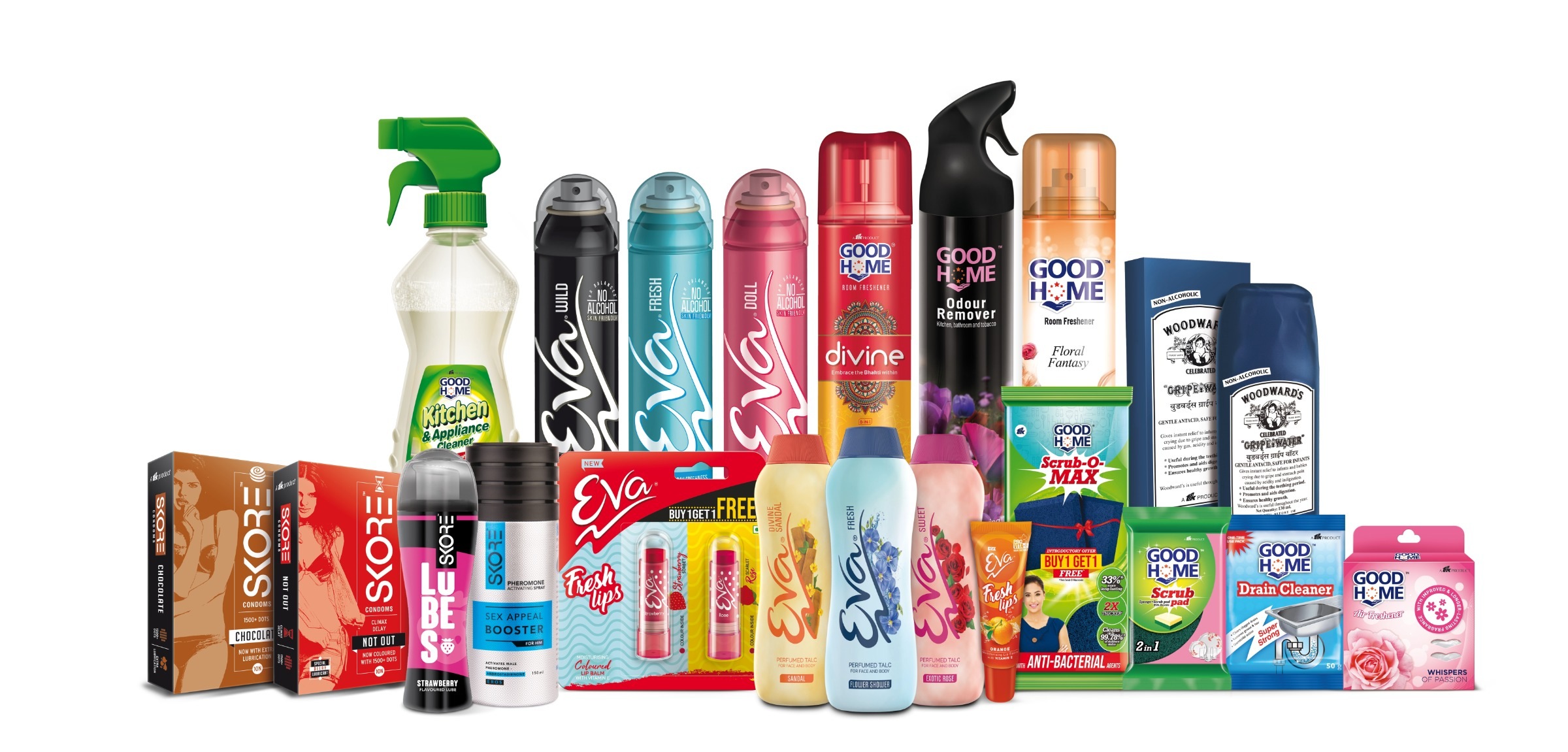
TTK Healthcare is a 150-year-old consumer and medical conglomerate part of the TT Krishnamachari group, which also owns TTK Prestige (kitchen appliances). The company operates across six segments: protective devices (condoms), consumer products (Woodward’s Gripe Water, Eva deodorants, Good Home), animal welfare, foods, medical devices, and ayurvedic preparations.
In 2023, TTK divested its human pharma division to BSV Pharma for ₹805 Cr—a move that drained the legacy business of its highest-margin cash cow. The company then invested those proceeds into fixed deposits, which now generate ₹68 Cr in annual “Other Income” (that’s not sales; that’s financial engineering).
FY26 saw two promoter deaths (T.T. Jagannathan and T.T. Venkatesh) and a customs duty fine of ₹9.93 lakh in June 2026. The USAID order cancellation from FY25 forced a ₹586 Cr write-off of male contraceptive inventory, a sunk cost that bled into the prior year.
Distribution headwinds persist: the company competes with unbranded players in condoms, faces margin pressure in casual foods, and struggles to grow Woodward’s volumes in its home southern market.
3. Business Model: WTF Do They Even Do?
Six semi-related buckets.
Male Contraceptives (26% of revenue): Skore dominates the Indian market. Volumes grew 12% in FY24 (the last period with disclosure). Competition from branded and unbranded players is intense. The USAID pivot cost the company export revenue and left inventory on the shelf. Management launched a digital-first platform (Love Depot) to own end-customers, but unit economics for e-commerce condoms remain unclear.
Foods (17%): Fryums (extruded snacks, papad). The company operates at 21,000-MT annual capacity. Capacity utilization hit 100% in Jaipur in the last disclosed quarter, suggesting upside—or equally, suggesting demand is outrunning supply and pricing may be sticky. B2B and export represent material volume. Commodity prices (palm oil, salt) swing wildly, margins are thin, and scale is modest.
Animal Welfare (16%): Veterinary feed supplements, antibiotics, enzymes. The company reaches ~9,000 vets and 900 stockists. Growth is steady but low-profile. The moat is distribution and trust, not innovation. Pricing power is limited.
Ayurvedic Preparations (12%): A catch-all category. No recent growth disclosures.
Medical Devices (11%): Two divisions. Orthopedics (joint replacements, technical collaborations with US/Germany/UK/Italy manufacturers). Heart valves (manufactures all three components in-house, 20,000-valve annual capacity). New Fixed Bearing Knee (CITIUS) launches in Q1 FY26. Growth is steady, margins are better than condoms or foods, but volumes are tiny.
Consumer Products (9% + Home Care 9%): Woodward’s Gripe Water (a market leader in infant colic, since 1928, but volumes declined sharply in FY25). Eva deodorants (5% growth). Good Home (home care, 15% growth). The company has 4 lakh outlet reach via 2,600+ distributors. But fragmented brand portfolio means scattered sell-through and high promotional spend.
The core problem: The company is a distribution juggernaut trying to be a brand company. It has reach but no single iconic asset post-pharma exit. Each segment competes on a different playing field (veterinarians vs. retail vs. hospitals vs. ecommerce), with overlapping infrastructure costs and minimal cross-elasticity. Operating leverage is not scaling—it’s diffusing.
4. Financials Overview
Figures are consolidated, in ₹ crore.
Metric
FY26
FY25
YoY Change
Revenue
857.3
801.5
+6.9%
EBITDA
66.3
61.1
+8.6%
PAT
65.7
81.7
-19.6%
EPS (₹)
46.48
57.79
-19.6%
Revenue expanded, but profit shrank. The reason: operating profit (earnings before depreciation and interest) slipped from ₹35 Cr in FY25 to ₹26 Cr in FY26. Simultaneously, Other Expenses exploded to ₹262 Cr from ₹9.5 Cr—a charge relating to labour law changes and gratuity provisioning (per the auditor’s notes, a one-time hit for wage structure realignment). Strip that out, and FY26’s normalized operating profit comes to ~₹288 Cr. That’s fictional calculation: the money left the P&L, real or not.
Q4 FY26 snapshot: Revenue ₹218 Cr (vs. ₹209 Cr in Q4 FY25); Net profit ₹22 Cr (vs. ₹11 Cr in Q3 FY26). The quarter was better than Q3, but not transformational.
From the concall or recent management commentary (none yet available): Without a call, we’re flying blind on guidance and capital allocation intent. The company has not disclosed management’s plan for the ₹927 Cr cash hoard.
5. Market Expectations & Historical Multiples
This section describes how the market is currently pricing the company and how that compares with its own history and peer group. It