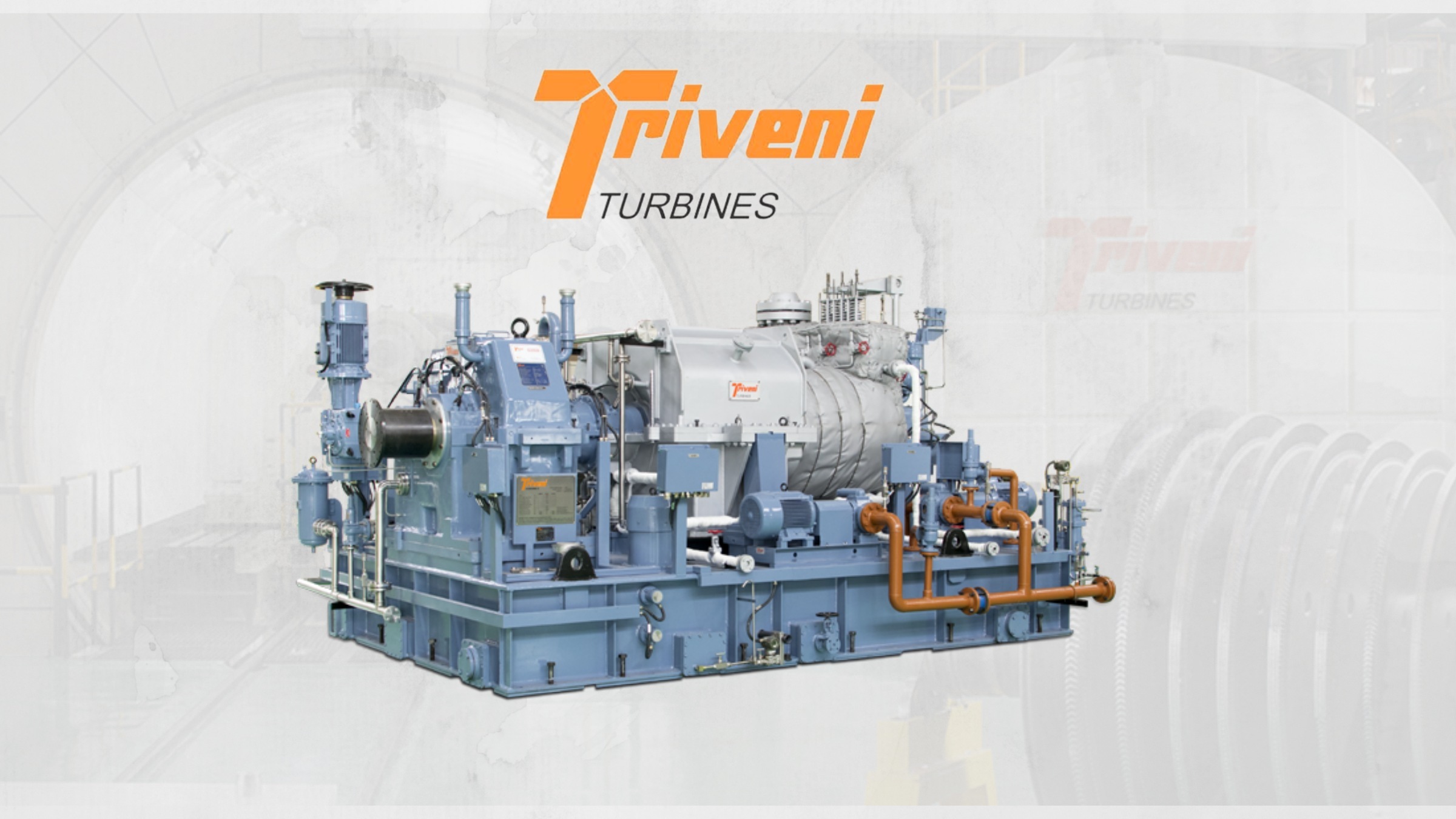
1. At a Glance – Blink and You’ll Miss the Valuation
Triveni Turbine Ltd is that rare Indian capital-goods company which quietly moved from “boring engineering supplier” to “market darling with premium multiples.” Current market cap sits at ₹17,465 crore, stock price around ₹549, and the market is valuing this steam turbine maker at ~49.5× P/E and 13.4× book value—numbers usually reserved for software companies or FMCG brands selling shampoo, not rotating metal running on steam.
The latest Q3 FY26 results (Quarterly Results, lock applied) show ₹624 crore revenue (+24% YoY) and ₹103 crore PAT (+11% YoY). Margins remain robust with OPM ~21%, while ROCE at 41.4% continues to flex like a gym bro who never skips leg day. Debt is practically decorative at ₹38 crore, interest coverage is a hilarious 188×, and dividends keep flowing (interim dividend ₹2.25/share announced).
But here’s the drama: revenue growth is fast, profit growth is slowing, debtor days have jumped, and valuation is already pricing in industrial nirvana. Is this a compounding machine… or a turbine spinning a bit too fast? Let’s open the casing.
2. Introduction – From Triveni Sugarcane to Global Steam
Triveni Turbine’s story begins as a division inside Triveni Engineering in the 1970s—yes, the same group better known for sugar and water treatment. Over decades, this engineering arm quietly mastered industrial steam turbines, and in October 2010, it was demerged into a separate listed entity. Since then, TTL has done something very Indian companies struggle with: focus.
No thermal mega-project headaches. No PSU-style EPC disasters. No vanity diversification. Just industrial steam turbines up to 100 MW, sold to factories that actually need power and heat, not political approvals. Biomass plants, cement kilns, steel units, petrochemicals, pulp & paper, waste heat recovery—basically everywhere steam is wasted, Triveni shows up with a turbine and says, “Bhai, energy waste mat karo.”
Over time, TTL added a high-margin aftermarket business and built a global export footprint across 80+ countries. Today, exports form 47% of revenue, and the company has installed 6,000+ turbines generating over 16 GW worldwide. That’s not smallcap jugaad; that’s global mid-cap engineering muscle.
But remember: markets don’t reward history. They reward expectations. And expectations here are… spicy.
3. Business Model – WTF Do They Even Do?
Imagine a factory where hot steam is being vented like pressure cooker seeti. Triveni’s job is to slap a turbine there and convert waste heat into electricity. That’s it. That’s the business. Simple in concept, insanely complex in execution.
Core Buckets:
- Industrial Steam Turbines (up to 100 MW)
Back-pressure, condensing, extraction, reheat, API-compliant—basically every flavour required by industries that run on steam. - Renewable & Transition Turbines
Biomass, Waste-to-Energy, Waste Heat Recovery, Geothermal.