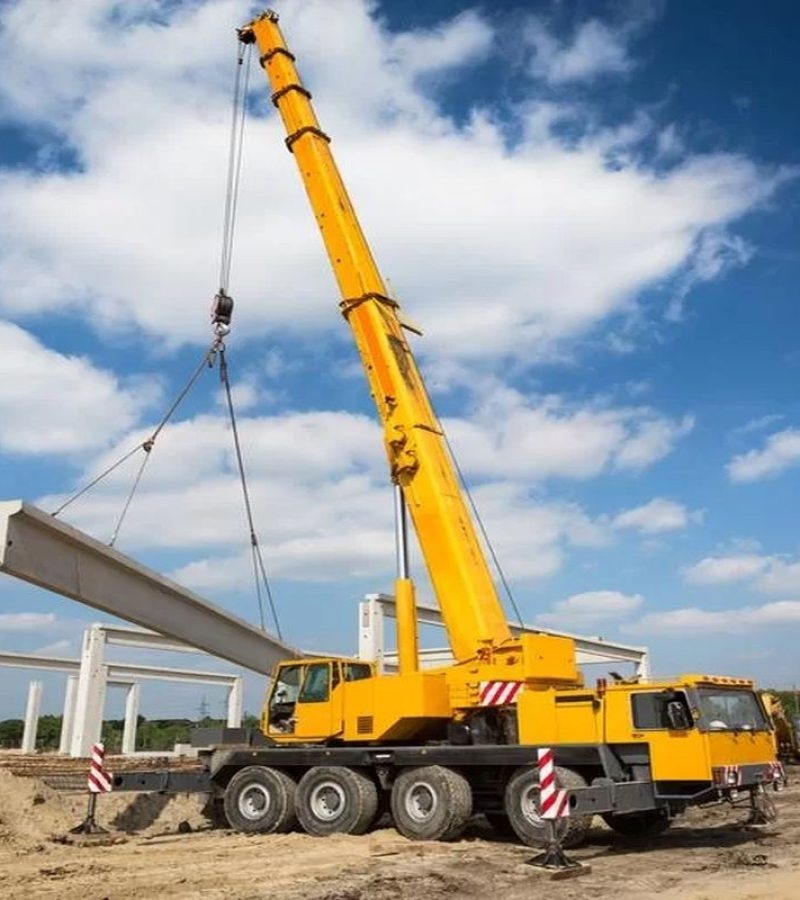
Sometimes a small company does not look small in behaviour. It looks ambitious. Sometimes it looks overambitious. The difference often decides whether you are studying the birth of a compounder… or the autopsy of a leverage story.
1. At a Glance — Something Strange Is Happening Here
Trishakti is not behaving like a sleepy microcap anymore.
Revenue rose from ₹14.99 crore in FY25 to ₹27.85 crore in FY26, up 86%. PAT more than doubled from ₹3.55 crore to ₹7.66 crore. Operating margin expanded to 56%. ROE reached 21.6%.
That is the easy part.
The harder part is what sits underneath:
- Assets exploded from ₹67.96 crore to ₹289.10 crore.
- Borrowings jumped from ₹32.9 crore to ₹85.2 crore.
- Other liabilities ballooned to ₹159 crore.
- Capex deployed allegedly crossed ₹210 crore, more than double management’s original ₹100 crore guidance.
That is not normal scaling.
That is war-footing scaling.
Question is:
Is this operating leverage kicking in… or financial leverage wearing an operating costume?
Because the story has two competing narratives.
Narrative 1: The Bull Case
Management claims:
- 100% fleet utilisation.
- ~3% gross monthly yield on assets.
- 3–3.5 year payback.
- 60-65% sustainable EBITDA margins.
- 80-85% medium-term revenue CAGR target.
If remotely true, these economics are absurdly attractive.
Most rental businesses struggle with idle assets.
Here?
They claim zero idle assets.
Most infra contractors fight brutal margins.
Here?
They claim software-like margins with cranes.
That deserves skepticism.
And attention.
Narrative 2: The Auditor Inside You Raises Eyebrows
Receivable days:
205 days.
Debt/equity:
1.9.
Current ratio:
0.37.
Other liabilities:
up almost 18x.
When liabilities grow faster than revenues, a detective reaches for a flashlight.
And perhaps coffee.
Because this is where stories can go very right.
Or very wrong.
2. Introduction — This Is Not Really a Crane Company
People may think Trishakti rents cranes.
That is technically true.
But economically?
It is trying to become an asset-yield machine.
Very different beast.
Management is essentially saying:
“Give us debt, we buy machines, machines get contracted immediately, assets pay themselves back in 3 years, then become cash cows.”
That sounds almost too elegant.
Which usually means:
Check twice.
Interesting part?
Old concall versus latest results — management actually seems to have walked the talk.
In Jan 2026 concall they said:
- Capex would exceed guidance.
- Revenue guidance would be surpassed.
- Q4 would reflect fruits of Q3 deployment.
What happened?
Exactly that.
Q4 revenue:
₹9.11 crore vs ₹2.20 crore last year.
PAT:
₹2.69 crore.
Q4 sales up 3.1x YoY.
That is not promotional fluff.
That is execution.
Rare.
Very rare in smallcaps.
But let me ask