₹366 crore market cap. ₹307 stock price. Q3 FY26 sales of ₹25.7 crore with a jaw-dropping 117% YoY growth and quarterly PAT of ₹4.64 crore growing 54% YoY. ROE sitting pretty at 20%, ROCE at 18%, and operating margins hovering around the 20–22% range like they’ve found a comfortable sofa and refuse to get up. Exports make up 59% of revenue, spread across 40 countries, while Ghana, Venezuela, Kenya, and Peru quietly do most of the heavy lifting. This is not your usual “one-molecule-one-country” pharma story. This is a passport-heavy, asset-light, paperwork-loving pharma exporter that has figured out how to sell medicines without owning too many shiny factories. The stock trades at ~19x earnings against an industry PE north of 30, which either means it’s underappreciated or the market is still squinting suspiciously. Either way, something interesting is brewing in this SME-listed lab coat.
2. Introduction – Welcome to the Export-First Pharma Circus
If Indian pharma were a Bollywood movie, Trident Lifeline would not be the superstar hero with helicopters and item numbers. It’s that hardworking character actor who appears in every second scene, does the job perfectly, and somehow ends up being more memorable. Incorporated in 2014, the company didn’t waste time chasing glamorous USFDA headlines. Instead, it went old-school global—Africa, Latin America, Asia—markets where paperwork stamina matters more than PR slides.
The company operates through own brands, loan licence manufacturing, and contract manufacturing, which in plain English means: “Why own factories when someone else can sweat for you?” Asset-light models are great until quality slips, but so far, margins suggest things are under control.
What makes Trident Lifeline interesting is not just growth, but how that growth is structured—hundreds of product registrations, dozens of countries, and a portfolio wide enough to make Excel sheets cry. The real question for readers: is this disciplined global expansion, or a registration-heavy strategy that needs constant feeding to survive? Let’s dig.
3. Business Model – WTF Do They Even Do?
Imagine a pharma company that spends more time with regulators than with bricklayers. That’s Trident Lifeline.
The Core Engine
Formulations under own brands sold across export markets
Contract manufacturing via third-party plants registered with foreign regulators
Loan licence model for flexibility and scalability
No mega capex bragging. No chest-thumping about “world-class facilities.” Instead, the company focuses on procurement control, regulatory approvals, and distribution muscle.
Product Buffet
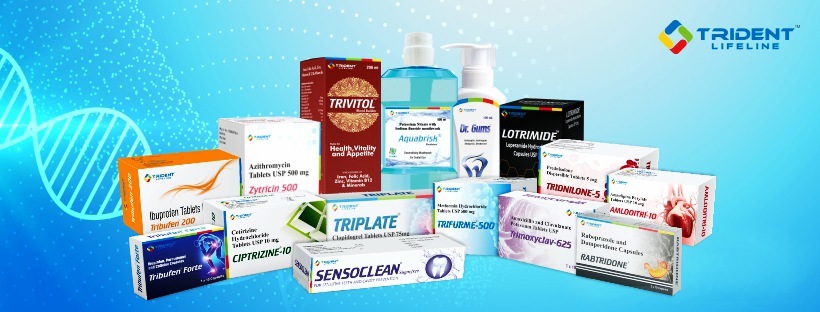
Tablets (48% of FY24 revenue) lead the party, followed by suspensions, syrups, capsules, and oral care products like toothpaste and mouthwash. Therapeutically, it’s a generic pharma thali—anti-bacterial, anti-diabetic, NSAIDs, anti-malarials, dental products, multivitamins—the works.
Value Chain Control
Procurement controlled in-house
Manufacturing outsourced to registered plants
Exports handled directly or via B2B/merchant exporters
On-ground distributors build brand recall
In short: Trident Lifeline owns the brain, not the biceps. Smart or risky? Depends on execution—and so far, margins suggest execution isn’t asleep.
4. Financials Overview – Numbers That Actually Talk Back
Result Type Lock:Quarterly Results Annualised EPS Rule Applied: Latest EPS × 4
Quarterly Performance Table (₹ Cr)
Metric
Latest Qtr (Dec 2025)
Same Qtr LY
Prev Qtr
YoY %
QoQ %
Revenue
25.71
11.83
31.34
117.3%
-18.0%
EBITDA
5.09
4.07
6.86
25.1%
-25.8%
PAT
4.64
3.01
5.09
54.1%
-8.8%
EPS (₹)
3.60
2.43
4.27
48.1%
-15.7%
Yes, QoQ dipped. No, it’s not a crime. When sales jump 117% YoY, some volatility is allowed. Annualised EPS comes to ₹14.4, roughly aligning with TTM EPS of ₹16.68 shown in consolidated numbers.