Time Technoplast is like the Swiss Army Knife of plastics—55% domestic share in industrial packaging, #2 globally in composite cylinders, and now talking hydrogen drones because why not? Q1FY25 revenue ₹1,353 Cr (+10% YoY), PAT ₹95 Cr (+20% YoY). Stock at ₹472, P/E 27x, ROCE 17%. Add a 1:1 bonus, a 250% dividend, and debt target of “zero in 2.5 years.” Basically, this polymer company is acting more futuristic than half of India’s IT sector.
2. Introduction
What do you call a company that makes plastic drums, composite LPG cylinders, MOX films, pipes, batteries, and now hydrogen-powered drones? Time Technoplast (TTL). Investors are still figuring out whether this is a serious polymer giant or a Shark Tank contestant with too many side hustles.
Founded in the 1990s, TTL has quietly built 20 plants across India and spread across 11 countries, becoming a market leader in 9 of them. It dominates boring but cash-rich segments like industrial drums, while sprinkling in sexy experiments like hydrogen cylinders and recycling plants.
Financially, it’s steady—8–9% sales growth, 18–20% profit growth, and ROCE 17%. Not flashy like Astral or Supreme Industries, but chugging along with a mix of core (plastic drums) and futuristic (hydrogen storage) bets. And with the recent AGM announcements—bonus, dividend, QIP up to ₹1,000 Cr, and an acquisition of EPPL—management clearly wants to look more like Astral 2.0 than just “drum company.”
But can TTL escape its image of “cheap packaging” and be seen as “tech-polymer leader”?
3. Business Model – WTF Do They Even Do?
TTL splits into two buckets:
Polymer Products (65% of revenue):
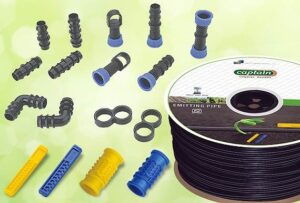
Plastic drums, jerry cans, PE pipes, turf mats, MOX films.
This is the boring but profitable bulk. Think FMCG supply chain heroes.
Composite Products (35%):
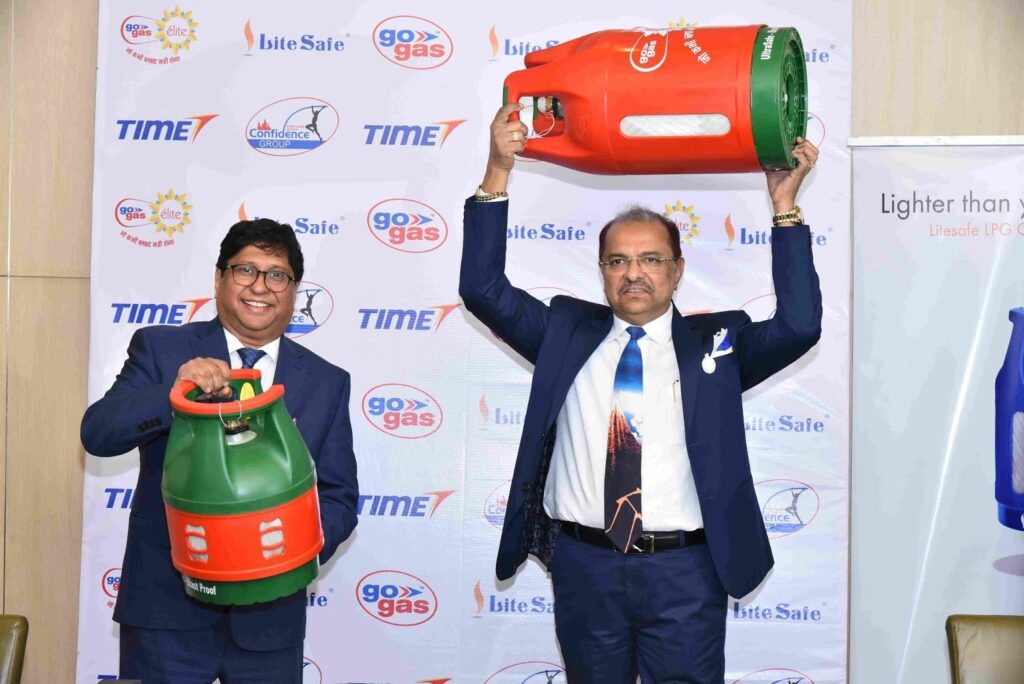
IBCs, composite cylinders (LPG, CNG, Hydrogen), auto products, batteries.