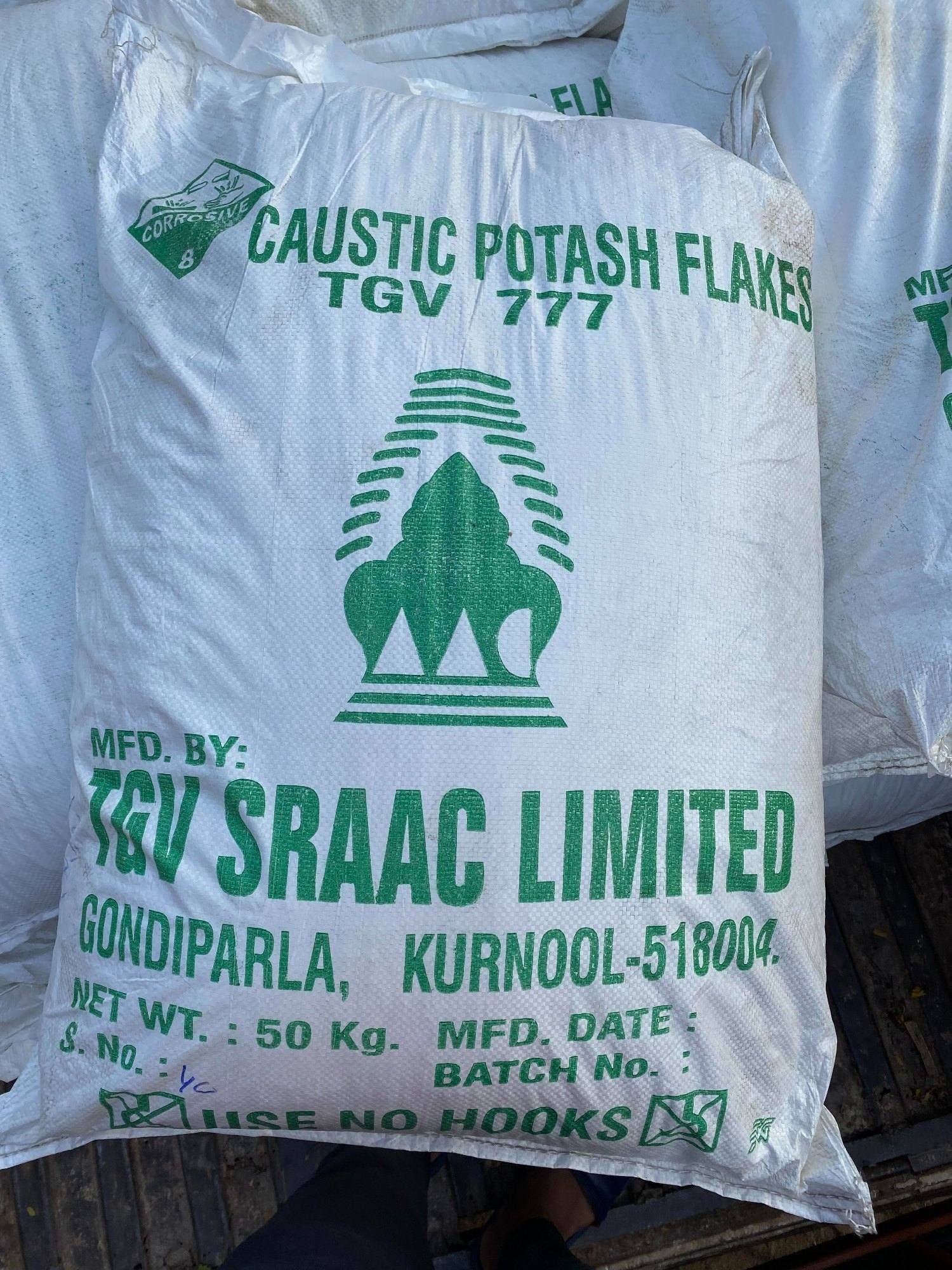
1. At a Glance – The Chlorine King with Solar Dreams and Margin Nightmares
Ladies and gentlemen, welcome to the world of TGV SRAAC, where one day you’re printing ₹362 Cr profit (FY23), and the next year you’re wondering why profits dropped faster than your gym motivation after January. This is a company that literally converts salt into money… but sometimes forgets to keep the money.
You’ve got:
- ₹1,926 Cr sales (TTM)
- ₹126 Cr PAT
- P/E of just 7.38 (basically cheaper than your local pani puri)
- Debt under control
- Solar power ambitions
- And a business so cyclical it makes Bollywood careers look stable
But here’s the real masala:
👉 Profit growth suddenly jumps 103%
👉 Stock price falls 29% in 6 months
👉 Margins swing like India vs Pakistan match
So what’s happening here?
Is this:
- A hidden chemical compounder waiting to explode?
- Or just another commodity chemical rollercoaster?
Let’s investigate like a slightly overcaffeinated forensic auditor.
2. Introduction – From Chlorine to Confusion
TGV SRAAC is not a new kid on the block. Incorporated in 1981, this company has been around long enough to see:
- License Raj
- Liberalisation
- And multiple chemical cycles ruining investor dreams
This is a classic commodity chemical company:
- Caustic soda
- Chlorine
- Chloromethanes
- Castor derivatives
Basically, if it smells like a lab and burns your nose, they probably make it.
But here’s where things get interesting:
👉 In FY23, profits were ₹362 Cr
👉 In FY24, profits collapsed to ₹61 Cr
👉 Now recovering to ₹126 Cr (TTM)
This is not a business.
This is a mood swing chart.
And yet…
- Debt is low
- Balance sheet is decent
- Capacity is expanding
So the big question:
👉 Is this recovery real or just another temporary chemical high?
3. Business Model – WTF Do They Even Do?
Let’s simplify this chemical soup.
Core Business:
They produce chlor-alkali products, which basically means:
- Take salt (NaCl)
- Add electricity
- Get caustic soda, chlorine, hydrogen
And sell it to:
- Textile companies
- Pharma
- Detergent makers
- Water treatment plants
Basically, they sell industrial essentials.
Revenue Mix:
- Chemicals = ~95%
- Oils & fats = dying side hustle
Yes, they tried soap and castor oil… but margins said:
👉 “Bhai, yeh business band karo.”
Power is EVERYTHING
Here’s the twist:
👉 Power cost = ~50% of total cost
So instead of crying about electricity bills like the rest of us…
they built:
- Solar plants
- Captive power
- Open access sourcing
Smart move.
Because in this business:
👉 Cheap power = profit
👉 Expensive