1. At a Glance – Chai Garam, Numbers Thande
Terai Tea Company Ltd, a 1973-born veteran from the Siliguri tea belt, currently sits at a market capitalisation of about ₹70.2 crore, sipping its own brew at a share price of ₹102. In the last three months, the stock has gone absolutely nowhere (-0.29%), which is honestly impressive given the kind of quarterly numbers it just served. Latest quarterly sales came in at ₹15.3 crore, down a brutal 51% YoY, while PAT slid to a loss of ₹-2.92 crore. The operating margin? A spicy -15.5%, proving once again that tea can be bitter even without sugar. ROCE limps at 3.05%, ROE at 1.34%, and the company trades at 0.43x book value — because the market clearly trusts land and tea bushes more than earnings. Debt stands at ₹34 crore, promoter holding is a solid 74.18%, and dividends remain as mythical as free Darjeeling tea at an airport lounge. This quarter’s results don’t whisper trouble — they shout it over a megaphone while slurping chai loudly.
2. Introduction – Welcome to the Tea Stall of Cycles
Terai Tea is not a startup. It’s not a turnaround story. It’s more like that old chaiwala near your house who has been there since your school days, sells decent tea, owns the shop, but somehow never upgrades to a proper café. Incorporated in 1973, the company operates tea plantations, produces CTC tea, trades agricultural commodities like jute, sugar, and yellow peas, and occasionally flirts with ideas like tea tourism and real estate joint ventures.
On paper, it owns seven tea gardens and five bought-leaf factories with a combined capacity of 15 million kg of made tea annually. In reality, profits have been as seasonal as the monsoon. Some years they smile, some years they sulk, and in FY25–TTM they straight-up cry with a PAT of ₹-2.41 crore.
The stock price history shows modest long-term returns (5-year CAGR ~16%), but recent one-year returns are a painful -45%. So the question every investor is quietly asking while stirring their cup: is this just another bad tea season, or has the kettle cracked?
3. Business Model – WTF Do They Even Do?
At its core, Terai Tea does three things:
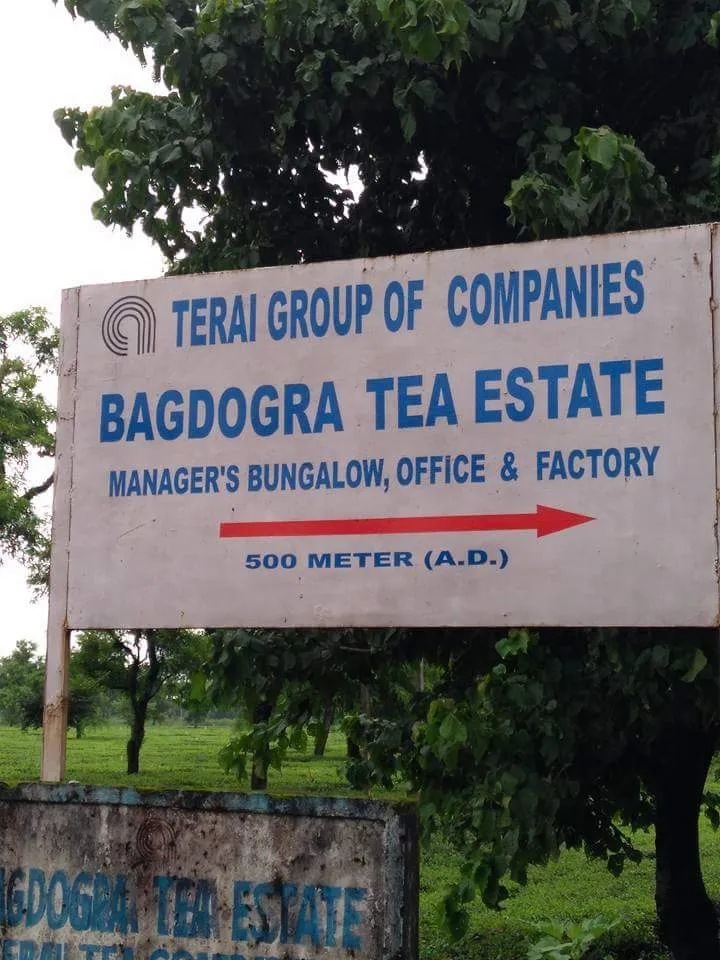
First, it grows tea. Actual tea bushes, on actual land, in Siliguri. Bagdogra Tea Estate alone spans over 687 acres and produces roughly 25 lakh kg of tea annually using both own leaves and bought leaves. This is the most “real” part of the business — soil, rain, labour, and leaf.
Second, it processes tea. Through multiple CTC factories like Terai Tea Factory Unit, Adhikari Tea Factory Unit, and Karjeepara Tea Factory Unit (which was sold in 2020 for ₹7.85 crore), the company converts green leaf into made tea. Bought-leaf factories help scale volumes but compress margins because, surprise, buying raw material costs money.
Third, it trades agri-commodities. Jute, sugar, yellow peas — basically whatever moves in bulk and can be exported, especially to Bangladesh and Middle East markets via its government-recognised Export House unit.
Then there are side quests: a proposed tea tourism project on 5 acres at Bagdogra (awaiting state approval) and a joint venture real estate project in Siliguri where Terai contributes 33% land share. These are interesting, but currently they’re more PowerPoint than profit. So the core earnings still depend on tea prices, weather, and cost discipline — three things notoriously allergic to stability.
4. Financials Overview – Quarterly Reality Slap
Result Type Lock: Latest