TARC Ltd Q1 FY26 (FY25) – Luxury Real Estate With Negative ROE, Bain’s Bailout & Forensic Auditors Camping In Their Balance Sheet
Date of Publishing -
Spotted a factual error — a wrong number, date, or fact? Tell us and we will check the source.
1. At a Glance
Welcome to the circus called TARC Ltd — once Anant Raj Global, now trying to rebrand itself as Delhi’s Louis Vuitton of apartments. Market cap? ₹4,926 Cr. Current price? ₹167. In the last 3 months, the stock is down 15% (because Delhi heat isn’t the only thing melting). ROE: –20%. ROCE: –4.8%. Debt: ₹1,954 Cr. EPS? A solid –₹4.96. Yes, the only thing going up here faster than flat prices is the auditor’s blood pressure.
2. Introduction
Imagine a real estate developer in Delhi who holds 500 acres of prime land but still manages to post losses big enough to make startups look profitable. That’s TARC for you.
They’ve done the usual rebrand trick — Anant Raj Global became TARC in 2021. (Because if you can’t fix your numbers, at least fix your name. Classic Indian jugaad.)
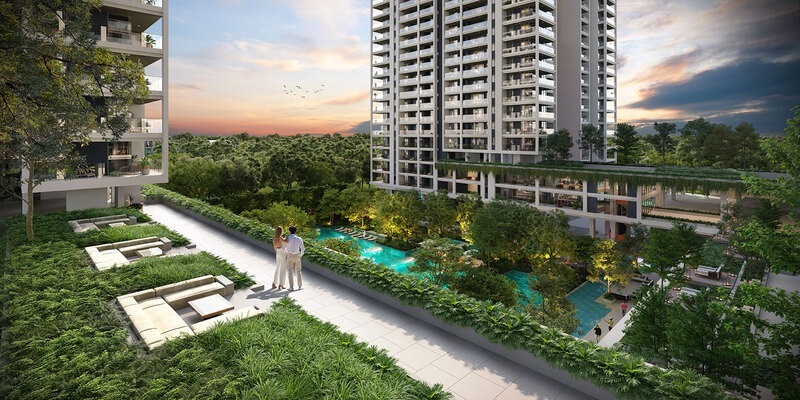
On the surface, it’s all champagne, infinity pools, and “luxury residential projects.” Dig deeper, and you’ll find forensic auditors poking through receipts, Bain Capital trying to collect NCD coupons, and a presales target of ₹5,000 Cr for FY25 that’s more ambitious than Baba Ramdev promising six-pack abs with aloe vera juice.
Delhi’s real estate is anyway a game of patience — half builder, half politician, full-time magician. And TARC is currently performing the disappearing cash flow trick.
3. Business Model – WTF Do They Even Do?
TARC builds luxury residential projects in New Delhi and Gurugram. Think big clubhouses, imported marble, and brochures with more English than actual floorplans.
Projects in the limelight:
Kailasa: A ₹4,000 Cr GDV monster in New Delhi. Phase I sold out, Phase II is coming. (Apparently, Delhiites don’t read balance sheets.)
Tripundra: 3 acres of “international design,” 75% price appreciation since launch. Handovers FY25.
63A, Gurugram: 1.4 mn sq ft, ₹2,600 Cr GDV. Launched late because, well, permits don’t respect your PowerPoint timelines.
They also sit on 500 acres of land bank across Delhi, Haryana, and UP. Which sounds sexy until you realize land is just paper wealth until someone actually builds something.
In short: they collect land, launch luxury projects, borrow from Bain, and hope buyers arrive before lenders do.