Tainwala Chemicals & Plastics FY26: ₹13.23 Crore Other Income Carrying a ₹17.83 Crore Topline
Section 1 — At a Glance
Tainwala Chemicals & Plastics (India) Ltd presents a highly unusual financial structure, where non-operating income frequently determines the company’s ultimate bottom-line viability. For the financial year ended March 31, 2026, the company reported total annual sales of ₹17.83 crore, a modest increase from the ₹16.42 crore recorded in FY25. However, the defining characteristic of this fiscal period is the massive influx of Other Income, which reached ₹13.23 crore, up from ₹5.40 crore in the preceding year. This non-operating revenue accounts for nearly the entire profit before tax of ₹13.33 crore.
While core manufacturing activities remain small and highly volatile, investor attention is continuously drawn to the company’s vast asset allocations. Total assets expanded significantly to ₹187.50 crore in FY26, driven almost entirely by an investment book that swelled to ₹181.42 crore. This means that roughly 96% of the corporate balance sheet is deployed in investments rather than operational fixed assets, effectively turning the manufacturing entity into an investment vehicle.
Worry signals emerge from the extreme quarterly fluctuations in the core business. For instance, in the final quarter of FY26, sales plummeted to ₹1.33 crore while operating expenses stood at ₹2.83 crore, resulting in a stark quarterly operating loss of ₹1.50 crore. When a business relies on non-operational windfalls to mask structural manufacturing deficits, its underlying earnings quality demands intense scrutiny. True capital efficiency cannot be measured by passive treasury gains when the primary factory engine frequently runs in reverse.
Section 2 — Introduction
Tainwala Chemicals & Plastics (India) Ltd (TCPL), incorporated in 1985, operates out of a corporate twilight zone where its nominal identity conflicts with its actual financial reality. Nominally classified as an industrial plastic manufacturing company, its primary activity over recent years has increasingly looked like managing its own hefty treasury book. With a market capitalization of ₹193.61 crore and a current market price of ₹201.33, the company hovers firmly in the micro-cap territory. Over the decades, management has established technical tie-ups with global players like Cincinnati Milacron in Austria and Amut Spa in Italy to build out its plastic sheet extrusion pipeline. Yet, despite decades in the business and an established brand presence, the physical manufacturing footprint has remained remarkably microscopic, while the investment portfolio has enjoyed all the structural growth.
Section 3 — Business Model: WTF Do They Even Do?
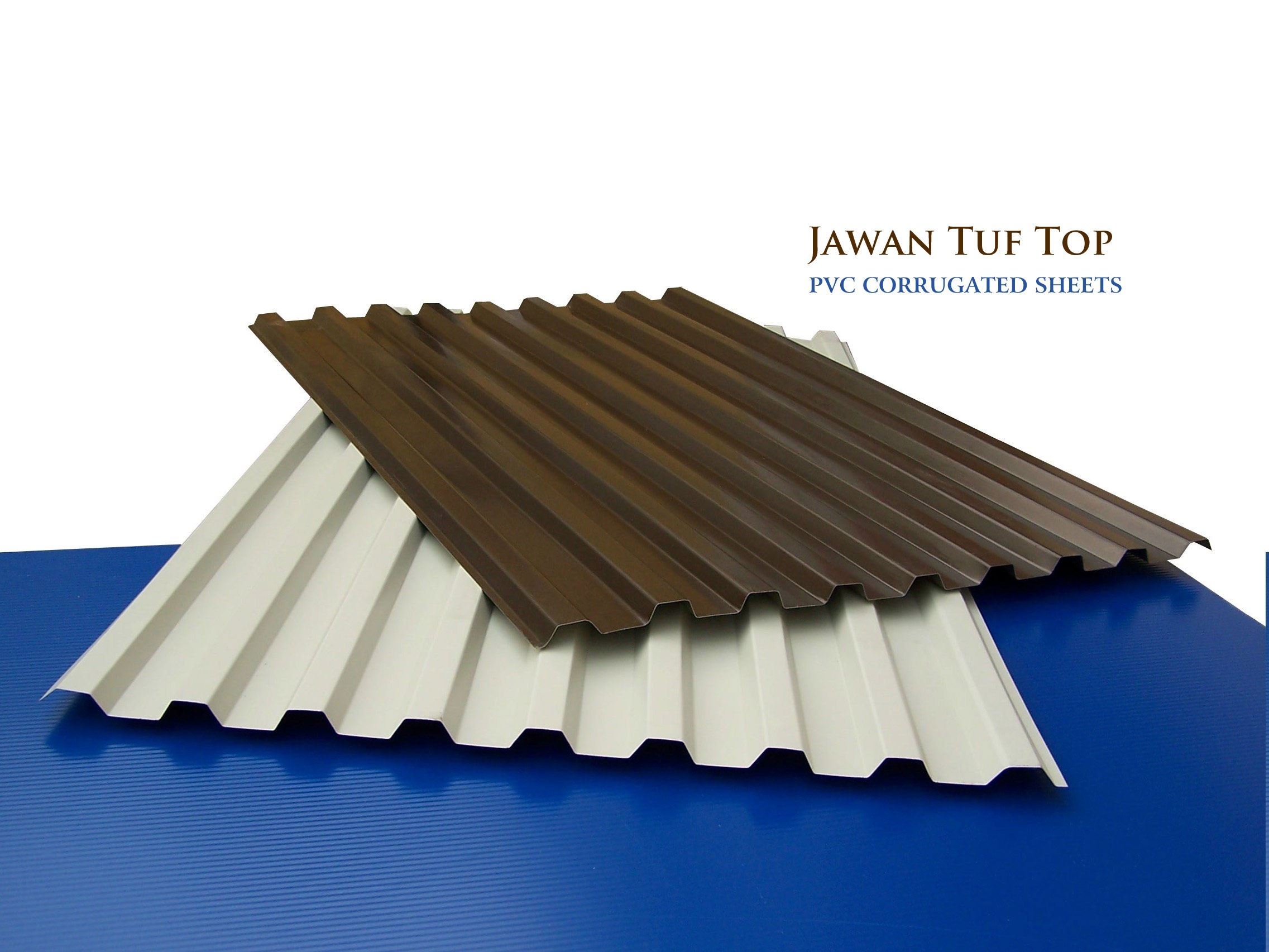
On paper, TCPL manufactures extruded plastic sheets across a variety of polymers including PVC, Polypropylene (PP), HDPE, and ABS, with thicknesses ranging from 0.5 mm to 30 mm. Its product portfolio boasts branded offerings like “Tainclear” rigid sheets, “Tainflex” flexible sheets, and “Jawan Tuf Top” corrugated sheets, targeted at heavyweights like L&T, Reliance, BHEL, and Tata Motors for industrial fabrication and chemical tank linings.
If that sounds like a bustling manufacturing operation, a glance at the historical revenue mix breaks the illusion. According to historical segment disclosures, trading in commodity items and shares has often consumed up to 62% of total segment revenue, leaving the core plastic sheet business at a minority 38% share. Even within its sales mix, a massive chunk is generated from selling generic “tradable items” and harvesting equity dividends. TCPL is less of an industrial powerhouse and more of a family investment office that happens to operate a plastic extrusion machine in the back corner of the warehouse.
Section 4 — Financials Overview
Figures are consolidated, in ₹ crore.
Metric
Latest Quarter (Mar 2026)
YoY
QoQ
Revenue
1.33
-74.95%
-86.81%
EBITDA / Operating Profit
-1.50
-1150.00%
-189.29%
PAT
0.71
29.09%
-79.06%
EPS (₹)
0.76
28.81%
-79.01%
The quarterly numbers resemble an amusement park roller coaster that has jumped off its tracks. Sales of ₹1.33 crore in March 2026 represent a brutal 74.95% collapse compared to the ₹5.31 crore recorded in March 2025. Because manufacturing fixed costs refuse to disappear just because