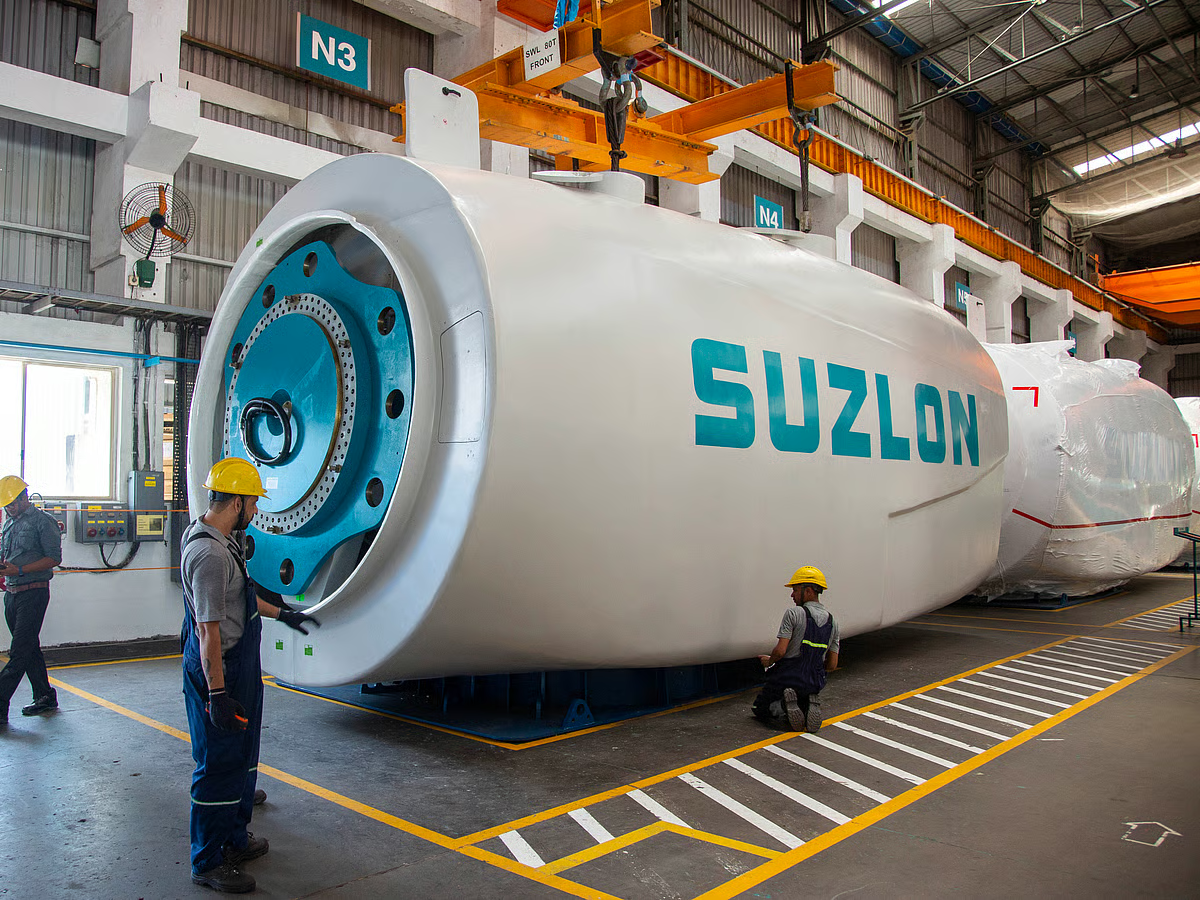
Suzlon Energy: ₹85,777 Cr Market Cap, 20+ GW Installed — From Debt Trap to Wind Whisperer
1. At a Glance
Suzlon Energy is the ex-comeback kid of India’s renewable sector — once drowning in debt like a soap opera character, now strutting around with 20+ GW wind power installed across 17 countries. Q1 FY26 brought in ₹3,117 Cr revenue and ₹599 Cr EBITDA, proving they can still make money even when the CFO walks out mid-scene. The promoters have been trimming stakes (now 11.75%) while FIIs have muscled in to 23%, meaning Wall Street loves their turbines more than some Indian investors do.
2. Introduction
Back in the mid-2000s, Suzlon was the poster child of Indian clean energy, raising billions and installing wind farms faster than you could say “carbon credits.” Then came debt, lawsuits, failed overseas bets, and the kind of financial statements that gave auditors migraines.
Fast-forward to FY25–26, and Suzlon has pulled off a resurrection act that’d make Lazarus jealous. They’ve slashed debt to almost nothing, improved margins, and turned their global footprint into actual profits. Their turbines now spin not just in Indian states but also in Europe, the US, and Australia, while their stock spins in the market like a cricket ball in Ashwin’s hands — unpredictable, sometimes glorious, sometimes just hitting the dirt.
This quarter’s numbers suggest the turnaround story still has legs, but the high P/E (41x) means you’re paying Bollywood star rates for a company that once couldn’t afford an interval snack.
3. Business Model (WTF Do They Even Do?)
Suzlon is vertically integrated — they design, manufacture, install, and maintain wind turbine generators (WTGs). This means they don’t just ship you the blades and wish you luck; they’ll set up the whole wind farm, wire it into the grid, and babysit it for decades under O&M contracts.
Core Offerings:
Manufacturing: Rotor blades, towers, generators, nacelles — all in-house.
Project Execution: From site assessment to power evacuation.
Global Reach: Installed capacity in 17 countries, 111+ wind farms in India alone.
Revenue mix is skewed toward EPC/project execution and component sales, with O&M adding a stable annuity-like layer. The vertical integration gives margin control, but also means they carry the execution risk if projects run late or over budget.
4. Financials Overview
Let’s slice the FY25–26 numbers like an overcooked birthday cake: