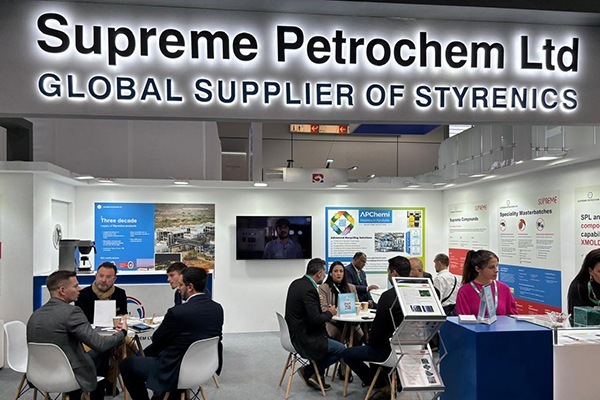
In the opaque world of petrochemicals, a certain domestic titan is quietly commanding a massive 50% market share in the Polystyrene and Expanded Polystyrene segments. While the broader market frets over volatile raw material costs, this debt-free powerhouse is catching eyes with a massive jump in quarterly profitability. We are looking at a business that just reported a staggering 59.2% variance in quarterly profit, despite a backdrop of geopolitical tensions and fluctuating input prices. It’s the kind of performance that makes investors lean in, wondering how a “commodity” player manages to keep its balance sheet so clean while its competitors are drowning in debt.
The numbers are telling a story of resilience that most mid-cap companies only dream of. With an investable surplus of INR 700 crores and zero debt, this company is essentially playing the market with its own house money. But don’t let the shiny surface fool you; there are technical snags and supply chain gremlins lurking in the shadows that could turn the next few quarters into a high-stakes poker game.
Keep reading, because the way they are navigating the “Strait of Hormuz” drama is where the real story begins.
At a Glance
- Net Profit up 59.2%: Management claims it’s efficiency; we suspect a dash of inventory magic and “strong seasonal demand” helped.
- Revenue up 3.12%: A modest uptick in sales, mostly because higher prices acted as a natural hedge against flat volume growth.
- EBITDA Margin at 15.9%: Up from the previous year, proving that passing costs to customers is an art form they’ve mastered.
- Debt at ₹126 Cr: Practically a rounding error for a company with a ₹14,240 Cr market cap; they’re basically their own bank.
- Stock Reaction (30 Apr): Down 2.23% as investors realized that 59% profit growth doesn’t mean the “West Asia” headache is over.
- Sales Volume Growth 2%: For the full year, it was a “blink and you’ll miss it” increase, held back by a sluggish non-OEM market.
Management’s Key Commentary
- “The performance during the quarter was driven by higher volumes and better spreads.” (Translation: We sold a bit more and charged a lot more, and the gap was pure profit. 😏)
- “Styrene monomer prices rose from around $1,000 per ton prior to the conflict to a peak of approximately $1,650 per ton.” (Translation: Our raw material costs went on a rollercoaster ride without a safety bar.)
- “Manufacturing operations of the mass ABS plant have restarted with modified arrangements… at around 65% of the design capacity.” (Translation: Our brand-new plant broke, and we’re currently using duct tape and a prayer to keep it running at two-thirds speed.)
- “Demand from OEM segments remained healthy… while non-OEM segments witnessed some softness.” (Translation: The big guys are still buying, but the small shops are terrified