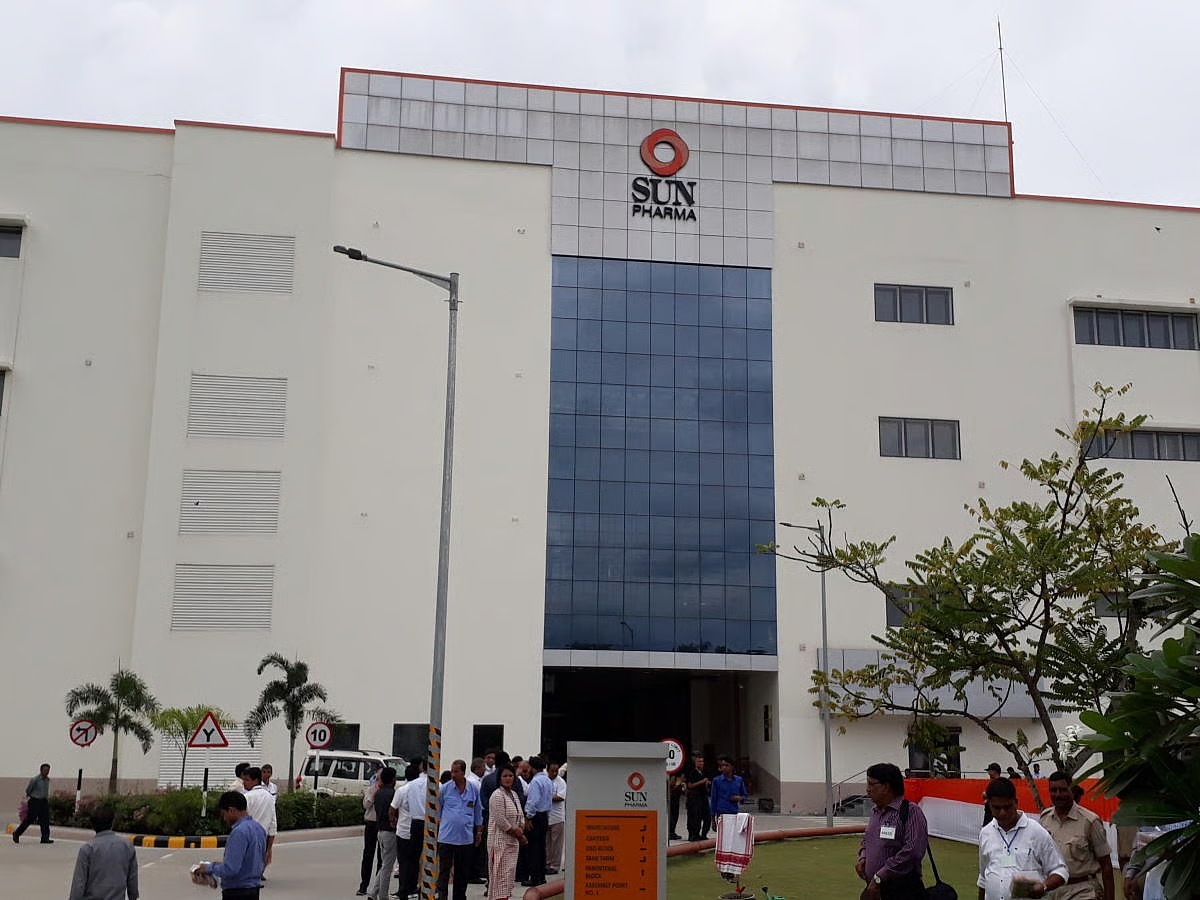
Sun Pharma Advanced Research Company Ltd Q3 FY26 — ₹4,584 Cr Market Cap, ₹270 Cr TTM Loss, Yet FDA PRV in Pocket: Science, Cash Burn & the Art of Waiting
1. At a Glance
Sun Pharma Advanced Research Company Ltd (SPARC) is that rare Indian listed creature which proudly loses money for a living — and investors clap politely, because science. At a market cap of ₹4,584 crore and a stock price hovering around ₹141, SPARC is not selling medicines; it’s selling hope with peer-reviewed footnotes.
Quarterly sales stand at ₹8.45 crore, quarterly PAT loss at ₹68.2 crore, and trailing twelve-month losses at ₹270 crore. ROCE? A majestic –298%, which deserves a standing ovation in negative territory. And yet, promoters still hold 65.7%, founders are still writing cheques, and the US FDA just handed SPARC a Rare Pediatric Disease Priority Review Voucher (PRV) for Sezaby in February 2026.
This is not a normal pharma company. This is a biotech moonshot wearing an Indian ticker symbol. If you came looking for EBITDA margins, please exit through the Cipla gate. If you came for pipelines, patents, and clinical timelines that stretch longer than Indian weddings — welcome home.
2. Introduction – Welcome to the Valley of Cash Burn
SPARC is what happens when a pharmaceutical group decides to separate science from sales and let one entity suffer nobly so the other can print money. Born as Sun Pharma’s innovation engine, SPARC exists to do one thing: discover, develop, and license drugs, preferably to someone else who will actually manufacture and sell them.
Since inception, SPARC has behaved exactly like a clinical-stage biotech should:
Minimal revenue
Massive R&D spend
Long development cycles
And financial statements that make traditional investors uncomfortable
Sales have declined at –1.35% CAGR over five years, profits are consistently negative, and book value is a proud ₹ –10.8 per share. If this were a marriage, relatives would be whispering. But this is biotech — and biotech runs on probability, not P&L.
The real question isn’t why is SPARC loss-making? It’s how long can it afford to be?
3. Business Model – WTF Do They Even Do?
SPARC does not manufacture pills. It manufactures molecules, data, and PowerPoint slides that make Big Pharma lean forward.
Revenue Sources (aka survival income):
Licensing fees & royalties
R&D services
Occasional NDA approvals that unlock non-linear value
The Sezaby NDA approval in FY23 was a milestone — not because of blockbuster sales, but because it triggered the Rare Pediatric Disease PRV, a regulatory golden ticket that can be sold or used.
SPARC’s job is to:
Discover a molecule
De-risk it clinically
Partner or license it
Hand it off before commercial burn begins
Think of SPARC as a biotech incubator that charges rent in milestones.
4. Financials Overview – Quarterly Reality Check
Financial Comparison Table (₹ crore)
Metric
Latest Qtr (Dec FY26)
YoY Qtr (Dec FY25)
Prev Qtr (Sep FY26)
YoY %
QoQ %
Revenue
8
15
8
–43%
0%
EBITDA
–57
–74
–66
+23%
+14%
PAT
–81
–80
–76
–1%
–7%
EPS (₹)
–2.48
–2.46
–2.34
–1%
–6%
Annualised EPS (Q3 rule does not apply — avoid single quarter ×4).
Translation: losses are stabilising, not improving. Burn rate is slowing, but the fire is still very much on.
Reader question: If losses stop worsening, does that count as progress?
5. Valuation Discussion – How Do You Value a Company with No Earnings?
Welcome to biotech valuation hell.
Method 1: P/E
Not applicable. EPS is negative and emotionally unavailable.
Method 2: EV/EBITDA
EV ≈ ₹5,000 crore EBITDA = negative Result = philosophical debate, not valuation.
Method 3: DCF (Pipeline-based, probability weighted)
DCF here depends on:
Probability of clinical success
Licensing timelines
PRV monetisation
Partner appetite
Given the uncertainty, valuation becomes range-based storytelling, not arithmetic.
Indicative Fair Value Range (Educational Only):
₹110 – ₹190
This fair value range is for educational purposes only and is not investment advice.
6. What’s Cooking – News, Triggers & Drama
Let’s talk catalysts — because SPARC survives on them.
🔥 Big Ones:
FDA granted Rare Pediatric Disease PRV for Sezaby (Feb 2026)