1. At a Glance – The Bolt That Almost Snapped
There are two types of companies in India:
- Ones quietly compounding wealth
- Ones loudly announcing EV dreams while their core business quietly pays the bills
Sterling Tools looks like it accidentally became both.
On one side, you’ve got a boring, predictable, cash-generating fastener business — the kind that tightens bolts in your car and your portfolio stability. On the other side, you’ve got an ambitious EV subsidiary that promised to ride the electric wave… and then got slapped by reality harder than a Zomato delivery delay during rain.
Let’s talk numbers first — because numbers don’t lie, they just quietly scream.
- Revenue (Q3 FY26): ₹208.7 Cr → down 20.5% YoY
- PAT: ₹1.6 Cr → down 88.5% YoY
- EPS: ₹0.43 vs ₹3.78 last year
- Margins? Evaporating like Mumbai water after BMC repairs
And the reason? Not some global crisis. Not some black swan.
Just one customer saying: “Bhai, we’ll make it ourselves now.”
Yes — the EV subsidiary lost business because its biggest customer (Ola) decided to insource MCU production.
Imagine building a startup, raising capital, scaling operations… and then your main customer says:
“Thanks, but I’ll DIY now.”
Brutal.
But here’s the twist — while the EV segment is struggling, the core fastener business is still quietly making money, growing margins, and acting like the responsible elder sibling.
So now the real question:
👉 Is Sterling Tools a hidden turnaround story?
👉 Or is it an EV overconfidence case study in disguise?
Let’s dig deeper.
2. Introduction – The Identity Crisis of a Bolt Maker
Sterling Tools started life in 1979 doing what it does best: making fasteners. Bolts, nuts, screws — the unsung heroes of every automobile.
Nobody ever brags about fasteners.
But remove them, and your car becomes modern art.
For decades, Sterling did exactly that — supplying to OEMs like Maruti, Tata, Ashok Leyland. Stable, predictable, cash-generating business. Not sexy, but reliable.
Then came the EV wave.
Suddenly every auto component company had a midlife crisis:
“Why make boring bolts when we can make futuristic EV stuff?”
Sterling Tools also jumped in.
- Created EV subsidiary (SGEM)
- Started making MCUs (Motor Control Units)
- Signed tech partnerships
- Talked about magnet-free motors
- Entered power electronics
Basically, they went from “hardware store uncle” to “AI startup founder energy.”
And initially, it worked.
EV segment grew fast. Contribution reached ~37% of revenue in FY25
Everything looked perfect… until it didn’t.
Then came FY26.
- Ola insourced production
- EV revenue collapsed
- Margins got crushed
And suddenly, the “future growth engine” became the “profit destroyer.”
Now Sterling is stuck in a classic Indian corporate dilemma:
👉 Stick to boring but stable fasteners?
👉 Or chase high-growth but unpredictable EV dreams?
Let me ask you:
Would you trust a company that is still figuring out what it wants to be?
3. Business Model – WTF Do They Even Do?
Let’s simplify this chaos.
1. Core Business – Fasteners (The Salary Account)
This is the OG business.
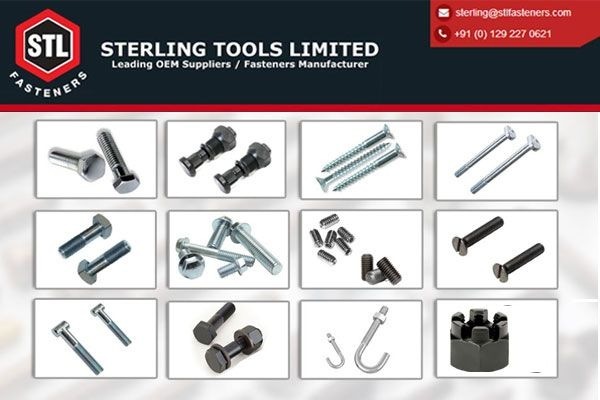
They manufacture:
- Engine bolts
- Axle bolts
- Wheel bolts
- Special fasteners
Customers:
- Maruti Suzuki
- Tata Motors
- Hero
- Volvo
- Cummins
Basically, if it