1. At a Glance – The Buffet Looks Fancy, But Is It Filling?
Imagine walking into a lavish restaurant. Dim lighting. Fancy menu. ₹1,500 for fried rice. You feel rich… until the bill comes and you realise you’re still broke.
That, dear reader, is Speciality Restaurants Ltd .
Here’s the paradox:
₹128 Cr quarterly revenue (record quarter, management flexing hard)
EBITDA margins flirting with 22%
Cash reserves ~₹160 Cr+
Debt almost non-existent (a unicorn in Indian smallcaps)
Sounds like a dream, right?
Then reality slaps harder than a Zomato delivery boy in peak surge pricing:
ROE: 5.48%
ROCE: 7.97%
Stock down ~30% in 1 year
Same store sales growth? “Stable” (translation: not growing, just surviving)
So what’s going on?
You have a company that sells premium experiences… but delivers mid-tier returns.
You have brands like Mainland China and Asia Kitchen printing ~50% of revenue… but also creating dependency risk.
You have expansion plans, QSR dreams, international ambitions… but also GST notices, penalties, and management exits.
And then there’s the biggest mystery:If this business is so asset-light and profitable… why is return on capital still behaving like a PSU bank FD?
Stay with me. This is not just a restaurant business analysis.case study in how glamour can hide mediocrity .
2. Introduction – India’s Dining Drama, Served Hot
Let’s set the stage.
India’s restaurant industry is basically a Bollywood movie:
Hero: QSR chains (Domino’s, McD)
Villain: High rent + low margins
Side character: Fine dining trying to stay relevant
Audience: Millennials ordering from Swiggy at 2 AM
Now enters Speciality Restaurants.
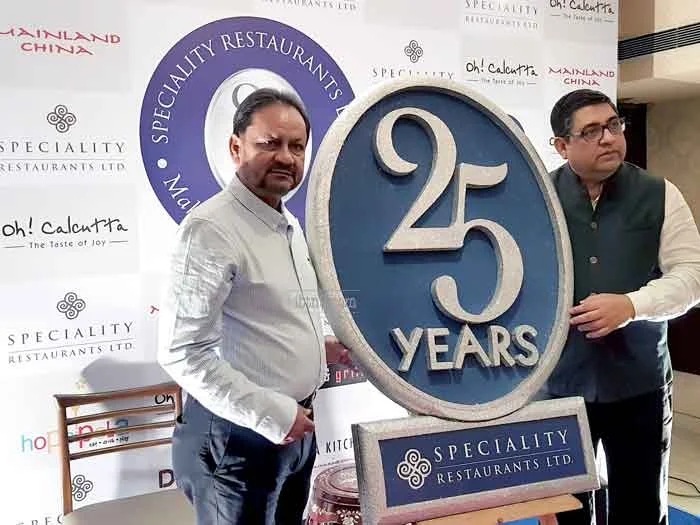
Founded by Anjan Chatterjee, this company built a cult following through brands like:
Mainland China
Oh! Calcutta
Asia Kitchen
These aren’t your roadside momo stalls. These are:
Anniversary dinner venues
Office party spots
“Let’s pretend we’re rich tonight” places
But here’s the problem.
The world changed.
Pre-COVID:
Dining out = experience
Dining out = optional
Delivery = default
And Speciality Restaurants had to adapt quickly.
According to management:
Delivery jumped from 5–6% to 24%
Consumer behaviour permanently shifted
“Binge watching + food delivery = new India”
So now they’re stuck between two worlds:
Fine dining (high cost, high experience)
Delivery/QSR (low cost, high volume)
And like any confused Indian engineering student…they are trying to do both.
3. Business Model – WTF Do They Even Do?
Let’s simplify.
Speciality Restaurants is basically:A multi-brand food empire trying to sell you different vibes depending on your mood and wallet.
Revenue Model:
Dine-in (76%) Delivery (24%) Franchise royalties (international)
Brand Strategy (aka “Menu Diversification”)
Mainland China → Flagship cash cow
Asia Kitchen → Casual, younger audience
Oh! Calcutta → Heritage nostalgia
Sweet Bengal → Desserts & sweets
Episode One / Hoppipola → Youth + bar culture
Top 2 brands = ~50% revenueIf Mainland China sneezes, the entire company catches cold.
Format Strategy
They are moving toward:
Smaller outlets
Lower capex
Mall-based locations
Management literally said:
“Smaller the place, less the staff, lesser the capex”
Translation:
International Model (Smart Move Alert)
Dubai, Oman, London via franchise
Revenue share ~6%
Zero capex
This is genius:
No risk
Free money
Global branding
Now ask yourself:Why not scale this faster instead of opening expensive Indian outlets?
4. Financials Overview – Looks Tasty, But Chew Carefully
Quarterly Performance (₹ Crore)
Metric Latest Q3 FY26 Q3 FY25 Q2 FY26 YoY % QoQ % Revenue 128.7 119.4 109.8 +7.8% +17.2% EBITDA 28.4 25.5 19.2 +11.3% +48% PAT 8.67 9.11 4.76 -4.8% +82% EPS (₹) 1.80 1.89 0.99 -4.7% +81%
EPS Annualisation (Quarterly Rule)
Q3 EPS:
Q1: 1.18
Q2: 0.99
Q3: 1.80
Average =