1. At a Glance
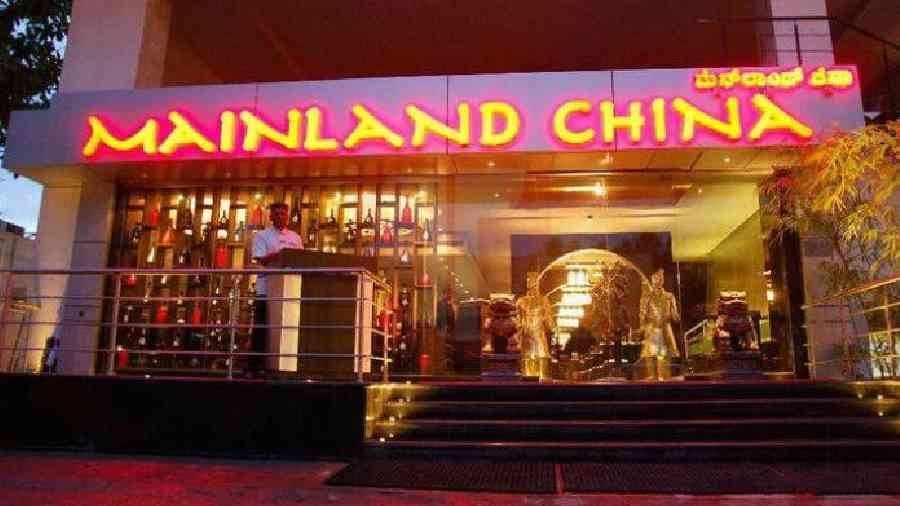
If restaurants had personalities, Speciality Restaurants Ltd (SRL) would be that flamboyant Bengali uncle who runs ten different eateries, cracks dad jokes mid-meal, and still insists “mainland China tastes better in Kolkata.” Incorporated in 1999 and now strutting across India’s top cities, SRL owns iconic brands like Mainland China, Oh! Calcutta, Sigree, Sweet Bengal, and even the hip Episode One. With a market cap of ₹606 crore, the stock currently trades at ₹126, roughly 24% below its 52-week high of ₹166 — clearly, not everyone’s ordering seconds yet.
The company’s Q2 FY26 (Sep 2025) revenue stood at ₹109.76 crore, a 12.07% YoY rise, while PAT clocked in at ₹4.76 crore, an 88.9% jump YoY, proving that good food might take time, but profit margins cook faster. The stock P/E of 27.3 looks spicy against an industry P/E of 132, suggesting the market still values these momos at a discount. A ROCE of 7.97% and ROE of 5.48% show cautious optimism — think of it as “sweet but not too sugary.”
With 124 outlets across 14 cities and global outposts in London, Oman, and Dubai, the brand buffet is large — and yes, the company’s next course includes Italian and burger ventures. Bon appétit, investors.
2. Introduction
Some companies build empires; Speciality Restaurants built an appetizer menu that spans the globe. Born in 1999, when fine dining in India was still limited to “anything that wasn’t a dhaba,” SRL turned the idea of premium Asian and Bengali cuisine into an organized, scalable, and Instagrammable business.
You’ve seen the names — Mainland China (the OG), Oh! Calcutta (nostalgia with mustard), Sigree Global Grill (charcoal’s best friend), Sweet Bengal (for your diabetes), and Episode One (for your date who just said, “I love artisanal cocktails”).
From 35 Mainland China outlets across 10 cities to 32 Sweet Bengal confectioneries, the group runs a delicious oligarchy. Its expansion story, however, isn’t just about new cuisines; it’s about smart pivoting — towards Italian (Siciliana), quick service (Walters Burger), and profitable mall locations.
What keeps it interesting is that SRL manages all this without the chaos of debt-funded drama. With ₹163.8 crore in cash reserves and zero plans for external fundraising, the brand is basically saying — “We’ll open new outlets from last night’s dinner tips.”
The cherry on top? A recent NCLT-approved demerger creating Speciality Hotels Ltd to handle its real estate and hospitality plays. Translation: SRL is decluttering its plate — restaurants in one company, properties in another. Now that’s corporate portion control done right.
3. Business Model – WTF Do They Even Do?
SRL is basically a restaurant conglomerate. Imagine if Zomato owned every fine dining brand you’ve ever fought over on a Friday night.
Its business runs through five verticals:
- Fine Dining: Mainland China, Oh! Calcutta, Riyasat — where ambience costs more than your appetite.
- Casual Dining: Sigree, Asia Kitchen, Café Mezzuna — the “let’s go out but not too fancy” crowd.
- Resto Bars: Episode One and Hoppipola, where food is secondary to flirting.
- Cloud Kitchens: 11 units pumping online orders like clockwork — 24% of revenue now comes from delivery.
- Confectionery: Sweet Bengal and Dariole, which have turned mishti into a national exportable asset.
SRL earns its revenue from dine-in (76%) and delivery (24%) channels. Dine-in still dominates, proving Indians haven’t fully transitioned to Netflix-and-biryani mode yet.
And while the company loves launching new concepts, the real game is efficiency — conversions and refurbishments. Old underperforming units are being flipped into trendier outlets (like Siciliana), giving old leases a fresh lease of life.
The economics of each new outlet? Simple — payback in 3–6 months,