Solar Industries India Ltd Q1 FY26 – 24% OPM, 37% PAT CAGR, and a Defence Order Book That Could Blow Up a Small Country
1. At a Glance
Solar Industries isn’t just about fireworks for Diwali—these guys make the kind of explosives that make mining pits deeper, tunnels longer, and enemies sweat harder. With ₹1.34 lakh crore market cap, 24% market share, and defence orders in the ₹15,000 crore range, the company is now less “industrial blasting powder” and more “India’s private ISRO sidekick.” But wait—stock trades at 106x earnings, 30x book. Basically, priced like Apple but making bombs.
2. Introduction
Remember when your school chemistry teacher used to shout, “Don’t mix potassium with water”? Solar Industries basically monetised that warning. Born as an industrial explosives player for mining and infra, they’ve now transformed into India’s most lethal cocktail: mining dynamite + military-grade RDX + global exports.
Industrial explosives still contribute ~86% of revenue, but the real flex is defence (14% and rising fast). From multi-mode grenades to propellants for BrahMos, Pinaka, and ISRO rockets, they’ve turned themselves into the Mukesh Ambani of the blast world—if it explodes, chances are Solar had a hand in it.
Their customers? Coal India, defence forces, 82+ global markets. Their order book? ₹5,757 Cr, with ₹2,039 Cr alone for defence. And then comes the showstopper: an MoU with Maharashtra Govt for a ₹12,700 Cr mega defence & aerospace project—drones, UAVs, counter-drone systems, even transport aircraft. Imagine your local bomb-maker suddenly pitching Airbus-level ambitions.
But here’s the spicy part: margins jumped to 24% in FY24 vs ~19% earlier, thanks to defence. Valuation? A jaw-dropping P/E of 106. Clearly, investors think this is less “explosives company” and more “defence-tech unicorn.” Question: are they right, or are we just FOMO-ing into literal gunpowder?
3. Business Model – WTF Do They Even Do?
Let’s break it down, detective style:
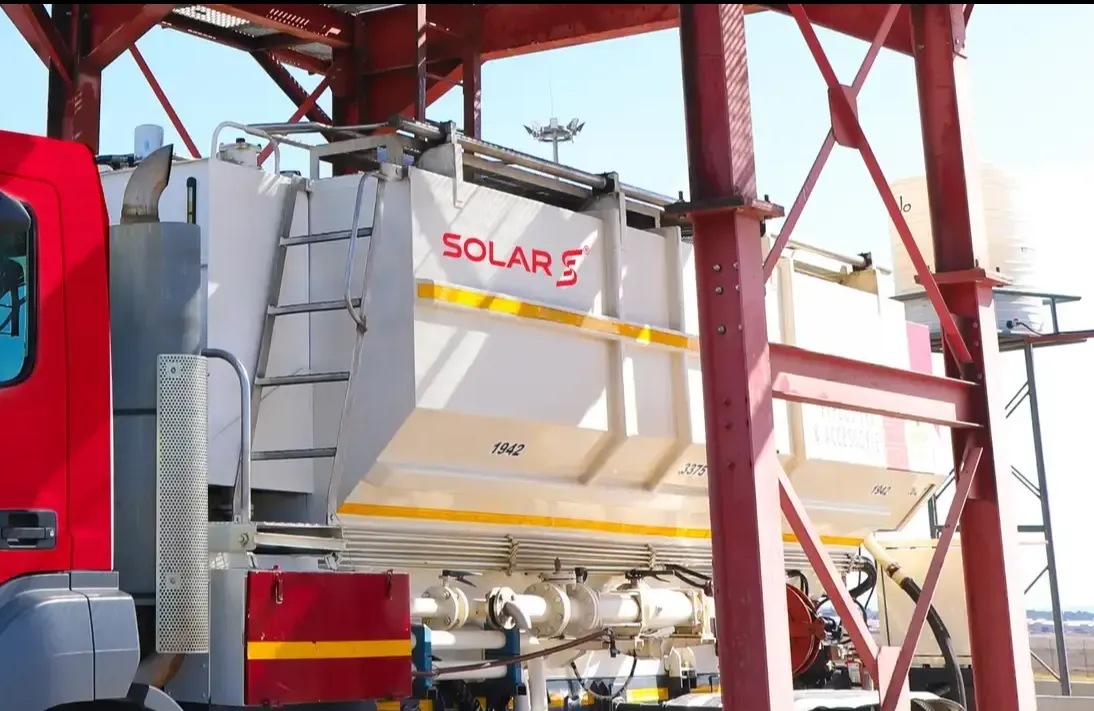
Industrial Explosives (86%): Bulk and cartridge explosives, detonators, detonating cords. If you see a mining pit, a tunnel, or a dam, Solar likely blew the first hole. Realisation per tonne has gone from ₹34,798 (FY22) to ₹51,231 (H1 FY25). Basically, inflation-proof bombs.
Defence (14% and climbing): HMX, RDX, TNT, propellants for Akash, BrahMos, Pinaka, even ISRO launch vehicles. Also making grenades, warheads, and mines. In simple words—India’s first private “war supplies” integrated hub.
They own 39 factories across 8 countries—India, Zambia, Ghana, Nigeria, Turkey, South Africa, Tanzania, Indonesia. Capex lined up in Thailand and Australia. So, not just “Make in India” but “Blast in Every Continent.”
And unlike peers, they make most raw materials in-house—detonator components, emulsifiers, nitrates. That means stable margins, less price volatility. Think of it as running your own kirana store while also owning the farm.