1. At a Glance – Blink and You’ll Miss the Transformation
SMT Engineering Ltd, formerly known as the politely boring Adarsh Mercantile Ltd, has pulled off the kind of transformation that would make Bollywood scriptwriters ask for a rewrite. Market cap sitting at roughly ₹311 crore, current price hovering around ₹188, and a six-month return of a jaw-dropping 832% — yes, that’s not a typo, that’s what happens when a company wakes up one morning and decides it no longer wants to be ignored. The latest quarter delivered ₹34.13 crore in sales and ₹6.35 crore in PAT, compared to almost spiritual nothingness a year ago. Stock P/E stands at 28.6, EV/EBITDA at 22.8, ROCE still modest at 4.46%, and ROE at 6.9%, which politely tells us profits have arrived but capital efficiency hasn’t fully RSVP’d yet. Promoters hold a confident 73.77%, debt is ₹68.2 crore, and the company is now officially an engineering manufacturer instead of a financial footnote. This is not a turnaround; this is a reincarnation with CNC machines.
2. Introduction – From Mercantile Meh to Manufacturing Madness
Once upon a time, SMT Engineering Ltd existed in that awkward corner of the market reserved for companies you scroll past without slowing down. Incorporated in 1984, it spent decades doing very little that excited either investors or Google search algorithms. Then came 2025 — the year of identity crisis, name change, address change, business model change, capital structure change, and probably coffee brand change in the boardroom pantry.
The company rebranded from Adarsh Mercantile Ltd to SMT Global Engineering Ltd, shifted its registered office from West Bengal to Madhya Pradesh, rewrote its Memorandum of Association like a student discovering ambition in final year, and went shopping — acquiring Sai Machine Tools Private Limited in an all-share deal worth ₹27.45 crore. Add preferential allotments, open offers, borrowing limit hikes up to ₹500 crore, and suddenly this wasn’t a sleepy microcap anymore — it was a corporate action festival.
Financials followed the drama. From single-digit crores in annual revenue, SMT Engineering clocked ₹81.72 crore in trailing twelve-month sales, with Q2 FY26 alone contributing ₹34.13 crore. PAT jumped to ₹6.35 crore for the quarter, compared to losses and pocket-change profits in prior years. This is what happens when a company stops trading paper and starts manufacturing machines that actually do things.
But before we start handing out medals, let’s open the hood and inspect the engine, the wiring, and the suspiciously shiny paint job.
3. Business Model – WTF Do They Even Do?
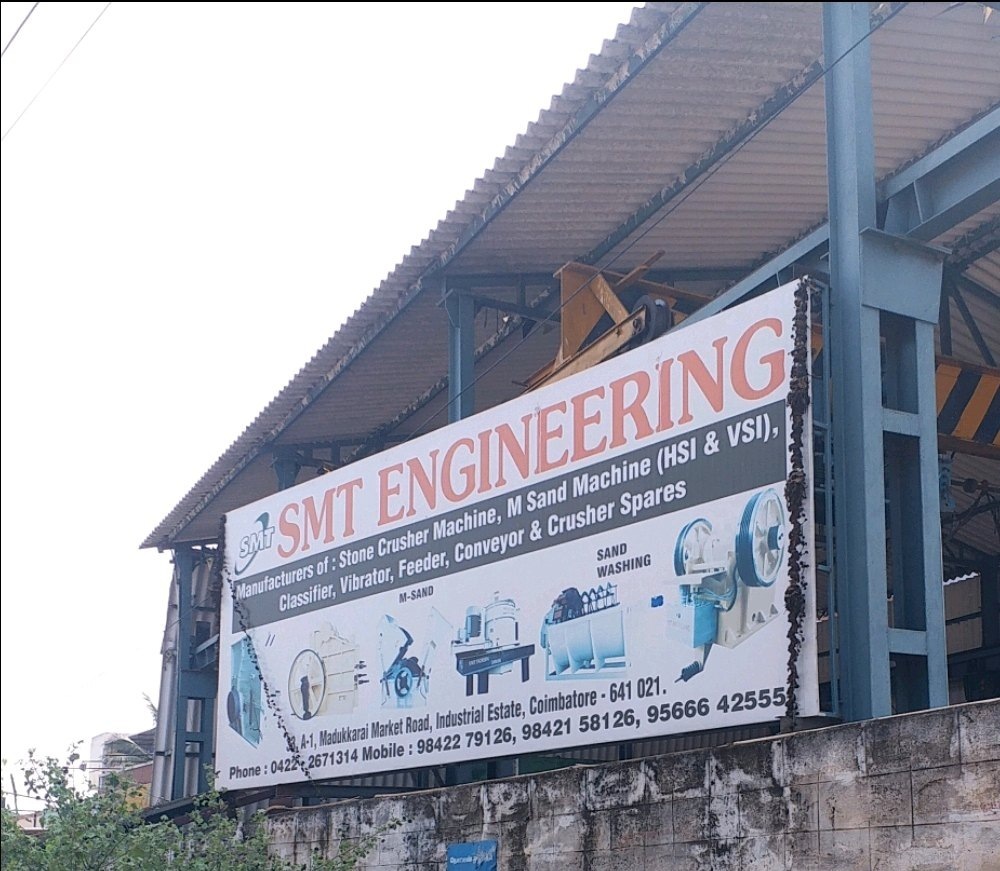
SMT Engineering now positions itself as a manufacturer of plastic extrusion systems — which is fancy language for machines that squeeze molten plastic into pipes, tubes, and irrigation lines that keep Indian agriculture and infrastructure from collapsing. The company designs and manufactures HDPE and PVC pipe extrusion lines, drip irrigation pipe machines, rain pipe machines, flat and round drip pipe machines, and a buffet of auxiliary equipment like vacuum cooling tanks, traction units, pipe cutters, and coilers.
In simple terms: if water needs to travel from point A to point B through plastic, SMT wants its machines to be the ones making that pipe.
Its clientele reads like a who’s-who of Indian piping and irrigation — Prince Pipes, Supreme, Vectus, Texmo, Mahindra EPC, Signet, and Sudarshan PVC Pipes. These are not hobby customers; these are industrial buyers who care deeply about uptime, tolerances, and whether the machine breaks down during peak season.
The acquisition of Sai Machine Tools adds manufacturing depth, allowing SMT to vertically integrate machining, fabrication, and assembly rather than outsourcing everything. The newly amended object clause goes even further, opening doors into metal fabrication, foundry operations, steel processing, forgings, castings, and even turbine and engine components. That’s less “one product company” and more “engineering buffet with ambition.”
The business model now is straightforward but execution-heavy: manufacture capital goods, sell to pipe manufacturers and irrigation companies, collect advances, deliver machines, and pray working capital doesn’t explode — which, spoiler alert, it already has.
4. Financials Overview – When Zero Becomes Hero
Result Type Lock: Quarterly Results detected. EPS is annualised by multiplying latest EPS by 4.
Quarterly Performance Comparison (₹ in Crores, EPS in ₹)
Yes, the headline P/E of 28.6 looks scary until you realise it’s backward-looking. On an annualised latest-quarter basis, valuation suddenly looks far more grounded. This is the magic — and danger — of inflection-point companies.
The commentary here is simple: revenue didn’t grow; it teleported. Margins expanded sharply, operating leverage kicked in, and profits followed like obedient interns. But remember — this is