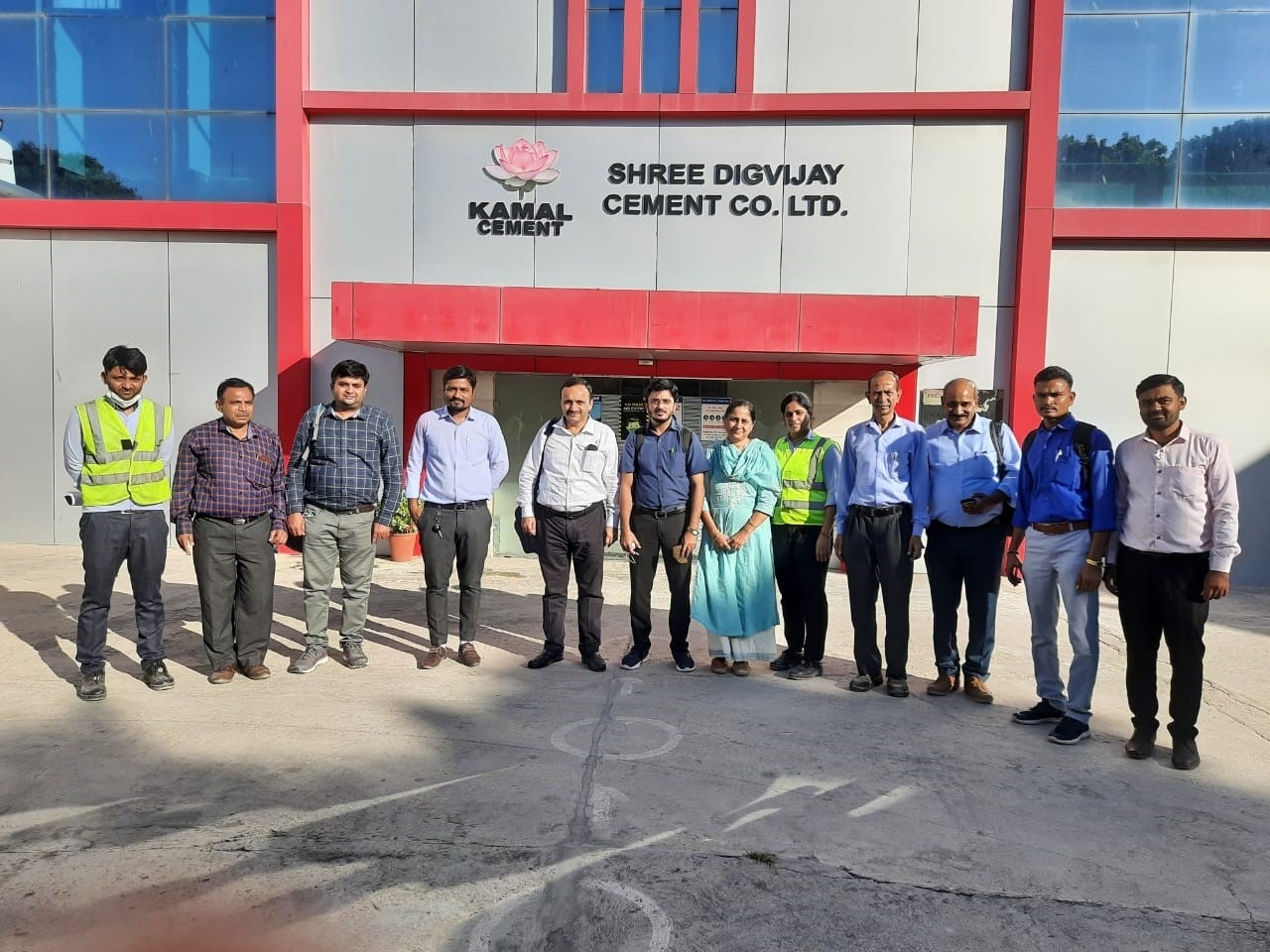
1. At a Glance – Cement Company Ya Netflix Series?
If you thought cement companies are boring… congratulations, you haven’t met Shree Digvijay Cement.
This is not just a cement story. This is a corporate takeover, brand deal, debt explosion, margin pressure, and Gujarat domination drama — all mixed like a perfect PPC blend.
One day promoters exit, next day a private equity fund walks in, then suddenly ₹400 crore security deposit, ₹356 crore loan, and boom — you’re now distributing another brand’s cement while hoping margins don’t collapse like a badly cured concrete slab.
Meanwhile, profits? Gone on a vacation.
Margins? Playing hide and seek.
Debt? Suddenly gym membership le liya — bulk up ho gaya.
And just when you think “yeh toh normal cement company hai”… management says:
“We can acquire Hi-Bond anytime. Literally tomorrow.”
Sir… calm down. This is not Bigg Boss wildcard entry.
So the real question is:
Is this a smart scale-up story… or a leveraged gamble in a commodity business?
Let’s investigate like CID with calculator.
2. Introduction – Cement Industry Ka Silent Fighter
Shree Digvijay Cement (SDCCL) is one of those old-school 1944 companies that survived everything — wars, cycles, cement cartels, and probably multiple government policies.
But survival ≠ success.
For years, the company has been a small regional player in Gujarat, competing with giants like UltraTech and Adani-backed players.
And now suddenly…
- Promoter (True North) exits
- India Resurgence Fund enters with ~45% stake
- Open offer launched
- Board reshuffled
- CEO resigns
Basically, full corporate reset mode activated.
And just when investors were processing that…
Boom — Hi-Bond partnership.
Now SDCC is trying to transform from:
👉 Small regional cement company
➡️ Into
👉 Scaled Gujarat-focused cement distributor + manufacturer hybrid
But here’s the catch:
Cement is not SaaS.
You don’t scale with PowerPoint.
You scale with capital, pricing power, and cost control.
And guess what — SDCC is now borrowing heavily to do that.
So the question is:
Transformation ya tension?
3. Business Model – WTF Do They Even Do?
Simple version:
👉 They make cement
👉 They sell cement
👉 They transport cement
👉 Now… they also distribute someone else’s cement
Yes, welcome to “cement + logistics + brand distribution” combo meal.
Core Business:
- Cement manufacturing (1.5 MTPA → expanding to 3 MTPA)
- Products: PPC, OPC, SRPC, Oil Well Cement
- Brand: “Kamal” (yes, very subtle branding)
Unique Assets:
- Captive jetty (port) → imports coal/clinker cheaply
- Limestone reserves → raw material security
- Strong Gujarat presence
New Twist (Hi-Bond Deal):
- SDCC buys cement from Hi-Bond at:
👉 Cost + ₹500/ton
- Then sells at market price
Expected profit:
👉 ₹200–₹300 per ton
Translation:
“Hum manufacture bhi karenge… aur trading bhi… jo profitable ho woh karenge.”
Strategy Shift:
- Move towards blended cement (lower clinker usage)
- Target clinker factor: ~55%
Why?
Because clinker = expensive
Blended cement = margin saver
But here’s the real