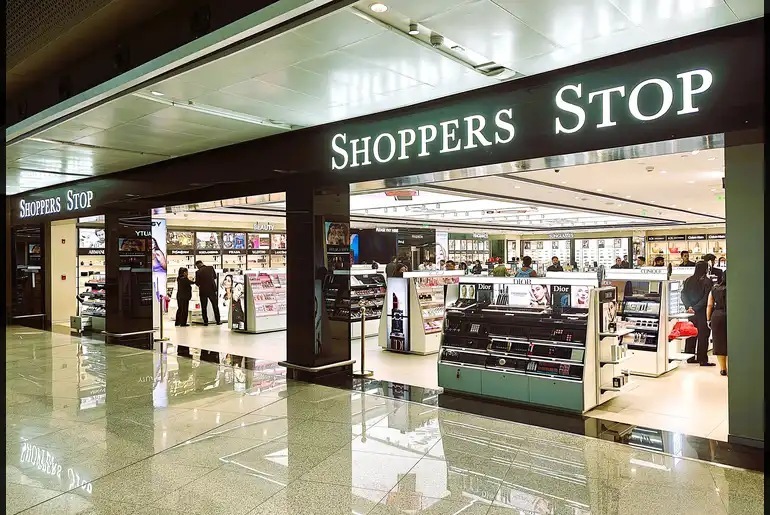
At a Glance
The era of mass-market retail stagnation is over for this legacy giant. After years of navigating identity crises and digital disruption, the company has emerged with a razor-sharp focus on premiumization. The numbers don’t lie: Department stores recorded a 4.7% Life-for-Like (LFL) sales growth, the highest in a decade. This isn’t just a recovery; it is a structural pivot toward the “aspirational young Indian family.”
While the topline is flexing, the balance sheet is undergoing a radical detox. The company generated ₹301 crore in cash from operations—the highest in eight years. More impressively, it slashed debt by ₹109 crore in a single year, positioning itself to be debt-free by FY27. This financial discipline is rare in a sector known for aggressive, often reckless, debt-fueled expansion.
However, it is not all champagne and roses in the boardroom. The “New Ventures” segment—specifically the value-fashion format INTUNE and the digital platform ssbeauty.in—remains a drag on the bottom line. Despite a 24% YoY sales growth in INTUNE during Q4, the segment is still bleeding, with an EBITDA loss of ₹21 crore for the quarter. The management has had to walk back previous promises of immediate breakeven, pushing the store-level profitability target into FY27.
The mystery lies in how a 35-year-old retailer is outmaneuvering nimble D2C brands. By locking in 13.5 million First Citizen members who now contribute a staggering 83% of total sales, the company has built a fortress of loyalty. But can the high-margin “Core” continue to subsidize the losses of the “New Ventures” without exhausting investor patience? The race to zero debt is on, and the stakes have never been higher.
Introduction
Shoppers Stop Ltd. has long been the grand dame of Indian retail. Established in 1991, it pioneered the departmental store concept in India. Today, it operates a massive network of 295 stores across 73 cities, spanning 4.5 million square feet. But being a pioneer often leads to being a target.
In recent years, the company has faced a pincer attack from value retailers like Trent’s Zudio on one side and premium international brands on the other. Its response has been a multi-pronged strategy: doubling down on premium beauty, scaling its value format INTUNE, and aggressively pushing its Global SSBeauty (GSSB) distribution arm.
The FY26 results show a company in transition. It is shedding its middle-of-the-road image to become a “House of Brands.” With premium products now contributing 71% of total sales (up from 64% last year), the shift is working. The company is no longer just selling clothes; it is selling a lifestyle to India’s burgeoning upper-middle class.
Business Model – WTF Do They Even Do?
If you think they just sell shirts and trousers, you haven’t been paying attention. Shoppers Stop is essentially a real estate and loyalty play disguised as a fashion retailer.
- The Core Department Store: They aggregate over 800+ brands. They don’t own most of the inventory; over 70% of revenue comes from merchandise on a consignment or sale-or-return (SOR) basis. This is a genius move—it keeps the balance sheet light and protects them from the “fashion risk” of unsold inventory.
- The Beauty Beast: They are arguably India’s most important beauty retailer. Through SSBeauty and partnerships with giants like Estée Lauder, M.A.C, and Armani, they control the premium fragrance and makeup market. Their GSSB subsidiary acts as the middleman, distributing these luxury brands to other retailers, which grew at a breakneck 81% in FY26.
- The Value Play (INTUNE): This is their defense against the “Zudio-fication” of India. It targets the mass market with lower price points. It’s currently the