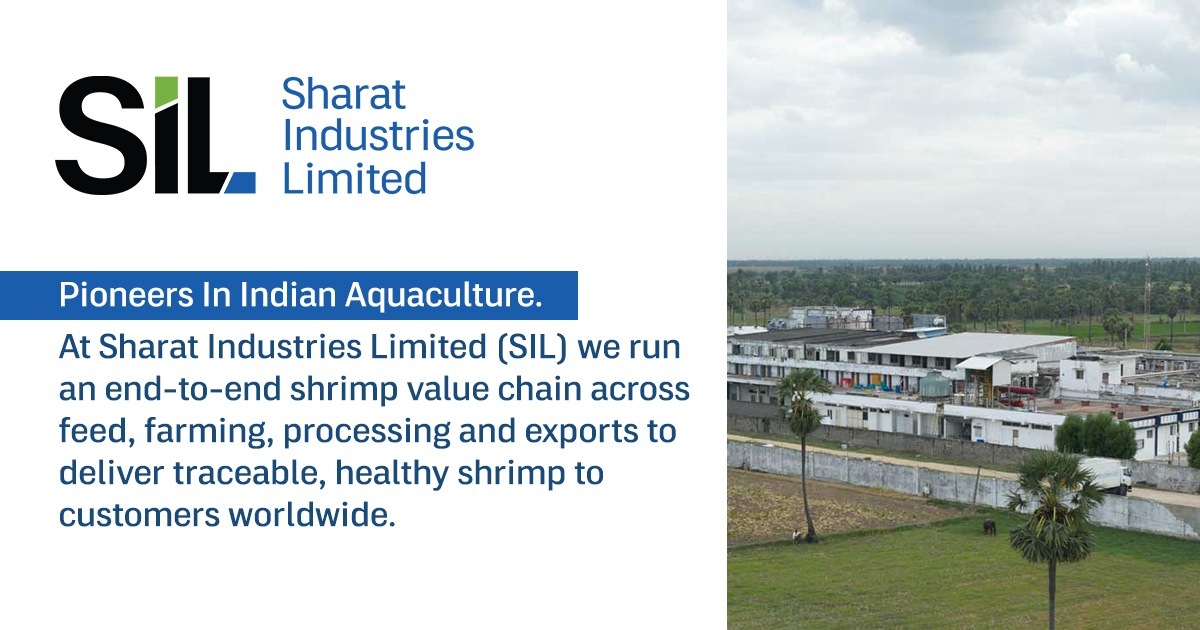
1. At a Glance – The Shrimp That Swam 135% in a Year
₹667 crore market cap.
₹170 stock price.
40.7 P/E.
ROE 9%.
ROCE 11.9%.
Q3 FY26 revenue ₹142.54 crore.
Q3 PAT ₹4.74 crore.
79.6% YoY profit growth.
47.8% YoY sales growth.
23.4% return in 3 months.
135% return in 1 year.
Ladies and gentlemen, meet Sharat Industries — a shrimp company that decided to behave like a tech startup in the last 12 months. Sales jumped. Profit jumped harder. The stock did cardio.
But wait.
At 40.7 P/E in a commodity-ish seafood business with 9% ROE and 0.79 debt-to-equity… are we looking at a Vannamei rocket or just seasonal shrimp volatility?
Because remember — shrimp farming isn’t SaaS. It’s ponds, feed, weather, exports, and sometimes, diseases that don’t care about your valuation.
So the real question is:
Is this a turnaround story finally marinating properly… or are investors over-seasoning the gravy?
Let’s dive in.
2. Introduction – From Ponds to Public Markets
Sharat Industries was incorporated in 1990. Back when “startup culture” meant actually starting a pond and praying monsoons behaved.
This is not some asset-light, laptop-and-Latte business. This is hardcore aquaculture — hatcheries, shrimp farms, feed mills, processing plants, exports.
They began with Black Tiger and Scampi shrimps and later became early adopters of Vannamei (white shrimp) culture in India — which today dominates the export market.
And unlike many seafood companies that only process or only export, Sharat is vertically integrated:
- Hatchery
- Farming
- Feed manufacturing
- Processing
- Cold storage
- Export
Basically, they control the shrimp from birth to freezer.
Revenue in FY23 came 69% from shrimp sales, 21% from feed, 6% from raw shrimp, and the rest from other operating revenue. Geographically, 69% exports and 31% domestic.
So they are export-heavy. Which means:
- Dollar dependency
- Global demand cycles
- Currency impact
- Trade restrictions drama
This is not a boring FMCG business. This is global seafood roulette.
And now the numbers are finally waking up.
But are they sustainable?
3. Business Model – WTF Do They Even Do?
Imagine explaining this to your friend who only invests in IT stocks.
Sharat Industries is basically running a shrimp empire.
Here’s the breakdown:
🥚 Hatchery
Produces ~500 million Vannamei seedlings per annum.
They create baby shrimp. Yes, that’s a business.
🏞️ Farm
One of the largest shrimp farms in India — about 500 acres water spread area.
Capacity ~2,000 tons shrimp per annum.
Shrimp grow here. Hopefully disease-free.
🌾 Feed Mill
Capacity ~22,500 tons.
They make shrimp feed — not just for themselves, but for other farmers too. Feed = recurring