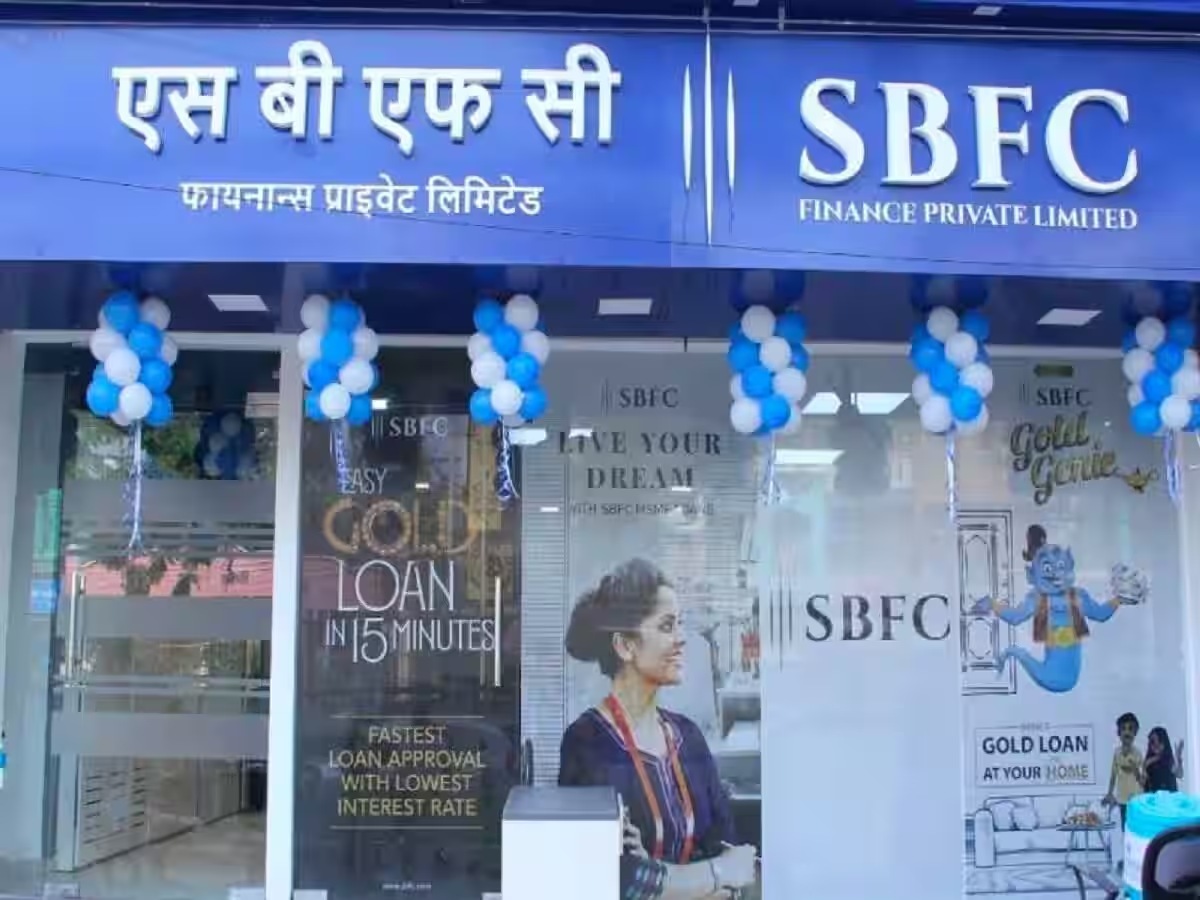
SBFC Finance Q4 FY26: ₹11,270 Cr AUM, ₹451 Cr PAT, 2.61% GNPA — Growth Machine or Leverage Lassi?
Date of Publishing -
Spotted a factual error — a wrong number, date, or fact? Tell us and we will check the source.
1. At a Glance
SBFC Finance has walked into Q4 FY26 like a well-dressed NBFC detective: shiny shoes, clean AUM growth, respectable asset quality — and a few suspicious footprints near the management-change corridor. The company ended FY26 with AUM of ₹11,270 crore, up 29% YoY, while PAT jumped 31% YoY to ₹451 crore. Q4 PAT came in at ₹123 crore, up 30% YoY, with total income at ₹454 crore. On paper, this is not a sleepy finance company; this is a secured MSME lender with a gold-loan side hustle, pan-India branch expansion, and a balance sheet that has clearly been eating protein.
But finance stories are never that simple. The AUM engine is roaring, yes. But borrowings have also reached ₹7,161 crore, debt-to-equity is around 1.92x, and cash flow from operations remains deeply negative because NBFCs grow by lending out cash first and collecting later — basically the financial version of feeding a crocodile and hoping it remembers your kindness.
The biggest green flag? SBFC is mostly secured. Its FY26 book is reported as 100% secured, with secured MSME and gold loans forming the core. The company has 251 branches, 2.02 lakh live customers, ₹3,465 crore tangible net worth, 32.84% CRAR, and AA- Stable credit rating. That is a decent fortress, not a tin shed in a cyclone.
The biggest yellow flag? Management transition. Aseem Dhru moved into Executive Vice Chairman mode, Mahesh Dayani became MD & CEO from April 2026, and rating commentary specifically says senior management stability remains monitorable. Translation: the lending machine is working, but the cockpit has changed pilots, so investors will watch whether the landing remains smooth or becomes an NBFC episode of “Mayday.”
2. Introduction
SBFC Finance is a non-deposit-taking systemically important NBFC focused on secured MSME loans and loans against gold. It lends mainly to small businesses, often in the ₹5 lakh to ₹30 lakh borrowing segment, where formal income papers are sometimes thinner than a politician’s promise during election season.
The business is simple: lend against collateral, earn high yields, manage credit risk, keep borrowing costs under control, and pray that the borrower’s cash flow behaves better than the monsoon.
FY26 was strong. AUM crossed ₹11,270 crore. PAT reached ₹451 crore. GNPA improved to 2.61% from 2.74% last year. Opex to average AUM improved to 4.19% from 4.65%. RoA stayed high at 4.58%, while RoATE improved to 14.18%.
But the Jan 2026 concall had caution written all over it. Management spoke about interest rates staying firm, household leverage rising, Karnataka-related disruption taking time to repair, and tighter underwriting filters. This is where the detective hat comes out. The numbers are clean, but management itself was not dancing on the table. They were saying: growth is good, but the credit cycle is not a comedy show.
3. Business Model – WTF Do They Even Do?
SBFC lends money mainly to small businesses through secured MSME loans and also gives loans against gold. The secured MSME part is basically loan against property for small shopkeepers, traders, retailers, and service businesses. The gold-loan part is faster, smaller-ticket, and usually higher-yielding.
FY26 mix: secured MSME AUM was ₹8,873 crore, while total AUM was ₹11,270 crore. Gold loans have grown faster, but management had earlier indicated that gold should remain around the 20% zone rather than becoming the entire plot.
The company claims 100% in-house sourcing, which matters. No overdependence on random agents pushing loans like they are selling discount pressure cookers. In-house sourcing gives better control, but it also means higher operating costs until scale kicks in.
The real SBFC trick is this: lend to underserved borrowers, but do it with collateral, co-borrowers, credit checks, local underwriting, and digital processes. The company’s credit underwriting presentation says 89%+ of secured MSME AUM is from customers with CIBIL above 700, 94% AUM is secured by self-occupied residential or commercial property, and LTV is around 42.6%.
Question for readers: is this a high-quality secured lender, or simply a lender enjoying the sweet spot before the credit cycle starts asking uncomfortable questions?
4. Financials Overview
Official result heading says “Financial Results for Quarter and Year Ended 31st March, 2026.” So for EPS, this is Q4/FY26, and as per rule, we use full-year EPS, not Q4 EPS annualised. The company itself says quarterly EPS is not annualised. FY26 diluted EPS is ₹4.10, basic EPS is ₹4.13.