1. At a Glance
The financial corridors of Ahmedabad are whispering about a legacy player that has spent decades grinding maize but is now attempting to grind out a profit from a very tight corner. We are looking at a company that has survived since 1941, a feat in itself, but the recent trajectory has been more of a roller coaster than a steady climb. This isn’t just about starch; it’s about a ₹1,072 crore revenue behemoth that has been gasping for bottom-line oxygen for the better part of the last two years.
While the top line has managed to cross the four-figure mark, the real story lies in the microscopic PAT of ₹1.37 crore for the full year. To put that in perspective, the company is doing over a thousand crores in sales to take home barely what a high-end apartment in Mumbai costs. The volatility here is enough to give a seasoned auditor a migraine. We’ve seen quarters where net profits swung from a loss of ₹8 crore to a profit of ₹11 crore, making the quarterly earnings calls feel like a high-stakes poker game.
The red flags aren’t just waving; they are practically doing a parade. The Debt-to-Equity ratio sits at 2.45, a level that usually suggests the banks own more of the furniture than the promoters do. With borrowings of ₹227 crore against a net worth that has been eroding over the years, the interest coverage ratio has been a constant point of friction. In fact, credit rating agencies haven’t been shy about their feelings, recently downgrading the company’s paper to CARE BB+ with a Negative outlook.
Yet, in the midst of this leverage-heavy struggle, Q4 FY26 has suddenly thrown a curveball. The company reported an EBITDA margin of 8.9%, a staggering jump from the negative margins seen just a year ago. Is this a genuine operational pivot driven by lower maize costs and internal “efficiency projects,” or is it a temporary relief before the weight of ₹227 crore in debt pulls it back down? Investors are biting, evidenced by the stock price gaining nearly 32% in the last three months.
This is a story of a 1940s veteran trying to reinvent itself with solar plants, joint ventures with French caramel giants, and non-core land sales. But behind the “robust earnings growth” headlines lies a balance sheet that looks like it’s been through a war zone.
Is this the beginning of a multi-year recovery, or just a tactical exit for the weary?
2. Introduction
Sayaji Industries is not a new kid on the block. It’s the grandparent of the maize processing industry in India. Founded in 1941, it has seen world wars, independence, and the license raj. Today, it stands as a leading corn wet milling entity, transforming humble maize into everything from the liquid glucose in your candy to the dextrose in your IV drip.
The company operates out of a massive facility in Kathwada, Ahmedabad. For years, it was the steady, boring reliable of the starch world. However, the last few financial years have been anything but boring. The company hit a rough patch where raw material volatility—specifically the price of maize being diverted for ethanol—sent their margins into a tailspin.
In FY25, the company was bleeding cash. Fast forward to May 2026, and the management is sounding a victory bugle. They’ve managed to turn the ship around, posting a positive PAT for the full year FY26. But as any detective of the markets will tell you, a “positive PAT” of ₹1.5 crore on a ₹1,000 crore revenue base is like finding a single gold coin in a mountain of starch.
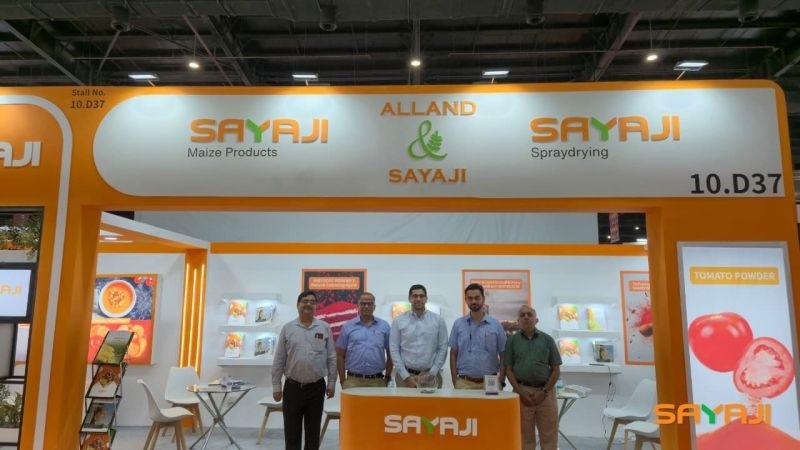
The company is currently in a transition phase. They are diversifying into spray-dried food products like tomato powder and non-dairy creamer, and they’ve recently inked a 50:50 Joint Venture with France’s Nigay SAS to build a caramel plant. They are also trying to clean up their act by selling off land banks and installing solar power to cut costs.
It’s a classic turnaround story with a very high debt component. The question is whether the “maize” they are grinding is finally going to turn into gold for the shareholders, or if the interest costs will keep eating the lunch.
3. Business Model – WTF Do They Even Do?
If you think they just sell corn on the cob,