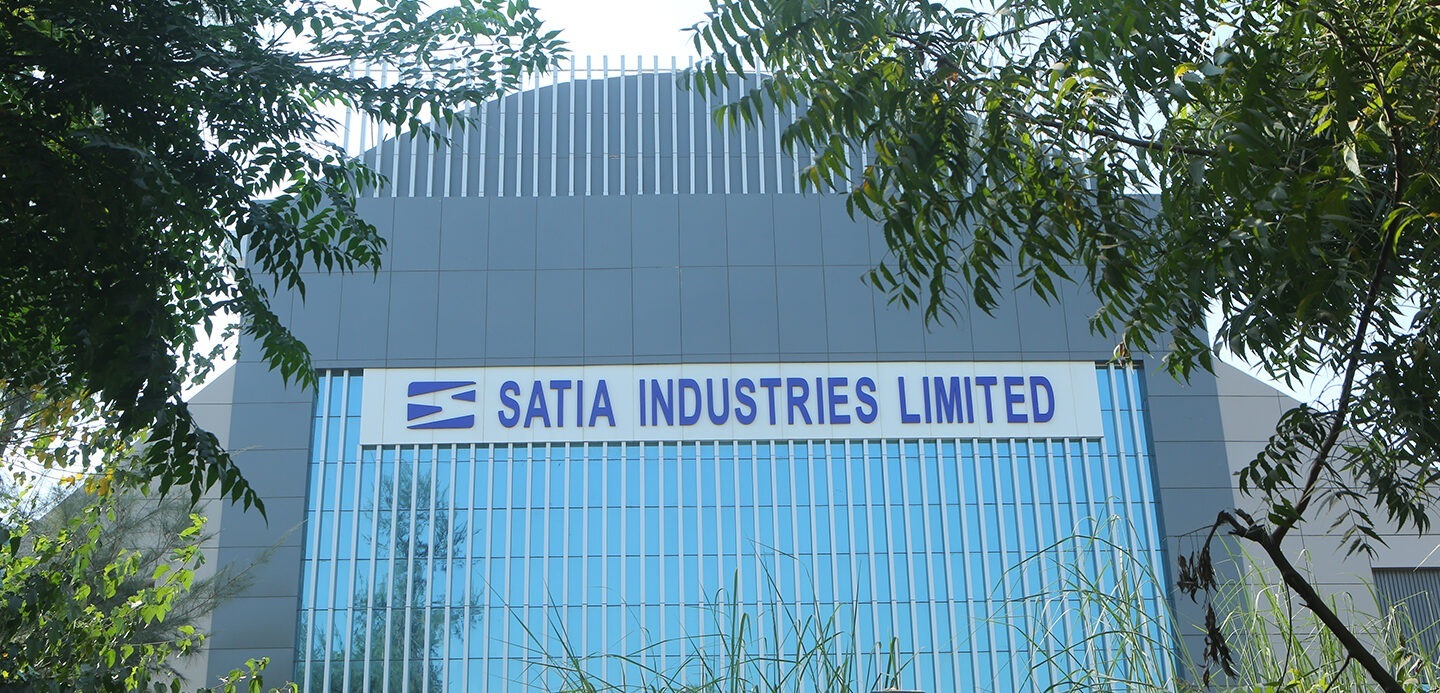
1. At a Glance
Satia Industries (SIL) is the “Government’s Xerox machine” – churning out paper for textbooks, notebooks, and envelopes, while also moonlighting as a power producer and part-time farmer. Current market cap? ₹802 Cr. CMP ₹80.1, trading at a measly 0.76x book. FY25 sales were ₹1,484 Cr, PAT ₹99 Cr, margins ~15%. On paper (pun intended), the numbers look decent – P/E just 8.08, ROE 12%. But the stock has given -31% in one year, -7% in 5 years, basically wiping out more than your salary hikes. High book value (₹105) but CMP below it – a “value trap or hidden bargain” situation.
2. Introduction
Imagine running a paper business in 2025. On one side, you’ve got WhatsApp University replacing actual textbooks. On the other, the government still runs massive tender-driven textbook orders. Somewhere in the middle stands Satia Industries, supplying crores worth of watermark paper to state boards and still convincing investors “paper has a future.”
Founded in 1980, SIL has seen cycles – from the glorious days of diaries and ledgers to the era when your 5-year-old nephew screams “Papa, printouts are boring, send PDF.” The company makes everything from snow-white paper for textbooks to coloured papers for wedding cards. They even generate their own power (41.95 MW) and grow cotton. A true jack-of-all-trades, but does it pay?
The punchline: SIL has 10–15% share in India’s state textbook board market. Sounds glamorous until you realize their biggest customers are government tender boards – aka “slow payments and tender margins thinner than your dosa.”
So, is Satia an undervalued eco-warrior or just another pulp fiction story?
3. Business Model – WTF Do They Even Do?
Think of SIL as a multi-tasking Punjabi uncle:
- Writing & Printing Paper (core): Maplitho, Snow White, Ledger, Bond – from 42 GSM thin stuff to 200 GSM board. Used for textbooks, diaries, reports, and yes, election ballots.
- State Board Supplies (~40–50% revenue): Tender-driven. High volume, fixed margin, and dependent on Sarva Shiksha Abhiyan.
- Open Market Supplies (~50–60% revenue): Exercise book paper, copier paper, coloured varieties – sold through 100+ dealers nationwide.
- Power Cogeneration (42 MW): They run on their own electricity, making them partly immune to Punjab’s power cuts.
- Agri & Cotton Trading: Extra pocket money business.
Plant at Muktsar, Punjab = 2.05 lakh MTPA paper capacity, pulping 550 TPD, four paper machines, and chemical recovery system. Essentially, a mini-paper city.
But here’s the detective’s twist: 96% of sales are domestic, only 4% exports. So while JK Paper, Seshasayee, West Coast look outward, Satia is still stuck