At a Glance
The numbers coming out of this Ayurveda D2C powerhouse are designed to make heads turn, but look closer, and you’ll find a company in the midst of a high-velocity identity crisis—transitioning from a pure-play product seller to an integrated healthcare ecosystem. In FY26, the company reported a massive 74% jump in Net Profit, reaching ₹17.10 crore, up from ₹9.81 crore in the previous year. This was achieved on the back of a 23% revenue growth, taking the topline to ₹200.70 crore. While the growth is undeniable, the story here isn’t just about selling “Addiction Killer” kits or “Liv Muztang” capsules anymore.
The red flags, however, are waving in the wind for those who know where to look. The company’s working capital cycle is undergoing a seismic shift; working capital days have ballooned from 28.3 to 60.9 days. Management blames a “software glitch” at India Post for a 45-day delay in remittances, but when your entire model relies on high-velocity cash churn to fund aggressive social media ad spends, a glitch is more than just an inconvenience—it’s a systemic risk. Furthermore, the company has pivoted from its strictly “asset-light” gospel to setting up its own manufacturing and launching a 30-bed hospital in Delhi.
Investors are currently staring at a Stock P/E of 18.3, significantly lower than the industry median of 31.2. This discount suggests the market is still weighing the risks of a business that relies on Google and Meta for over 72% of its lead generation. With a target to hit ₹500 crore by FY28, the company is betting the house on AI-driven data monetization and a massive hospital rollout. The question is: can a “well-oiled telemarketing machine” successfully run a 300-bed clinical empire?
Introduction
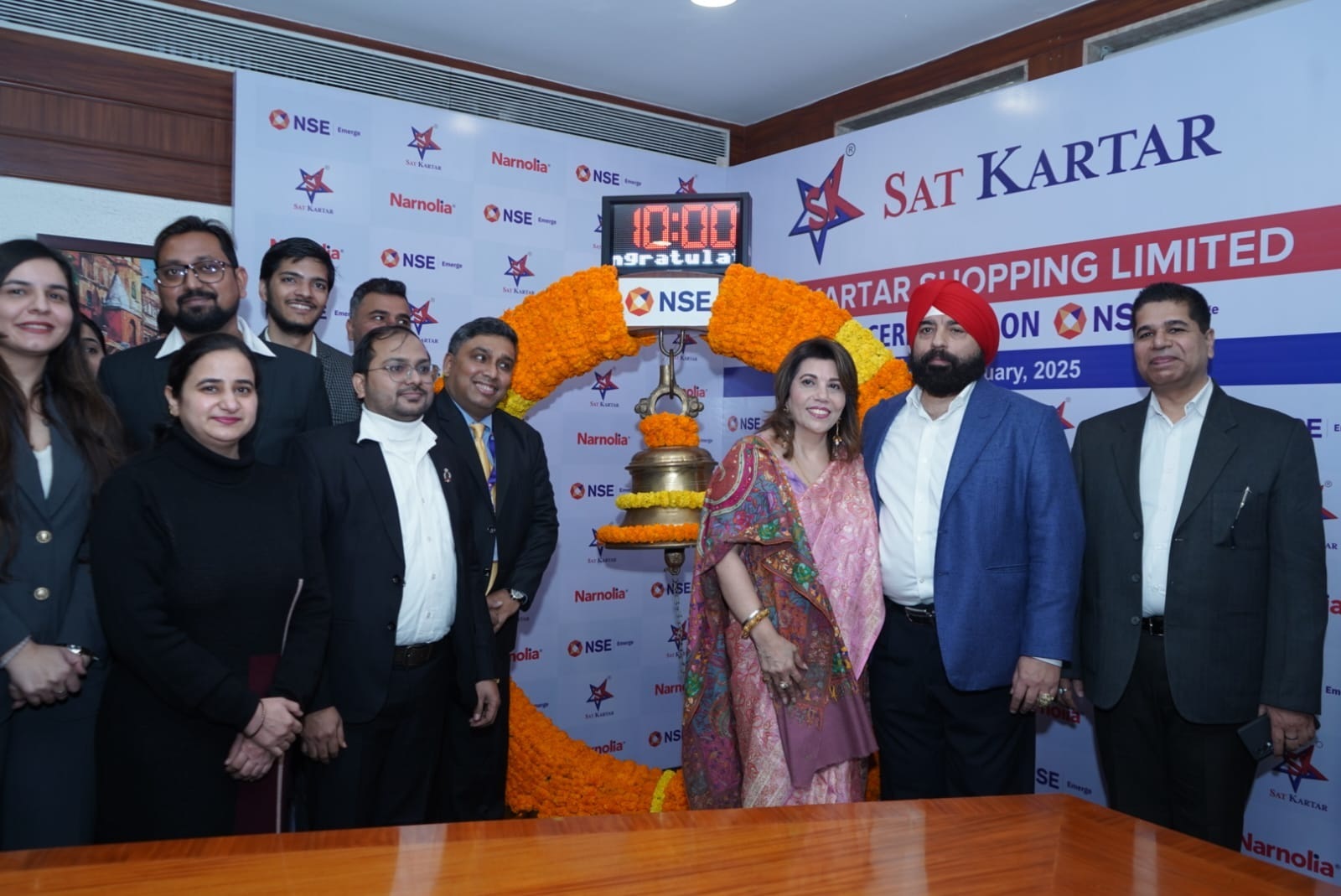
Sat Kartar Life Ltd (formerly Sat Kartar Shopping Ltd) is no longer just a name on a TV screen selling niche herbal remedies. Since its listing in January 2025, the company has aggressive plans to dominate the Ayurvedic landscape. It operates a Direct-to-Consumer (D2C) model that is essentially a data-mining operation disguised as a wellness brand. With a database of 30 million consumers and a multilingual workforce that speaks to India in 10+ languages, they have cracked the code of selling high-margin, problem-led products directly to the heartland.
The transition to “Sat Kartar Life” signifies a move into the “integrated” space. They aren’t just sending you a bottle of pills; they want to treat you in their Sat Kartar Sanjeevan Hospital. The strategic tie-up with Jeena Sikho Lifecare Ltd in April 2026 further cements this intent. They are building a funnel: awareness via social media, consultation via AI and tele-executives, and treatment via their clinical infrastructure.
However, the path is littered with complexity. The company recently raised ₹48.58 crore via a preferential issue at ₹172 per share, backed by institutional names like Lighthouse Canton. This capital is the fuel for their “300 beds by FY27” fire. While the profitability margins are expanding—PAT margins moved from 6% to 8.5%—the reliance on aggressive marketing remains the Achilles’ heel.
Business Model – WTF Do They Even Do?
If you think this is a traditional pharma company, think again. Sat Kartar is essentially a Marketing and Data Analytics firm that happens to sell Ayurvedic formulations. They operate on an “asset-light-ish” model where, until recently, almost everything was outsourced.
The core of the business is Lead Generation. They bombard Google, Meta, and Television with ads for niche problems—think addiction, sexual wellness (Liv Muztang), and diabetes. Once a lead is generated, their army of 2,500+ employees, mostly multilingual wellness executives, takes over. They don’t just sell; they consult, they follow up, and they convert.
Revenue Bifurcation:
- Specific Problem-Led Niche Therapy (70.9%): This is the high-margin “secret sauce.” Products like Addiction Killer and Kaama Gold drive the bulk of the profits.
- Lifestyle-Led Curative Areas (29.1%): This includes diabetes (Ayush 82) and joint pain relief—products with higher repeat potential