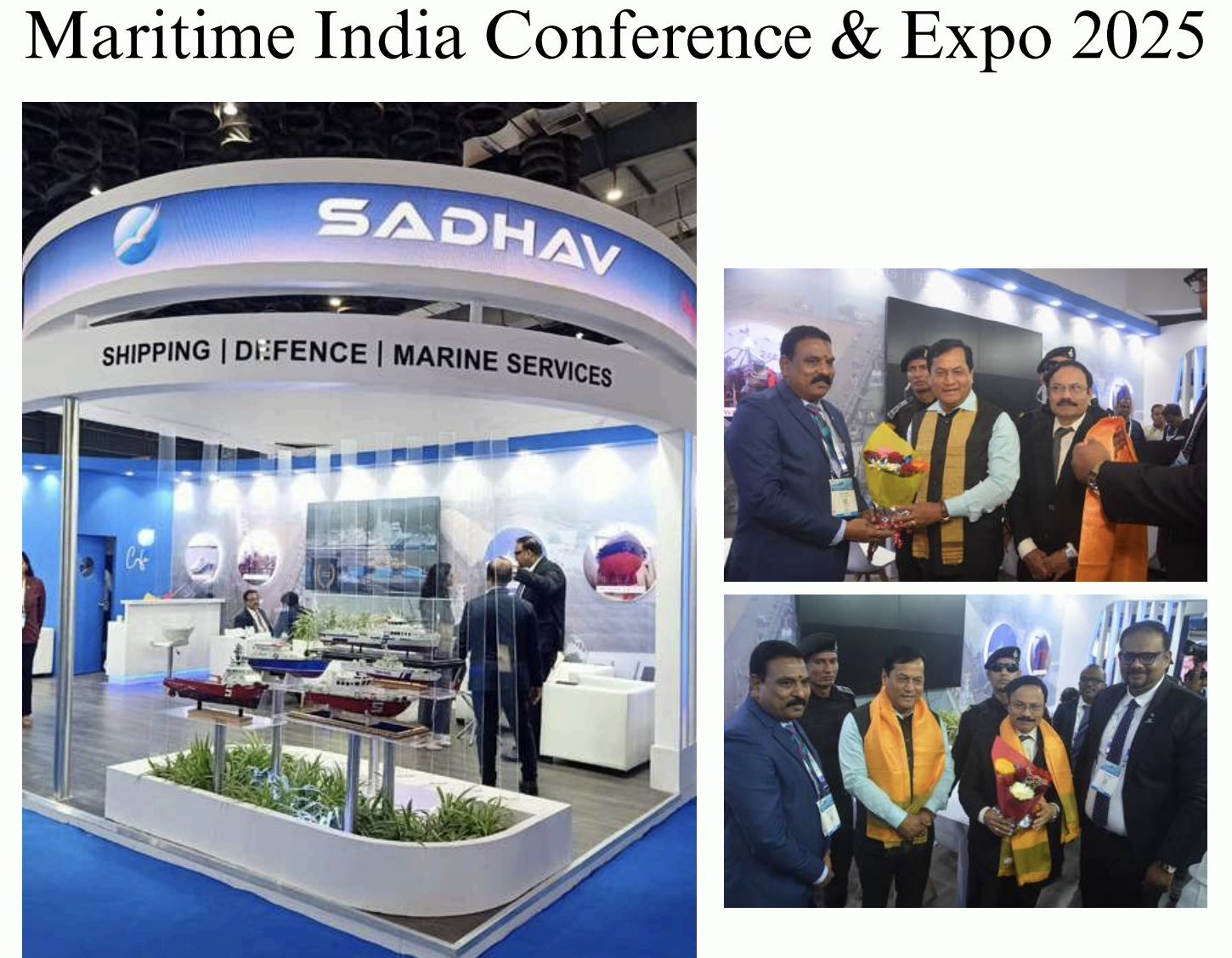
1. At a Glance – The Floating Balance Sheet
Sadhav Shipping Ltd is one of those companies that doesn’t shout on TV ads, doesn’t sponsor cricket teams, and doesn’t pretend to be a “tech-enabled platform”. It just… floats. Literally.
With a market cap of ~₹142 Cr, a current price of ~₹99, and a debt pile of ~₹110 Cr, this NSE SME-listed maritime operator is quietly towing India’s offshore logistics while retail investors argue on Twitter about AI stocks.
The latest Q3 FY26 results dropped like a heavy anchor: revenue ₹28.23 Cr and PAT ₹7.40 Cr, translating into a chunky quarterly margin profile. Add to that an unexecuted order book of ~₹292 Cr, which is ~3.02x FY25 sales, and suddenly this smallcap barge operator looks less like a sleepy port contractor and more like a cash-flowing utility on water.
ROCE sits around 13–14%, ROE around 12–13%, promoter holding is a calm 69.4% with zero pledging, and dividends… well, let’s just say promoters prefer reinvesting in steel, engines, and DP upgrades rather than cutting cheques.
If you like companies with real assets, long-term contracts, client concentration risk, and balance sheets that smell of diesel, congratulations—you’re in the right harbour.
2. Introduction – A 1996 Vintage Ship That Refuses to Sink
Founded in 1996, Sadhav Shipping Ltd has been around long enough to see multiple oil cycles, port privatization waves, ONGC capex winters, and investor mood swings. While many shipping names either went bankrupt or became penny stocks with inspirational tweets, Sadhav quietly built a fleet, relationships, and—most importantly—credibility.
The company operates in a niche that most retail investors ignore because it’s not glamorous: offshore supply vessels (OSVs), port services, tugs, barges, and oil spill response. No fancy cruise liners. No Instagram reels. Just vessels that show up on time when oil rigs, ports, and authorities need them.
The result?
Clients like ONGC Ltd., Mumbai Port Authority, Jawaharlal Nehru Port Authority, BPCL, and even Bhabha Atomic Research Centre—basically institutions that don’t experiment with newbies.
But before you get carried away, remember: shipping is cyclical, asset-heavy, and allergic to overconfidence. So let’s open the logbook properly.
3. Business Model – WTF Do They Even Do?
Imagine you’re running an offshore oil rig. You need fuel, crew, equipment, waste removal, safety support, and emergency response—24/7, in angry seas, with zero tolerance for jugaad. That’s where Sadhav comes in.
Core Revenue Engines
1. Offshore Supply Vessels (63% of FY25 revenue)
These are DP-enabled vessels that serve offshore E&P companies. Think of them as the Amazon delivery vans of oil rigs—except the packages are heavy, expensive, and occasionally flammable.
2. Port Services (25%)
Tugs, barges, and support vessels for port operations. Less volatile, more predictable, and loved by private ports that hate downtime.
3. Oil Spill Response (12%)
This is the underrated segment. Sadhav partners with ports and agencies for oil spill mitigation, which is boring until the day it isn’t—and