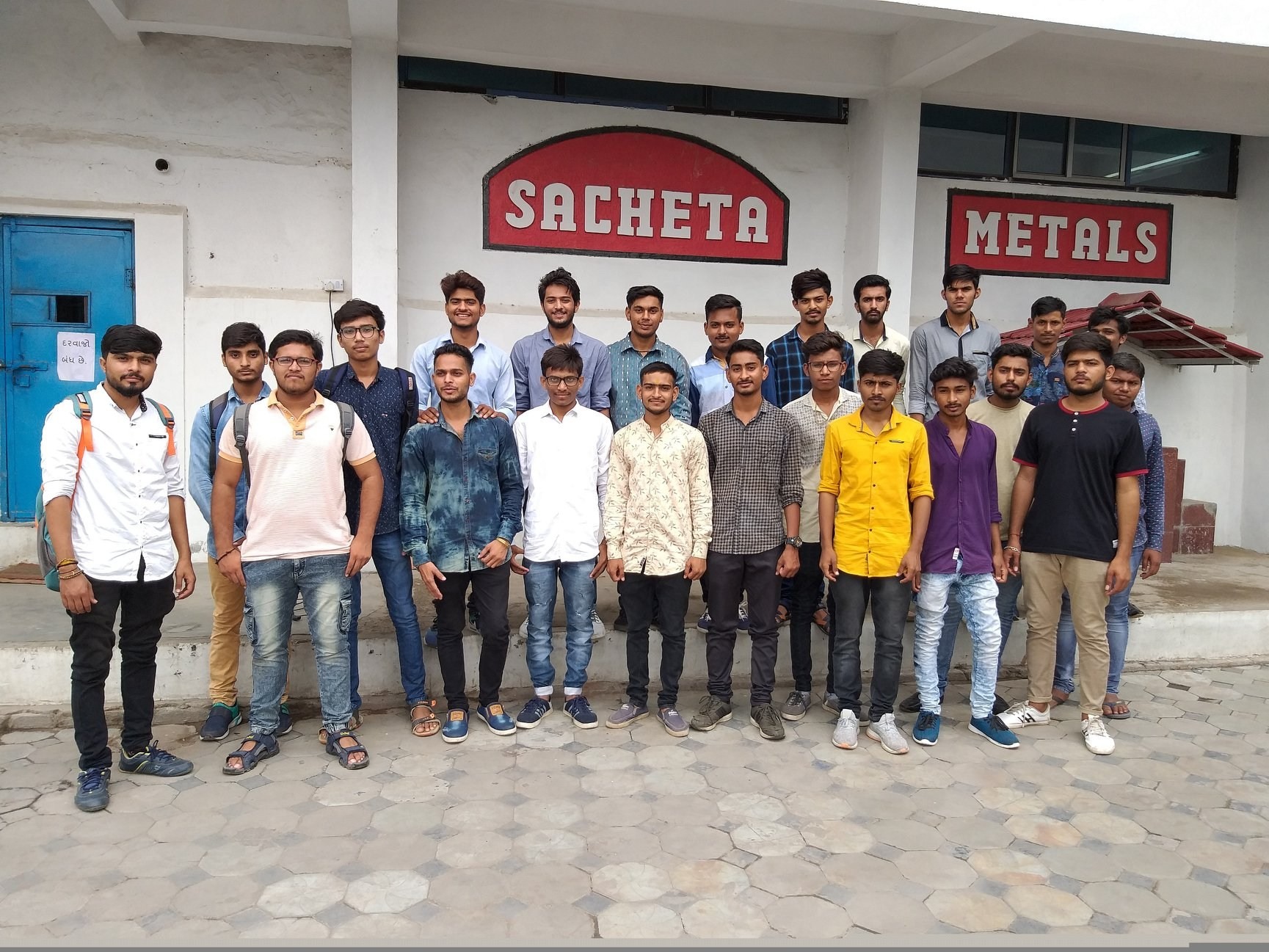
1. At a Glance
Sacheta Metals is that quiet Gujarati uncle of the stock market who has been manufacturing kitchen utensils since 1990, exporting tawas and kettles across Africa and the Middle East, but somehow still earns ROE that would make a PSU blush.
Market cap sits at ₹52.8 Cr, stock price at ₹4.22, almost equal to book value ₹4.21 – valuation-wise it’s basically saying “bhaiya cost price pe le jao.” The company just reported Q3 FY26 revenue of ₹22.07 Cr with PAT of ₹0.77 Cr, which is a 14.9% YoY profit growth even though sales were down 14.9% YoY.
Exports contribute ~69% of revenue, margins hover around 6–8%, and debt-to-equity sits at a manageable 0.40. Sounds decent… until you notice sales growth over 5 years is -1%. Yes, negative.
So is this a hidden exporter with optionality, or a stagnant utensil seller surviving on jugaad and inertia? Let’s open the pressure cooker.
2. Introduction
Sacheta Metals is not a startup, not a turnaround, not a hype stock. It’s a 35-year-old manufacturing company still making the same products your nani used – tawas, plates, kettles, and milk cans – just exported to places like Congo, Yemen, Oman, and Djibouti.
The company operates in a brutally competitive, low-margin segment where aluminium prices move faster than management commentary. Despite exporting to 20+ countries, Sacheta has failed to convert longevity into scale. Revenues have oscillated between ₹75–100 Cr for a decade like a heart monitor on power-saving mode.
And yet… it survives. Pays dividends sometimes. Doesn’t dilute shareholders every year. Promoters hold 55.5% with zero pledge. No fancy ESG slides, no AI buzzwords, just utensils and balance sheets.
This is not a story stock. This is a “numbers-on-paper” stock. Let’s see whether those numbers deserve respect or ridicule.
3. Business Model – WTF Do They Even Do?
Sacheta Metals manufactures aluminium sheets, circles, coils, and finished cookware products like tawas, fry pans, kettles, plates, and tiffins. Think