Royal Orchid Hotels FY26: The Illusion of a 34% Profit Drop and the ₹553 Crore Lease Reality Check
Date of Publishing -
Spotted a factual error — a wrong number, date, or fact? Tell us and we will check the source.
1. At a Glance
An optical mismatch has developed between operational performance and reported net profitability at Royal Orchid Hotels Limited (ROHL). On a headline basis, full-year consolidated net profit for FY26 contracted by 29.8% to ₹33.3 crore, down from ₹47.5 crore in FY25. This contraction triggered a sharp market correction, driving the equity down to its current market price of ₹330—a punishing 44.4% drop from its 52-week high of ₹594.
The primary cause of this divergence is not operational decay, but an accounting transformation. The launch of the flagship 292-key ICONIQA hotel near Mumbai International Airport in September 2025 introduced an aggressive 25-year lease structure. Under Ind AS 116 accounting conventions, this lease converted regular rental outlays into a non-cash, front-loaded depreciation and finance charge of ₹57.3 crore. This single adjustment artificially deflated reported bottom-line metrics by ₹15.4 crore. Operationally, core room revenue grew by 32.6% to ₹213.7 crore, while the asset-light managed inventory scaled up to 7,510 operational keys.
Analytical clarity requires separating non-cash regulatory definitions from functional business economics; clipping headline returns without mapping underlying cash generation misprices long-term asset productivity.
The underlying tension rests on whether management can rapidly ramp occupancy at premium properties to absorb these accounting headwinds before structural cost inflation degrades terminal margins.
2. Introduction
Incorporated in 1986 under the stewardship of Chander Kamal Baljee, Royal Orchid Hotels has spent four decades transitioning through the volatile cycles of Indian hospitality. Historically tethered to a traditional capital-intensive model of concrete ownership in primary business hubs like Bangalore, the company faced significant leverage constraints during past industry downturns.
In recent years, ROHL pivoted toward an asset-light corporate design. The modern footprint spans 80 locations across 19 states, but the balance sheet is no longer built on heavy physical property acquisitions. The strategic focus has shifted entirely to securing long-term management contracts, flexible revenue-sharing leases, and franchise structures. This structural realignment was designed to accelerate geographic coverage while immunizing core capital from property development risk. However, as recent property additions demonstrate, scaling up high-profile urban locations requires navigating complex lease accounting frameworks that can obscure core operating performance.
3. Business Model: WTF Do They Even Do?
Royal Orchid behaves less like a traditional real estate landlord and more like an upscale corporate matchmaker. They extract brand premiums and operational fees by running hotels that other people spent their own money to build. Out of their 7,510 operational keys, a dominant 78% operate under pure management contracts or franchise agreements, leaving a slim 5.3% under direct equity ownership.
The Operational Inventory Matrix
Strategy Tier
Contract Style
Operational Keys
Mix Share (%)
Asset-Heavy / Equity
Owned Properties
403
5.4%
Joint Venture Assets
221
2.9%
Asset-Light Models
Managed & Franchise Contracts
5,916
78.8%
Leased & Revenue Share Properties
1,039
13.9%
Total Portfolio
All Categories Combined
7,510
100.0%
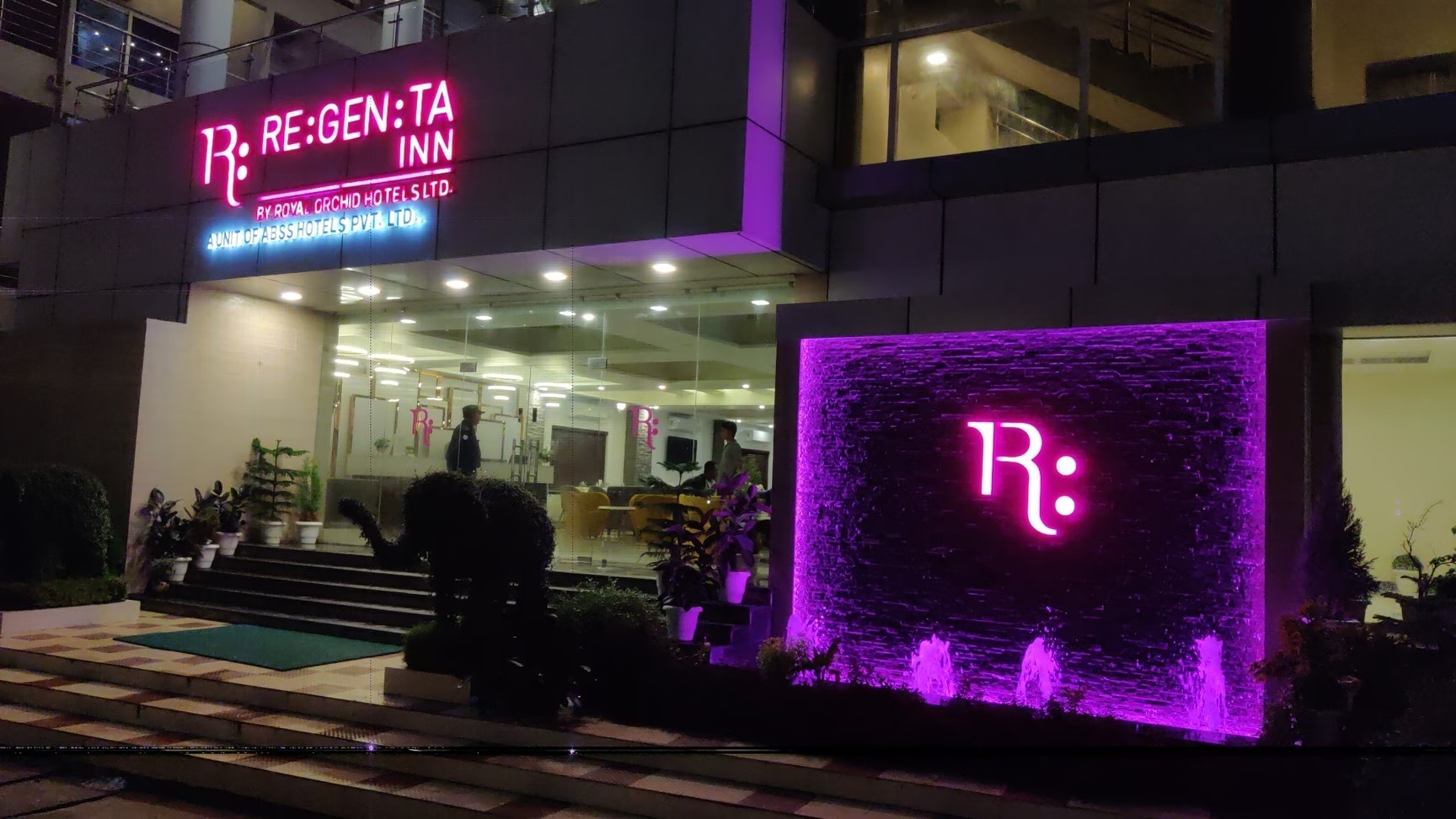
The brand matrix is structured to capture every tier of disposable income. For travelers seeking corporate prestige, they offer Royal Orchid and the new premium ICONIQA brand. Midscale corporate travelers are directed to Regenta Central, while budget-conscious variants are placed in Regenta Place or Regenta Inn.
The revenue generation mix is heavily anchored to corporate activity, with business travel contributing 57% of room revenue, followed by leisure at 33%, and micro-segments like pilgrimage and mixed “bleisure” picking up the remaining balance. The primary economic objective here is simple: build an expansive network of small, managed regional hubs that continuously funnel steady, high-margin management fees back to the corporate parent without requiring ongoing capital expenditure.
4. Financials Overview
Figures are consolidated, in ₹ crore.
Locked Performance Trend
Metric
Q4 FY26
YoY (%)
QoQ (%)
Revenue from Operations
113.17
+30.5%
+0.1%
EBITDA
31.30
+22.7%
-10.1%
PAT (After Associate)
8.21
-37.5%
-14.6%
Reported EPS (₹)
2.90
-39.5%
-11.9%
The full-year revenue statement highlights an expanding operational top-line alongside compressed accounting margins. Annual operational revenue expanded 20.2% to ₹384.2 crore, and consolidated EBITDA crossed into record territory at ₹110.6 crore. However, reported PAT fell sharply from ₹47.5 crore to ₹33.3 crore.
The disconnect stems from first-year operational adjustments at ICONIQA Mumbai. Alongside the ₹15.4 crore Ind AS non-cash headwind, the fourth-quarter profit statement absorbed a concrete cash drag: auditors disallowed the capitalization of ₹5.5 crore in pre-operating expenses, forcing a direct write-off. Combined with an earlier ₹2.0 crore write-off in the second quarter, the P&L took a raw ₹7.5 crore blow.
During the earnings conference call, management faced intense pressure regarding the lack of operating leverage. The CFO defended the execution strategy:
“The launching expense and then the marketing expense… are economically an investment though expensed under accounting standards. ICONIQA should be profitable in ’26-’27 itself on a cash basis, though reported PAT may remain negative due to the Ind AS notional impact.”
When analysts pushed for a baseline growth target for FY27, management maintained a conservative posture, outright refusing to issue formal