1. At a Glance – Steel, Sweat & Suspense
Rathi Steel & Power Ltd is currently trading at ₹22, sitting near its 52-week low of ₹21 (high ₹37.3), with a modest market cap of ₹190 crore. Over the last 3 months, the stock has corrected 21.7%, and over 6 months it’s down 14.2%. So yes — the market is not exactly throwing a steel celebration party.
But then Q3 FY26 walked in like a surprise wedding guest.
Quarterly sales jumped to ₹160 crore (+53% YoY) and PAT exploded to ₹1.91 crore (+260% YoY). Suddenly, the company is talking about record monthly sales of ₹77+ crore in January and 20% CAGR ambitions.
Yet the numbers whisper caution:
- ROE: 7.67%
- ROCE: 9.90%
- OPM: 4.28%
- Debt: ₹36.6 crore
- P/E: 20.5
- Price to Book: 1.35
This is not Tata Steel. This is a small NCR-based steel player trying to level up.
The real question is — is this a proper operational turnaround… or just one good quarter powered by “direct hot billet charging” optimism?
Let’s melt this down layer by layer.
2. Introduction – The Comeback Kid of Ghaziabad?
Incorporated in 1971, Rathi Steel has seen more ups and downs than a Delhi Metro escalator.
From heavy losses in the 2014–2020 period…
To a miraculous ₹190 crore profit year in FY21 (thanks to other income)…
To normalization…
To now — slow and steady profitability.
This company has survived:
- Debt restructuring phase
- GST demands
- Income tax notices
- PMLA proceedings (later quashed by Supreme Court)
- Temporary plant closures
- CAQM environmental shutdown
If resilience was an Olympic sport, this company would at least qualify for nationals.
But survival alone doesn’t create wealth.
Today’s version of Rathi Steel is a leaner entity:
- Debt reduced from ₹600+ crore levels to under ₹50 crore
- Steel melting shop utilization 60–65%
- Rolling mill utilization painfully low at 24%
- Aggressive push toward 80–85% utilization
Management believes direct hot billet charging into TMT mill is the game changer.
But here’s the catch.
Steel is a brutally competitive, low-margin business. If your EBITDA margin is under 5%, even a small mistake can eat your profit faster than Delhi pollution eats visibility.
So the big question:
Is this operational leverage story sustainable?
Let’s decode the business model first.
3. Business Model – WTF Do They Even Do?
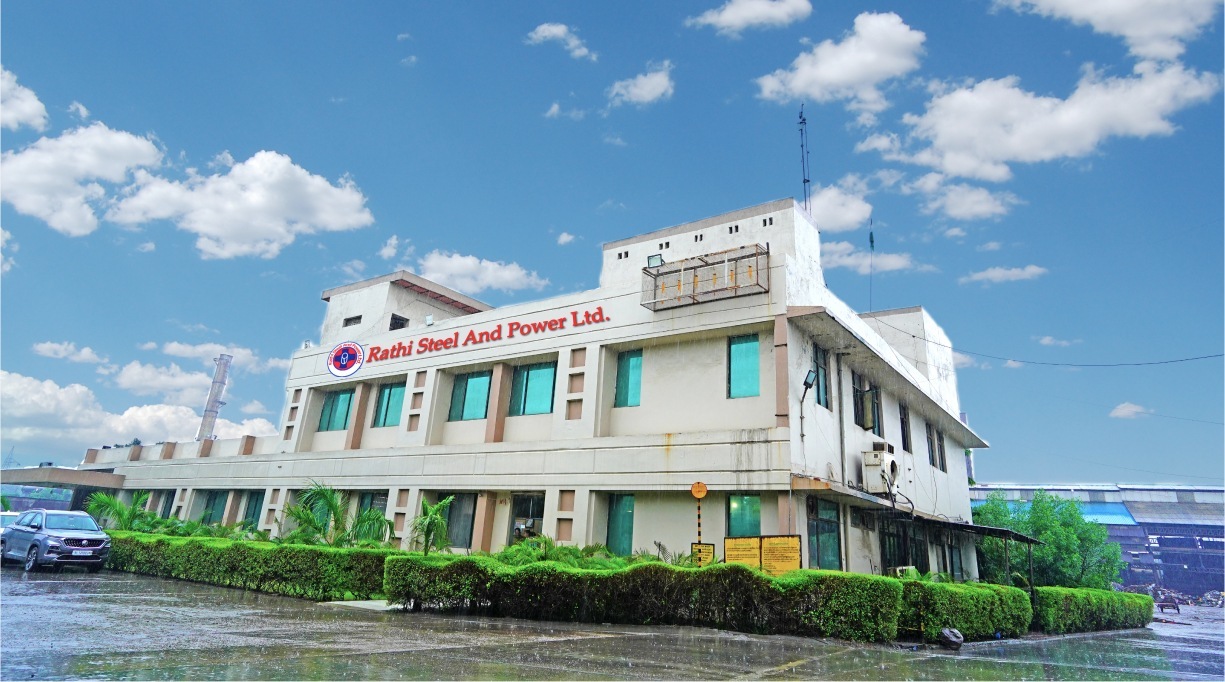
Rathi Steel operates from a 12.5-acre integrated facility in Ghaziabad (NCR).
They produce:
- Stainless Steel Billets
- Stainless Steel Wire Rods
- Mild Steel TMT Bars
- Stainless Steel Flats
Revenue mix (H1 FY26):
- 60–65% from Stainless Steel Products
- ~30% from TMT business
TMT bars are sold via:
- Dealer network (~300 dealers)
- Rathi Steel retail shops
- NCR real estate developers
Stainless steel products are largely B2B with high repeat orders (management claims 90–95% repeat).
Capacity:
- Steel Melting: 85,000 TPA (61% utilization)
- Rolling Mill: 200,000 TPA (24% utilization)
That 24% number is basically a gym membership