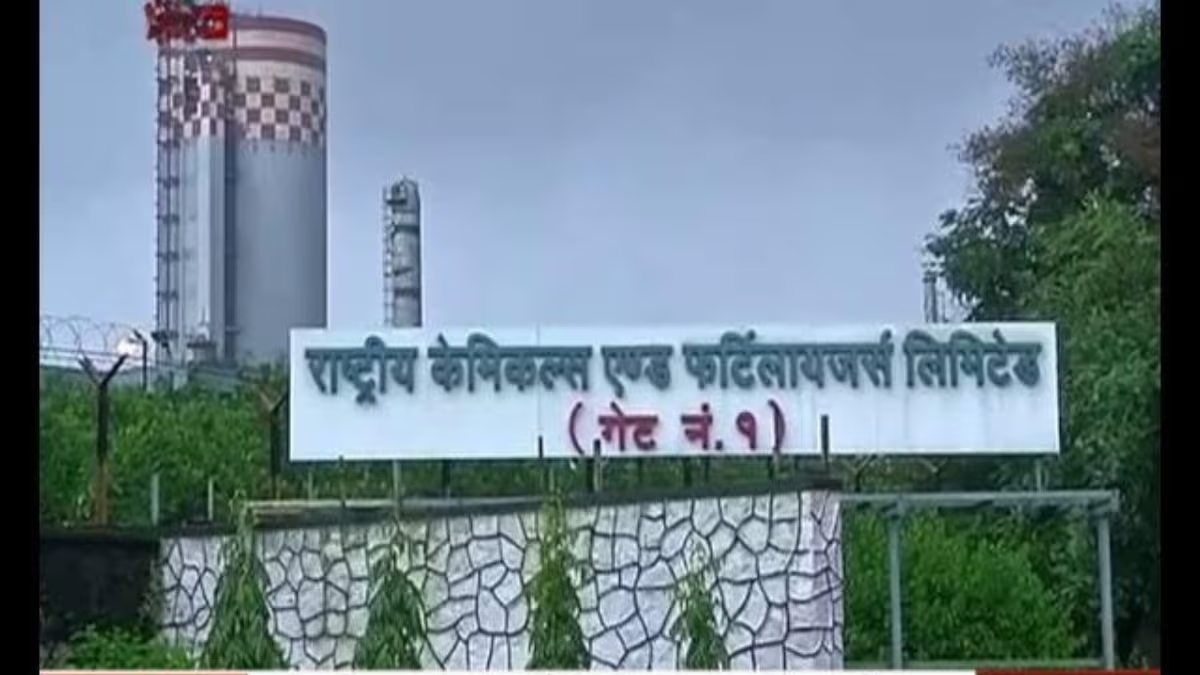
1. At a Glance – The PSU That Feeds India… and Survives on 5% Margins
Q3 FY26 (December 2025 quarter) numbers?
- Sales: ₹4,236 crore
- PAT: ₹81 crore
- Operating Margin: 6%
- EPS: ₹1.47
- Stock P/E: 23.9
- ROCE: 7.49%
- ROE: 5.03%
- Debt: ₹2,778 crore
This is India’s first fertilizer PSU to get Navratna status (Aug 2023) — basically the government saying, “Beta, you can now take bigger financial decisions without asking mummy every time.”
But here’s the twist: despite ₹16,629 crore TTM sales, the company made only ₹310 crore profit over the last 12 months. That’s a net margin of roughly 1.8%.
So the big question: Is RCF a steady compounding PSU story… or just a margin-starved commodity business with a fancy badge?
Let’s open the fertilizer sack.
2. Introduction – Subsidy, Strategy and Slightly Stressed Margins
India runs on three things: monsoon, elections, and fertilizer subsidies.
RCF sits right at that intersection.
It manufactures Urea, NPK, industrial chemicals, and trades imported fertilizers. The Government of India holds 75%, so policy winds matter more here than Wall Street sentiment.
FY23 was a blockbuster year for the entire fertilizer industry due to global price spikes. RCF clocked ₹21,452 crore sales and ₹966 crore profit.
Then reality happened.
FY24 sales dropped to ₹16,981 crore. FY25 sales stabilized at ₹16,934 crore. TTM sales are ₹16,629 crore. Profit compressed massively from ₹966 crore (FY23) to ₹242 crore (FY25).
That’s not a minor correction. That’s a margin detox.
Yet Q3 FY26 shows PAT at ₹81 crore vs ₹80 crore YoY. Stable. Boring. Predictable.
Is boring good in fertilizers? Or does it mean growth is sleeping?
And now with a ₹17,080 crore Talcher coal-based fertilizer project (via JV), plus new phosphoric acid and nano urea plants, capital allocation is