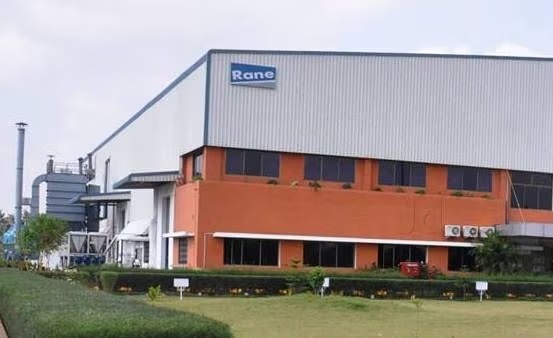
The numbers coming out of Chennai suggest a radical transformation is underway. While the automotive industry typically moves with the slow, rhythmic cycle of macroeconomics, Rane (Madras) Ltd (RML) has just reported a Net Profit growth that looks more like a typo than a financial result: a staggering 7645.3% YoY increase in PAT for Q3 FY26.
But behind the sensational percentage lies a story of aggressive deleveraging and a “clean-up” act that would make a forensic auditor nod in approval. The company is finally shedding the weight of its loss-making past—specifically its disastrous US venture—and is now pivoting toward a leaner, more diversified structure. With a consolidated revenue of ₹1,019.1 crore this quarter, RML is no longer just a steering linkages player; it is an integrated auto component behemoth emerging from a complex merger.
However, investors should be wary. Much of the bottom-line “magic” this year is fueled by the sale of non-core land assets in Velachery, a move that provides a one-time cushion to a balance sheet that has historically been stretched. The real test is whether the operating margins, currently hovering at 9.3%, can break into the double-digit territory management has promised.
1. At a Glance
The financial profile of this company is a study in contrasts. On one hand, you have a market leader in steering gears with deep-rooted relationships with every major OEM from Hyundai to Tata Motors. On the other, you have a legacy of “dipped-in-red” international subsidiaries that have gobbled up nearly ₹450–500 crore of capital over the last decade without returning a single paisa in profit.
The red flags are hard to ignore. For years, the US-based subsidiary, RLMC, was an albatross around the company’s neck, incurring annual losses of ₹40–50 crore. The divestment in late 2023 was a “cut-the-limb-to-save-the-body” moment, leading to massive impairments of ₹223 crore and ₹122 crore.
Current investors are betting on the “New RML”—a post-merger entity that has absorbed Rane Engine Valve and Rane Brake Linings. While this adds massive scale, it also brings integration risks. The debt, though reducing, remains substantial at ₹796 crore (as of June 2025). The company is literally selling the ground beneath its feet—₹361 crore worth of land in Velachery—just to keep interest costs from eating the business alive.
Is this a genuine turnaround or a desperate fire sale to mask mediocre operating efficiency? The answer lies in the synergy capture. Management claims a 1% margin uplift is a “sure possibility,” but in the ruthless world of auto-component pricing, nothing is ever sure.
2. Introduction
Rane (Madras) Limited is the flagship arm of the Rane Group, a Chennai-based conglomerate that has been the backbone of the Indian automotive supply chain since 1960. For decades, they were known for one thing: making sure your car actually turned when you moved the steering wheel.
Today, the company is in the middle of its most significant metamorphosis. By merging two other group entities into itself, RML has tripled its product portfolio. It now produces everything from engine valves to friction materials and high-pressure die castings.
The business operates through 17 manufacturing facilities, including a strategic beachhead in Mexico aimed at the North American market. With a client list that reads like a “Who’s Who” of the global auto industry—including Maruti Suzuki, Kia, and John Deere—the company’s reach is undeniable.
Yet, the stock has often traded at a discount to its peers. Why? Because complexity usually breeds inefficiency. The recent merger is an attempt to solve this by creating a “one-stop-shop” for OEMs, but it also creates a massive administrative and operational