General information and entertainment, not investment advice. The author is not a SEBI-registered adviser or research analyst. No recommendation, no promised returns. Markets carry risk including loss of capital. Figures may not be current. Consult a registered adviser before acting.
1. At a Glance
Rana Sugars closed FY26 with revenue of ₹1,743 Cr, up 1.8% over FY25’s ₹1,713 Cr — the sort of growth that barely clears the rounding error. Underneath that flat top line, the operating engine cooled sharply: operating profit fell to ₹41 Cr from ₹75 Cr, and the operating margin thinned to 2.3%, down from 13% as recently as FY22.
The number that frames the whole year sits one row lower. Other income came in at ₹63 Cr — larger than the ₹41 Cr the actual sugar-power-ethanol business generated in operating profit. Reported net profit of ₹23.81 Cr therefore rests more on non-operating lines than on cane crushed. A profit-and-loss statement where the operations are the supporting act is unusual enough to hold attention.
The balance sheet moved the other way: borrowings dropped to ₹321 Cr from ₹435 Cr, the cleanest line in the file. And hanging over all of it are ongoing SEBI, Enforcement Directorate and Income Tax proceedings, with the credit rating parked on watch. The record for FY26 is a company shrinking its debt while its earnings quality quietly hollows out. Which of those two facts will decide the next chapter?
2. Introduction
Incorporated in 1991, Rana Sugars is part of the Rana Group, formed originally as a joint venture with Punjab Agro Industrial Corporation. It runs an integrated sugar operation across Punjab and Uttar Pradesh, with sugarcane crushing capacity of 20,500 tonnes per day spread over units at Buttar (Amritsar), Moradabad and Rampur.
The FY26 results, approved by the board on 29 May 2026, carried an unmodified audit opinion from Ashwani K. Gupta & Associates. That clean opinion sits alongside a busier legal file than most integrated sugar mills carry.
Over roughly fifteen months to November 2025, RSL and its promoters faced search and seizure action from SEBI, the ED and the Income Tax Department. A SEBI order dated 27 August 2024 alleged that the company, along with promoter directors and family members, diverted funds to promoter-group companies over FY15–FY21; RSL appealed to the Securities Appellate Tribunal and secured a stay against coercive action, with the matter listed for hearing. The ED separately seized immovable property worth ₹22.02 Cr under FEMA. These are the events the year was built around — recorded here as facts, with the outcomes still unascertained.
3. Business Model: WTF Do They Even Do?
Three products, one stalk. Sugarcane goes in; sugar, power and alcohol come out, and the model’s whole pitch is that nothing is wasted.
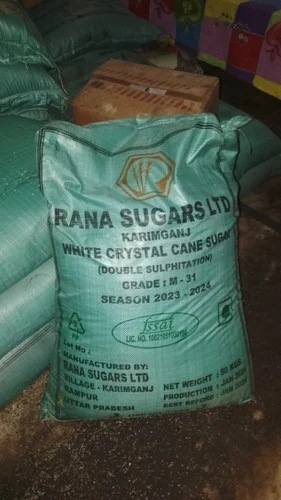
Sugar is the headline — refined white, plantation white, raw, and beet sugar — and in FY26 it contributed ₹900 Cr of segment revenue. But sugar was also the segment that bled, posting a segment loss before interest of ₹47 Cr for the year. The bagasse left over from crushing feeds a 102 MW cogeneration plant, whose surplus power is sold to the Punjab and UP state grids under long-term Power Purchase Agreements. Power turned in ₹165 Cr of revenue and a ₹47 Cr segment profit — the quiet room in the house that actually pays rent.
Distillery is now the growth story management leans on: ethanol and alcohol, including Rectified Spirit and Extra Neutral Alcohol, plus a market-leading position in Punjab Medium Liquor. Distillery revenue reached ₹904 Cr in FY26, running neck-and-neck with sugar on the top line and out-earning it on segment result at ₹74 Cr. Sugar beet pulp gets sold off as cattle feed, because in an integrated mill even the leftovers have a price list.
The integration works exactly as designed — the profitable by-products carry the cyclical core. In FY26 that meant power and ethanol quietly covered for a sugar segment that couldn’t cover itself. Does a diversified by-product base fix a loss-making core segment, or just