Rama Phosphates Ltd Q3 FY26 Results: ₹238 Cr Quarterly Revenue, PAT Rockets 283% YoY, EPS ₹3.96 – Revival or Just One Good Monsoon?
1. At a Glance – Blink and You’ll Miss the Turnaround
Rama Phosphates Ltd, a name that spent years quietly sitting in the “cyclical, boring, subsidy-dependent” corner, suddenly woke up in Q3 FY26 and chose violence — the good kind, the balance-sheet-cleansing kind. With a market cap of around ₹649 crore and a stock price hovering near ₹185, this fertiliser-and-chemicals veteran just posted quarterly sales of ₹238 crore with a net profit of ₹14 crore. That’s not typo money; that’s a 283% YoY profit jump, the kind that makes screeners blush and Telegram channels foam at the mouth.
Debt is down to ₹103 crore, debt-to-equity sits at a modest 0.26, promoters are holding a chunky 75% stake, and the company is no longer in the ICU of CDR. ROCE is still a sleepy 7.81% and ROE is a grandma-like 3.77%, but hey — at least grandma is alive and walking. Over the last one year, the stock is up nearly 80%, which tells you the market noticed something before most investors finished complaining about fertiliser subsidies.
The big question: is this a genuine operational revival backed by capacity expansion and margin repair, or just one good quarter powered by subsidies, timing, and a friendly monsoon? Grab some chai, because this one’s layered.
2. Introduction – From CDR PTSD to Cautious Optimism
If Rama Phosphates were a Bollywood character, it would be that side actor who disappears for five movies and suddenly reappears with a glow-up and a gym body. Incorporated in 1982, the company has lived through fertiliser cycles, policy flip-flops, debt stress, and that dark phase where lenders sit across the table smiling politely while sharpening knives.
FY23 was a turning point — lenders exited CDR, promoters de-pledged a big chunk of shares, and management finally started speaking the language of cash flows instead of excuses. Fast forward to FY25 and FY26, and you see a company that is still small, still cyclical, but visibly more disciplined.
The fertiliser business in India is not for the faint-hearted. You deal with government subsidies that arrive late, raw material prices that don’t ask permission, and margins that can disappear faster than free samosas at an AGM. Yet, Rama Phosphates has quietly kept its SSP (Single Super Phosphate) dominance intact while using sulphuric acid and soya by-products to cross-subsidise the pain.
So no, this is not a “multibagger confirmed” fairy tale. This is a slow, bruised, operational comeback story, where execution matters more than narratives. And yes — the numbers finally show signs of life.
3. Business Model – WTF Do They Even Do?
Let’s simplify Rama Phosphates without pretending it’s a rocket science startup.
At its core, the company does three things:
Makes fertilisers farmers actually use
Produces chemicals that feed into both internal and external demand
Runs a soya oil and de-oiled cake business that behaves like a moody cousin
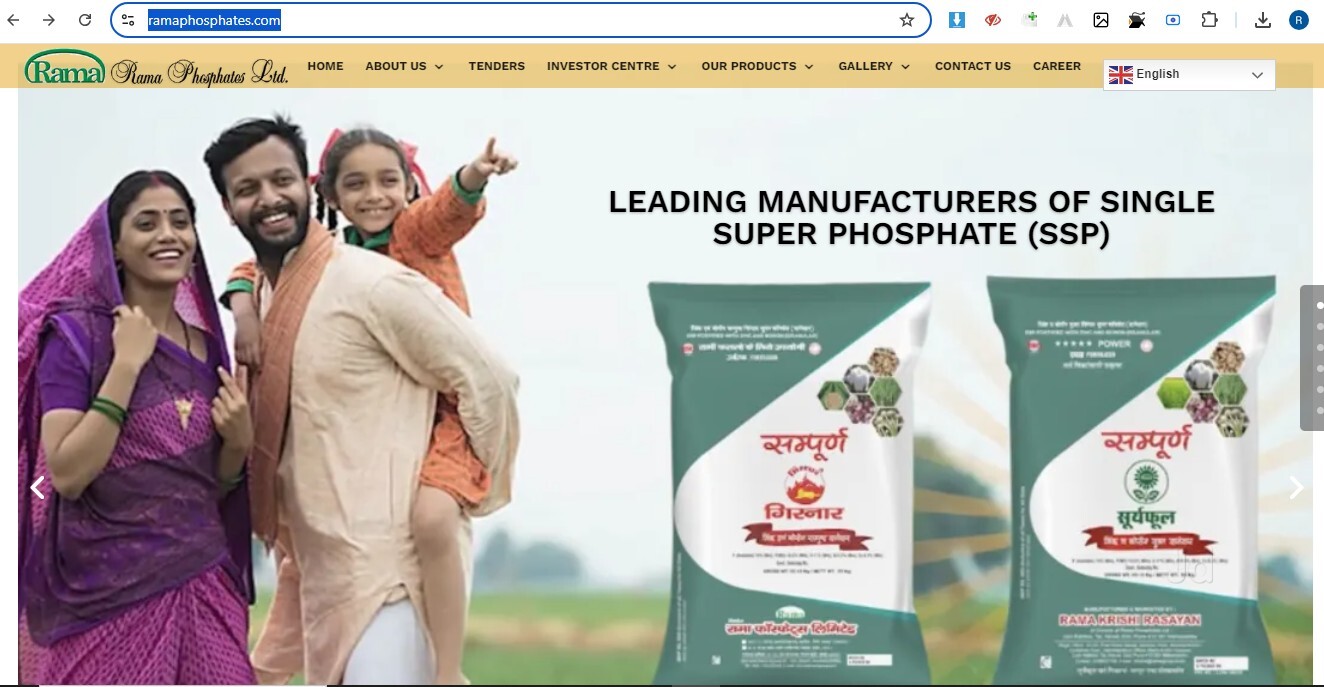
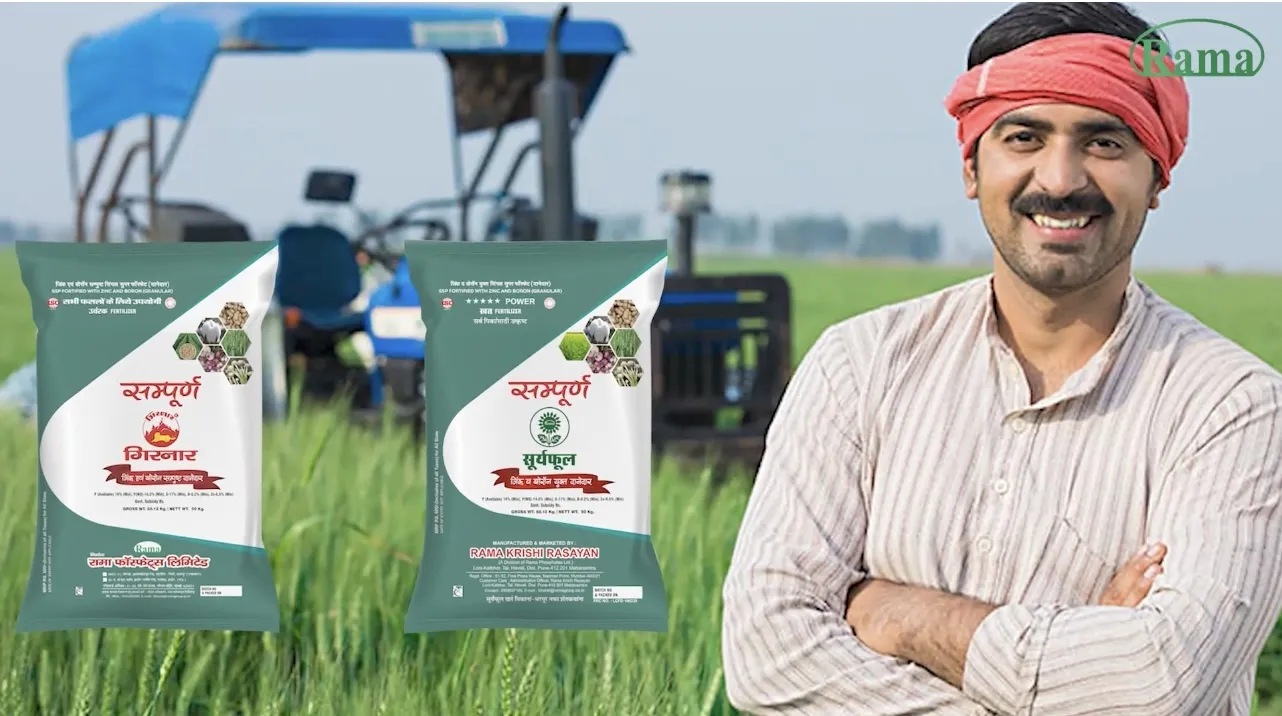
The backbone is Single Super Phosphate (SSP) — fortified with zinc and boron, sold under brands like Girnar and Suryaphool. This is old-school fertiliser, not fancy DAP, but it’s cheaper, widely accepted, and heavily linked to subsidy economics.
Then comes sulphuric acid and oleum, produced partly for captive consumption and partly sold externally. This chemical segment is boring, corrosive, and cash-generative when run well — exactly what you want supporting a subsidy-heavy fertiliser business.