Pyramid Technoplast Ltd Q3 FY26 – ₹161 Cr Sales, ₹4.74 Cr PAT, 30% Profit Crash & 22.7 P/E… Is This Packaging or Pressure Cooker?
1. At a Glance – Plastic Ka King Ya Margin Ka Victim?
Pyramid Technoplast Ltd is currently trading at ₹157 with a market cap of ₹577 Cr, a P/E of 22.7, and a Price-to-Book of 2.20. Over the last 3 months? A modest 2.84% return. Over 1 year? Down 7.77%. Investors basically said, “Achha hai… but not wow.”
Latest Q3 FY26 numbers (December 2025 quarter):
Revenue: ₹161.49 Cr
PAT: ₹4.74 Cr
EPS: ₹1.29
QoQ Sales Growth: Positive
QoQ Profit Growth: Negative and dramatic
Quarterly profit fell 30.2% YoY, while sales grew just 5.31% YoY. That’s like increasing your gym membership but losing muscle.
ROCE stands at 14%, ROE at 11.2%, Debt-to-Equity at 0.54, and dividend yield at a polite 0.32%.
So here’s the drama:
Revenue steady.
Margins compressing.
Debt rising sharply.
Capex heavy.
Solar project ongoing.
Recycling plant coming up.
Is this a packaging powerhouse in the making… or a company stretching itself thinner than plastic wrap?
Let’s unwrap this carefully.
2. Introduction – From Drums to Drama
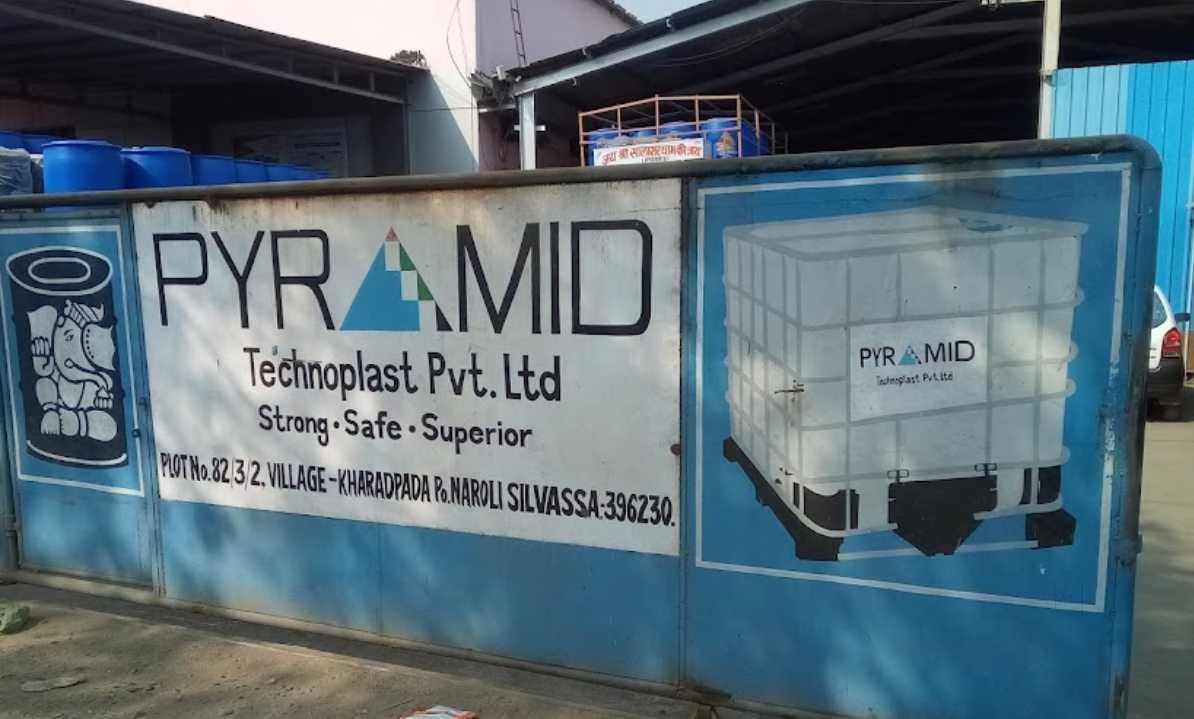
Founded in 1997, Pyramid Technoplast isn’t your average plastic company. This isn’t Tupperware for your kitchen. This is industrial-grade packaging – drums, barrels, IBC containers – the kind of stuff that chemical giants store their explosive liquids in.
And business looks decent on the surface:
₹657 Cr TTM Sales
5-year Sales CAGR: 18%
5-year Profit CAGR: 37%
Impressive? Yes.
But recent performance tells a different story:
3-year profit growth: almost flat.
TTM profit growth: negative.
ROCE sliding from 31% (FY22) to 14% (FY25).
Something changed.
And then comes the capex spree:
Recycling plant
Wada expansion
15.25 MW solar power project (₹60 Cr investment)
Sounds ambitious.
But ambition funded with debt becomes interesting. And sometimes… dangerous.
Question for you: If profit is falling but capex is rising, what exactly are we building here – capacity or pressure?
3. Business Model – WTF Do They Even Do?
Imagine this:
A chemical company produces 1,000 liters of hazardous liquid. Where does it store it?
In Pyramid’s containers.
The company manufactures:
1️ Plastic Barrels (20–250 liters)
HDPE drums for chemicals, agrochemicals, pharma.
2️ IBC Containers (1,000 liters)
Large bulk storage tanks. Revenue contributor: 37% (H1 FY26)
3️ MS Drums (200–210 liters)
4️ Backward Integration
They make their own caps, lids, handles. They recycle plastic in-house. They are now investing in solar.
This is a classic “control the supply chain” strategy.