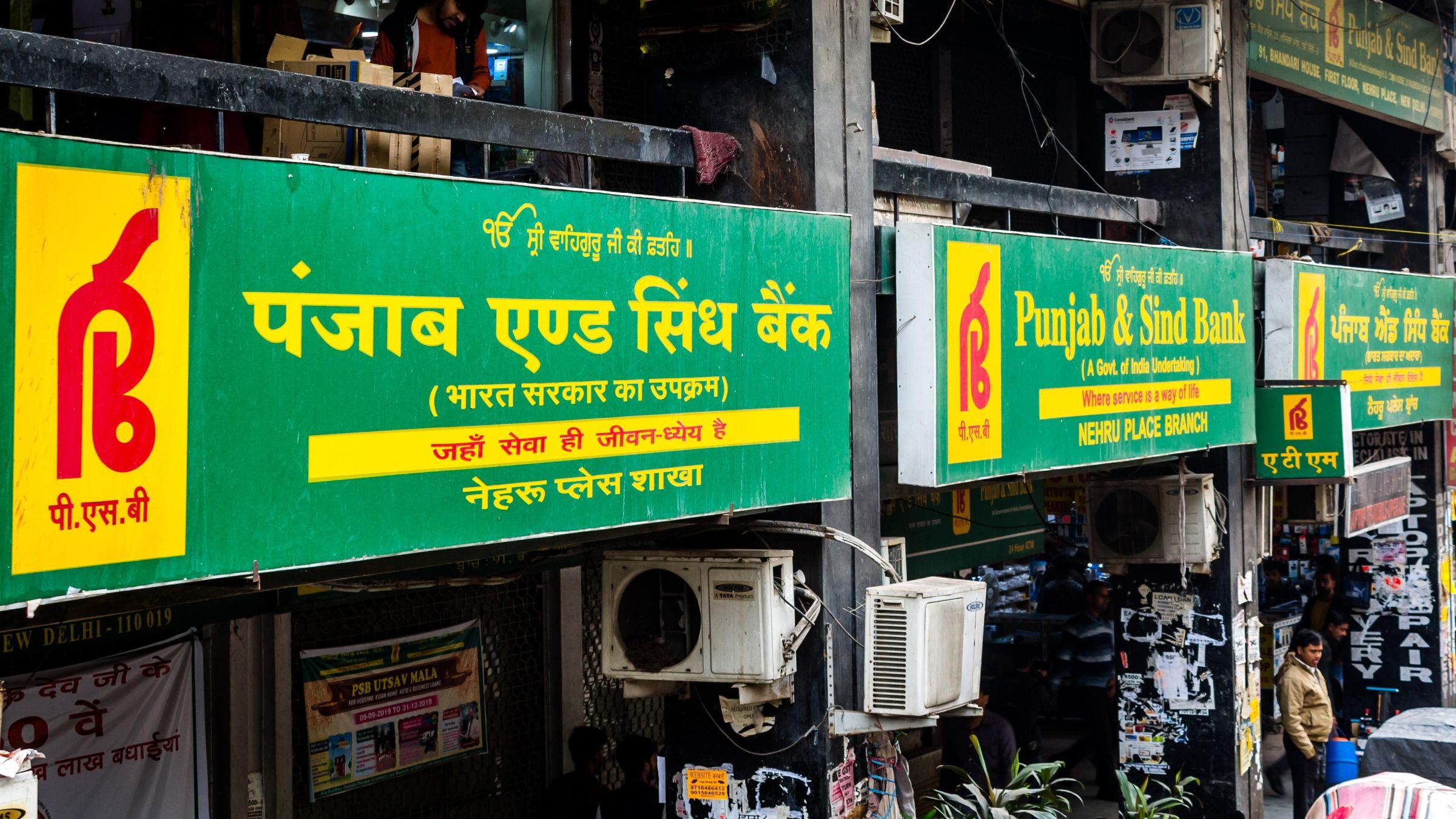
1. At a Glance
Some stories deserve Bollywood remakes; Punjab & Sind Bank’s FY25–FY26 transformation is one of them. A PSU bank that was once allergic to profits has suddenly discovered performance metrics. As of Q2FY26, this Delhi-headquartered government-owned bank, trading at ₹30.8, sports a market cap of ₹21,847 crore, a modest 3-month return of –1%, and a one-year crash of –41% — classic PSU hangover symptoms.
But here’s where it gets spicy: quarterly revenue at ₹2,999 crore (up 9.5% YoY) and PAT at ₹295 crore (up 22.9% YoY). Gross NPAs have fallen below 3% (hallelujah, RBI is smiling), and the slippage ratio is down to 0.76%. The Net Interest Margin (NIM) has stabilised at 2.7%, proving that someone finally remembered interest income isn’t optional.
Yet, with a P/E of 18.9x and ROE at 7.03%, it’s not breaking any valuation records. But for a bank that used to be the underdog of the PSU pit, it now looks more like the class topper in remedial class.
2. Introduction – The Comeback Nobody Expected
If PSU banks were a family, Punjab & Sind Bank would be that distant cousin who once lost all the wedding money but now shows up in a new blazer, acting financially responsible. Once a chronic loss-maker, this century-old institution has reinvented itself through tighter lending discipline, improved digital offerings, and fewer “creative accounting” experiments.
The market, however, hasn’t sent thank-you notes yet. The stock has been languishing around ₹30, way below its FY25 peak of ₹56. While larger PSBs like SBI and Canara are out flexing balance sheets and dividends, PSB is still polishing its shoes for the next board meeting.
Still, the turnaround story has meat: asset quality has improved drastically, NPAs are at their lowest in a decade, digital adoption is near 92%, and new retail and MSME loan growth is showing legs. The bank even signed MoUs with the Indian Navy and Assam Rifles — not for defense loans, but for salary packages (safe business, less drama).
Can it sustain the clean-up and join the big PSU club, or will it relapse into its old “Public Sector Sleep Bank” avatar? Let’s audit that thought.
3. Business Model – WTF Do They Even Do?
Punjab & Sind Bank’s core business remains gloriously traditional — collect deposits, lend to the brave and the creditworthy (preferably not both at once), and occasionally dabble in treasury profits.
Segment Breakdown (9M FY25):
- Corporate Banking: 38% – where big loans mean big headaches but also big interest income.
- Retail Banking: 32% – home, auto, and personal loans for the working class who still trust PSU tellers.
- Treasury: 29% – the respectable gambling department, managing investments and government securities.
- Others: 1% – possibly includes tea, biscuits, and miscellaneous income.
In other words, it’s a middle-aged PSU doing yoga to fix its financial flexibility. The focus shift from large corporate NPAs to secured retail and MSME lending is paying off. Recovery of ₹3,000+ crore and