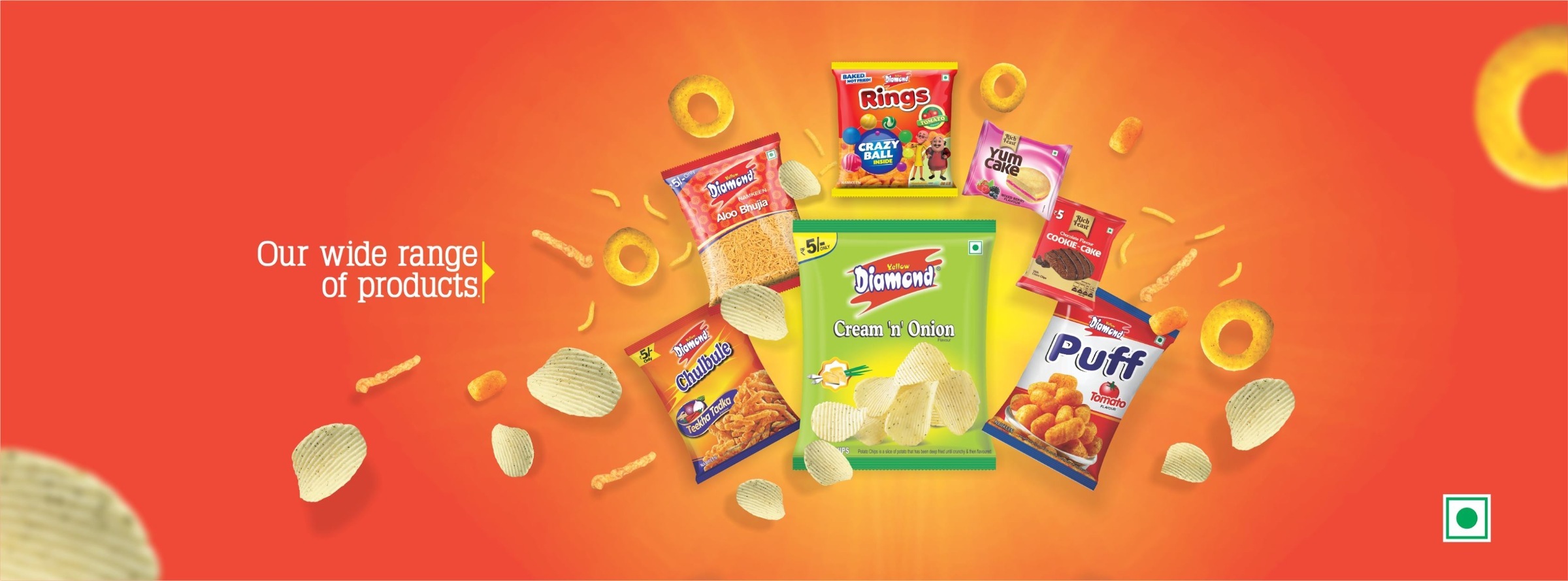
1. At a Glance – A Snack Company Trying to Graduate Into a Compounding FMCG
There are boring food companies. There are glamorous FMCG giants. And then there is Prataap Snacks — a company that often looks like it is fighting a street-food war with balance sheet discipline borrowed from a manufacturing business.
That makes it interesting.
This is not a typical “high-margin premium consumer brand” story like Nestlé India or Britannia Industries. This is a value-snacks battlefield where 5 rupee packets decide market share.
And that battlefield is brutal.
Yet FY26 produced something investors have not seen in a while:
- Revenue crossed ₹1,724 crore.
- EBITDA rose 68% YoY.
- PAT moved from loss to profit.
- Debt fell to just ₹45 crore.
- Working capital remains lean.
- Management is talking double-digit growth for FY27.
- And then came the provocative part — a ₹425 crore greenfield plant when capacity utilization is only ~60%.
That last part deserves suspicion.
Why add major capacity when current utilization is modest?
Because either:
- Management sees demand inflection before market does.
Or,
- Management is overbuilding.
That is where the detective work begins.
This business sells roughly 12 million packets daily. That sounds massive until you realize the Indian packaged snacks market is a knife fight with giants, local brands, and inflation.
Palm oil rises? Margins collapse.
Potato prices jump? Earnings disappear.
One Jammu fire? ₹34 crore gone.
Yet despite all that, Prataap survived FY25’s disaster year and posted recovery in FY26.
That matters.
Because turnarounds in consumer businesses can be powerful — if operational leverage kicks in.
And management has started walking some of what they talked in prior con-calls:
- Alternate channels (quick commerce, exports, modern trade): being scaled.
- Margin recovery levers: visible.
- Cost rationalisation: showing up.
- Capacity consolidation in Indore: moving ahead.
- North India production shift toward in-house: in progress.
For once, the talk has some footsteps.
But let us not romanticize potato chips.
Current ROE is 1.54%.
ROCE only 3.08%.
Stock P/E 226.
That valuation is pricing hope, not performance.
Question for readers:
Is market discounting a consumer turnaround early… or paying gourmet multiples for namkeen economics?
That is the puzzle.
2. Introduction – The Strange Case of the Expensive Low-Return Snack Maker
At first glance, Prataap Snacks looks contradictory.
Cheap snacks.
Expensive stock.
Low returns.
High valuation.
Weak historical profits.
But growing distribution moat.
That contradiction is why this gets interesting.
The market often rerates consumer companies before margins fully show up.
Sometimes correctly.
Sometimes foolishly.
Prataap seems to be trying to move from “regional snack operator with periodic margin accidents” toward “scaled branded FMCG.”
That transition is hard.
Ask anyone who has tried taking on Bikaji Foods or global snack giants.
The big shift in ownership also matters.
Authum’s acquisition of 47.54% stake was not casual portfolio buying.
Control changes usually imply some capital allocation agenda.
And then soon after:
- Indore mega-plant.
- Margin roadmap.
- Efficiency agenda.
- Tech-driven execution.
- Emerging