At a Glance
The fashion jewellery market is a brutal arena where brands usually die in the “marketing burn” phase. Most players spend millions to acquire a customer, only to realize their margins are thinner than the silver they sell. But then there is a quiet predator in the SME space that is doing the opposite. This company isn’t just selling earrings; it is weaponizing a 193-year-old legacy to bypass the typical cash-burn cycle that kills startups.
While the “new-age” competitors are bleeding red ink—one peer literally reported a ₹58 crore loss—this entity is sitting on PAT margins of over 21%. It is a rare beast: a high-growth retail play that actually makes money from day one. Investors are waking up to a business that expanded its footprint to 126 points of sale by February 2026, blowing past its own targets.
But don’t let the shiny surfaces fool you. There are red flags that demand an auditor’s eye. The promoter holding has seen a 4.72% dip over the last three years. Despite the mountain of cash and consistent profits, the dividend yield remains a flat 0.00%. The market is pricing this at a P/E of 30.0, which isn’t exactly “cheap” for an SME-listed stock, even if it is planning a migration to the Main Board by September 2026.
The real intrigue lies in the “one-time” noise. Last year, the revenue was inflated by a ₹25.74 crore inventory shift during a model change. If you strip that away, the underlying growth is north of 50%. Is this a genuine multibagger in the making, or is the transition from a Maharashtra-heavy base to a pan-India model going to dilute the very efficiency that makes it attractive?
The game is changing from 925 Silver to 14KT Diamonds, and the stakes have never been higher.
Introduction
PNGS Gargi Fashion Jewellery is not your typical jewelry trader. It is a calculated spin-off designed to capture the “bridge-to-luxury” segment that the traditional heavy-gold players usually ignore. The company specializes in 92.5% certified sterling silver, brass, and copper jewellery, but it has recently pivoted into the high-margin 14 Carat Gold and Natural Diamond segment.
The strategy is simple but aggressive: use the trust of the P.N. Gadgil & Sons parentage to occupy shelf space in premium locations like Shoppers Stop and then scale via an asset-light franchise model. By February 2026, the company had reached 121 points of sale, and by the end of March 2026, that number hit 126.
We are looking at a business that is currently in the “sweet spot” of retail expansion. It has enough scale to command manufacturing efficiencies but is still small enough that every new store significantly moves the needle on the top line. The management has guided for a 35–40% revenue growth over the next few years, targeting the ₹200 crore B2C revenue mark by FY28.
However, the rapid expansion brings a shift in the balance sheet. Marketing spends are doubling, and the product mix is shifting toward diamonds, which carry a different margin profile than silver. The company is at a crossroads where it must prove it can replicate its Pune success in North and South India without losing its soul—or its margins.
Business Model – WTF Do They Even Do?
Think of them as the “Zara” of the Indian jewelry world. They don’t want you to buy a heavy wedding necklace once a decade; they want you to buy a silver ring or a diamond pendant every time you get a paycheck. It’s a high-frequency, impulse-buy model.
They operate a Hybrid Marketing Model. This means they don’t just wait for you to walk into a standalone store. They find you where you already are.
- SIS (Shop-in-Shop): They are inside 54 locations like Shoppers Stop and parent PNGS stores.
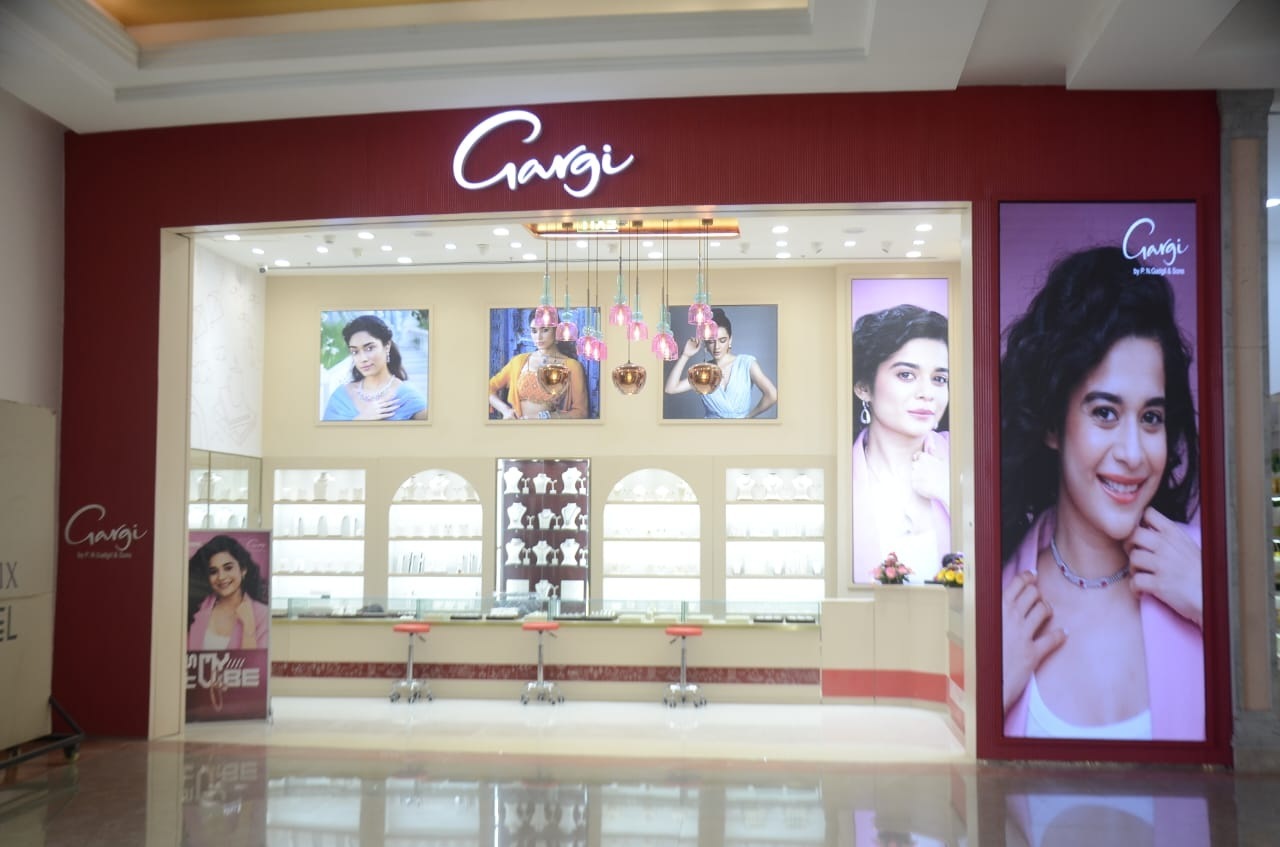
- EBO (Exclusive Brand Outlets): They have 38 dedicated stores for the “full experience.”
- Franchise (FOFO/FOCO): They let others put up the capital for inventory while they provide the brand and the designs.
The genius (and the roast) is in the sourcing. They don’t actually make most of this stuff themselves. They use third-party