Piotex Industries Ltd H1 FY26: ₹66.7 Cr Quarterly Sales, 1.99% OPM & a -95% Profit Mood Swing – Cotton Bale Drama in Full HD
1. At a Glance – Blink and You’ll Miss the Margin
Piotex Industries Limited is that classic Indian SME story where turnover walks in wearing sunglasses and profit tiptoes behind wearing slippers. With a market cap of roughly ₹30.6 crore and a current price hovering around ₹60, this five-year-old textile trader has managed to clock annual sales of about ₹135 crore while operating on operating margins that look like they were put on a strict diet. The most recent half-yearly results show quarterly sales of ₹66.7 crore, yet PAT collapsed to a microscopic ₹0.08 crore, a brutal -95% QoQ swing that feels less like volatility and more like emotional whiplash. ROCE sits at a respectable 23.9%, ROE at 19.3%, and debt is almost negligible, but the real plot twist is how a company doing triple-digit crores in revenue manages to generate profits that barely buy samosas for the boardroom. Three-month returns are negative, six-month returns are positive, and one-year returns are disappointing—basically Piotex’s stock chart has the personality of a confused trader on expiry day. Intrigued? Good, because the real masala starts now.
2. Introduction – Welcome to the Cotton Bazaar
Founded in 2019, Piotex Industries Limited operates in the wonderfully chaotic world of cotton bales, yarns, and fabrics—an industry where prices fluctuate faster than WhatsApp forwards during budget season. Piotex isn’t a glamorous brand exporter or a fancy textile innovator. It is a trader-cum-contract manufacturer that plays middleman between cotton suppliers, yarn producers, and fabric buyers, mostly concentrated in Maharashtra.
This is not a story of capex-heavy spinning mills or automation-driven textile parks. This is a story of hustle, working capital cycles, and razor-thin margins where survival depends on volume, relationships, and the ability to rotate cash without choking. Piotex’s business model thrives on movement—cotton bales in, yarn out, fabric back—and any disruption in prices, demand, or receivables hits profitability straight in the solar plexus.
What makes Piotex interesting is not scale, innovation, or branding. It is interesting because it is a live case study of how SME textile trading really works in India: high revenue, low margins, customer concentration risks, and balance sheets that look clean until cash flows open their mouth. So the question is simple: is Piotex a disciplined cotton operator playing a tough game well, or just another turnover monster one bad season away from indigestion?
3. Business Model – WTF Do They Even Do?
Let’s simplify Piotex without insulting your intelligence. The company has three revenue streams: cotton bales, cotton yarn, and cotton fabric. Cotton bales alone contribute about 76.5% of FY24 revenue. Translation: Piotex is primarily a cotton trader, not a value-added textile wizard. Cotton yarn adds another 23%, while fabric is basically pocket change at 0.5%.
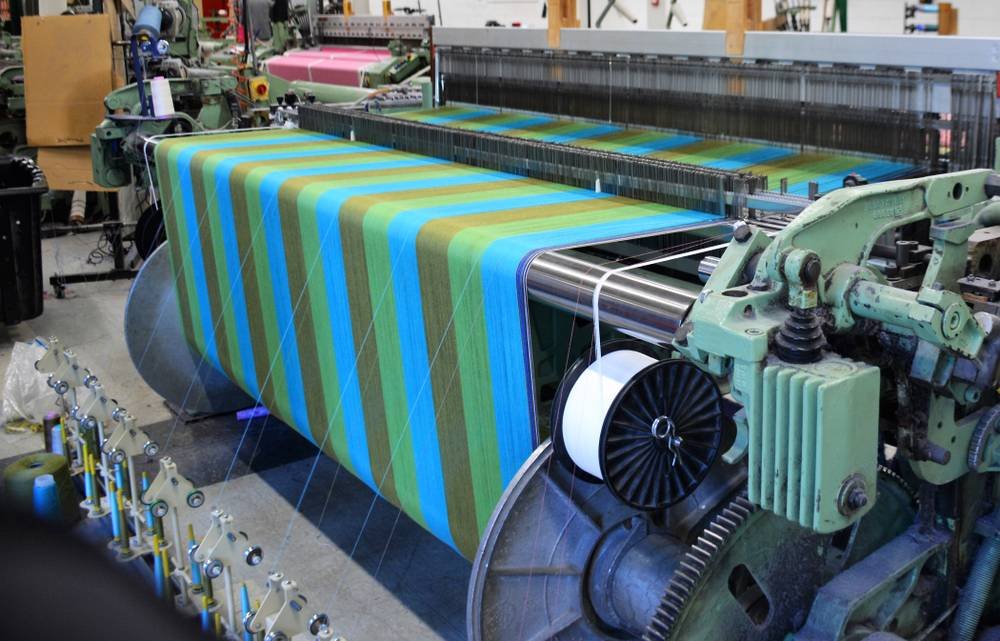
The company operates across textile hubs like Malegaon, Ichalkaranji, and Bhiwandi, supplying yarn to weaving clusters and contract workers. Under its contract weaving model, Piotex supplies yarn to third-party weavers who convert it into fabric at an agreed price and return the finished goods. Piotex then sells the fabric onward. This keeps capex low and asset intensity minimal, but it also ensures margins remain thin because everyone in the chain wants their cut.
There’s also an exclusive distribution agreement for cotton yarn with Babasaheb Deshmukh Industries Private Limited, which sounds impressive until you realize exclusivity only matters if pricing