1. At a Glance
PIL Italica Lifestyle Limited is currently navigating a period of significant transition that has caught the eye of the market, but perhaps not for the reasons the management would like to highlight. On one hand, the company has successfully breached the ₹100 crore revenue ceiling, clocking in a total income of ₹108.34 crore for FY26. On the other hand, the bottom line tells a story of stagnation. Despite the growth in scale, the Profit After Tax (PAT) has actually dropped from ₹5.24 crore in FY25 to ₹4.49 crore in FY26. This disconnect between top-line expansion and bottom-line contraction is a glaring red flag for anyone looking at the efficiency of their operations.
Investors are watching a company that is aggressively expanding its physical footprint while its margins are under siege. The EBITDA margin has eroded from 9.96% in FY25 to 8.59% in FY26. This isn’t just a minor slip; it represents a significant loss in pricing power or an inability to manage rising costs. The company is currently trading at a P/E of over 48, which is more than double the industry median of 21.2. This high valuation is being slapped on a business that is struggling to grow its profits in line with its sales.
Furthermore, the company’s historical baggage is hard to ignore. Formerly known as Peacock Industries, it was a BIFR (Board for Industrial and Financial Reconstruction) “sick” unit for nearly two decades before exiting in 2017. While the recovery is commendable, the current financial trajectory suggests a plateau. The management is doubling down on capex, planning a ₹25 crore investment to increase capacity by 1,600 MTPA, yet the current capacity utilization remains a question mark.
The balance sheet shows a heavy reliance on “Other Assets,” which includes substantial loans and advances to third parties. While the company claims to be recovering these, the fact that a furniture manufacturer is acting as a quasi-financier is a distraction that adds a layer of risk. Can a company with a low ROE of 5.5% justify its premium valuation while its profit growth is negative at -5.47%? The market seems to be pricing in a turnaround that the current quarterly numbers are failing to validate.
2. Introduction
PIL Italica Lifestyle Limited, headquartered in the scenic city of Udaipur, is a veteran in the plastic molded furniture industry. Established in 1992, the company has spent a significant portion of its existence under financial rehabilitation, a ghost that it only officially shook off in early 2017. Today, it positions itself as a lifestyle furniture provider, moving beyond the humble plastic chair into more premium segments like the “Spine Care Series” and “Luxury Series.”
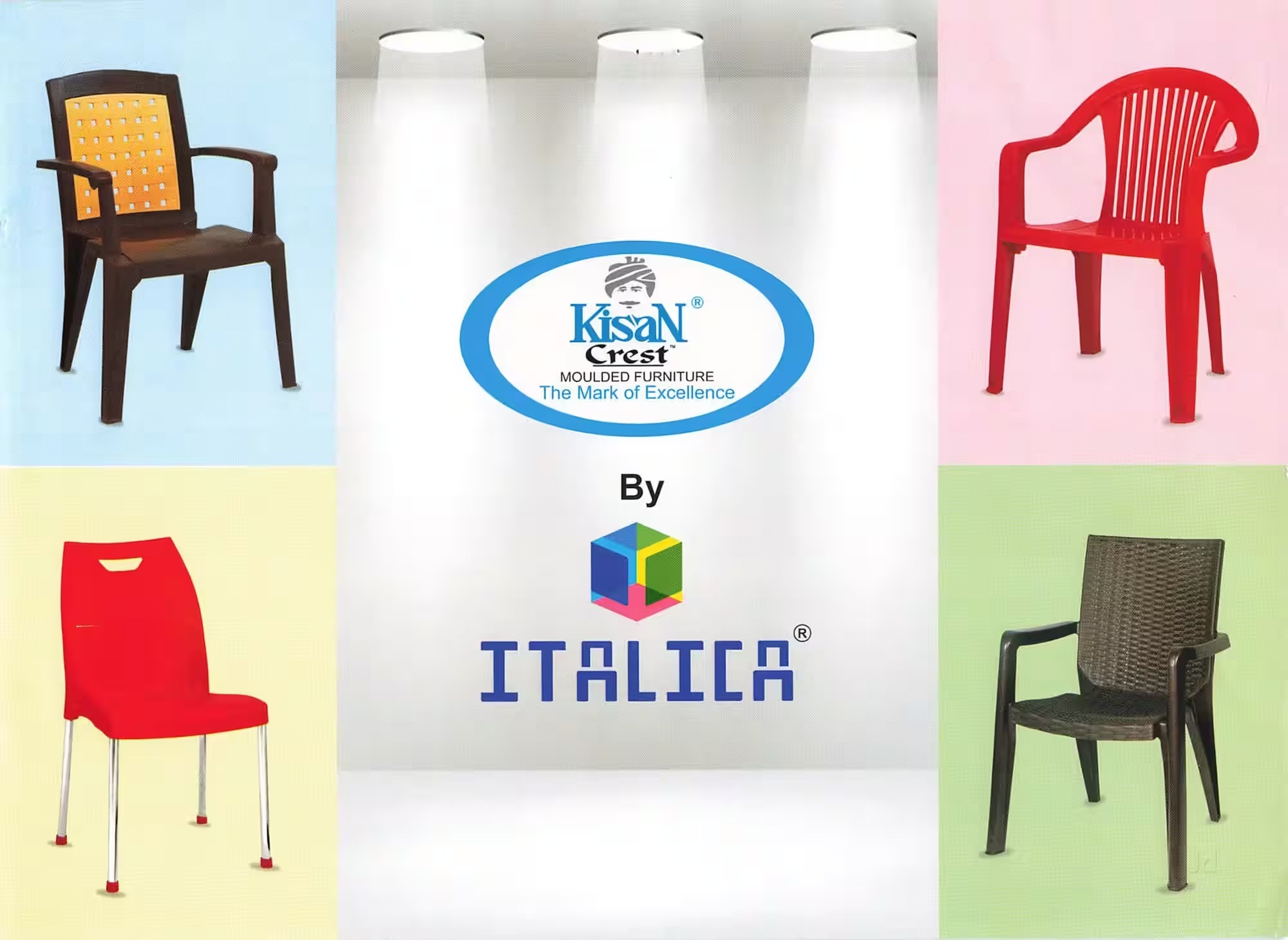
The company operates through two primary manufacturing units. The flagship facility is in Udaipur, and it recently finalized the acquisition of a unit in Silvassa from Kisan Mouldings. This acquisition was a strategic move to secure its supply chain in the western region, shifting from a lease model to full ownership. The total consolidated production capacity now stands at 8,450 MTPA, with plans to push this to over 10,000 MTPA by March 2026.
Despite the “Lifestyle” branding, the bread and butter of the business remain high-volume, low-margin products. This includes not just household furniture but also material handling solutions like crates and waste management bins. Their client list includes big names in e-commerce and logistics, such as Big Basket and Delhivery, which provides some level of institutional credibility to their industrial product line.
The company is currently lead by Daud Ali, a veteran with over four decades of industry experience. However, the experience at the top has yet to translate into a sustainable growth engine for the shareholders. With a massive network of over 4,500 dealers and 216 distributors across 22 states, the infrastructure for a larger play is clearly in place. The question remains whether the management can turn this vast network into a more profitable enterprise.
3. Business Model – WTF Do They Even Do?
PIL Italica essentially turns plastic granules into things you sit on or put your trash in. They are in the business of Injection Moulding, a process where they melt plastic and shove it into various moulds. They have over 150 proprietary moulds in Udaipur and another 51 in Silvassa, allowing them to churn out everything from luxury armchairs to those industrial-strength crates you see at the back of grocery stores.
The business is split into three main verticals:
- Plastic Furniture: This is the face of the brand, sold under the “Italica” name. They try to spruce this up by calling it “Designer” or “Spine Care,” but at the end of the day, it’s a commodity business where price and distribution reach are the only real moats.
- Material Handling: They manufacture crates for the dairy, agriculture, and e-commerce sectors. This is a B2B play where volume is king. If you’ve seen a green crate full of tomatoes, there’s a decent chance Italica made it.
- Waste Management: They make dustbins. High-capacity bins for hospitals, parks, and airports. It’s unglamorous but essential, and it provides a