1. At a Glance
Ladies and gentlemen, the ₹17,000 crore market cap beast that built half your air conditioner and probably the washing machine too—PG Electroplast Ltd (PGEL)—just reported a quarter that looks like your cousin’s “break year” between CAT attempts.
Revenue for Q2FY26 came in at ₹655.37 crore (down 2.4% YoY), while net profit crashed 85.7% to ₹2.76 crore. If you think that sounds bad, you’re right—it’s the corporate version of a fever dream after a ₹700 crore capex binge.
At ₹596/share, PGEL trades at P/E 66.8x, EV/EBITDA 33.3x, and a price-to-book of 5.8x—which basically means the market still believes the Make-in-India fairy tale. The company’s ROCE stands at 19.4%, ROE at 14.9%, and debt-to-equity at 0.20, proving that even with mountains of capex, PGEL still manages to stay relatively fit.
But here’s the kicker: management has given FY26 guidance of ₹5,700–5,800 crore revenue with ₹700–750 crore capex. Imagine spending half your PAT on machines and still smiling on investor calls. Welcome to PGEL’s “National Manufacturing Romance.”
2. Introduction
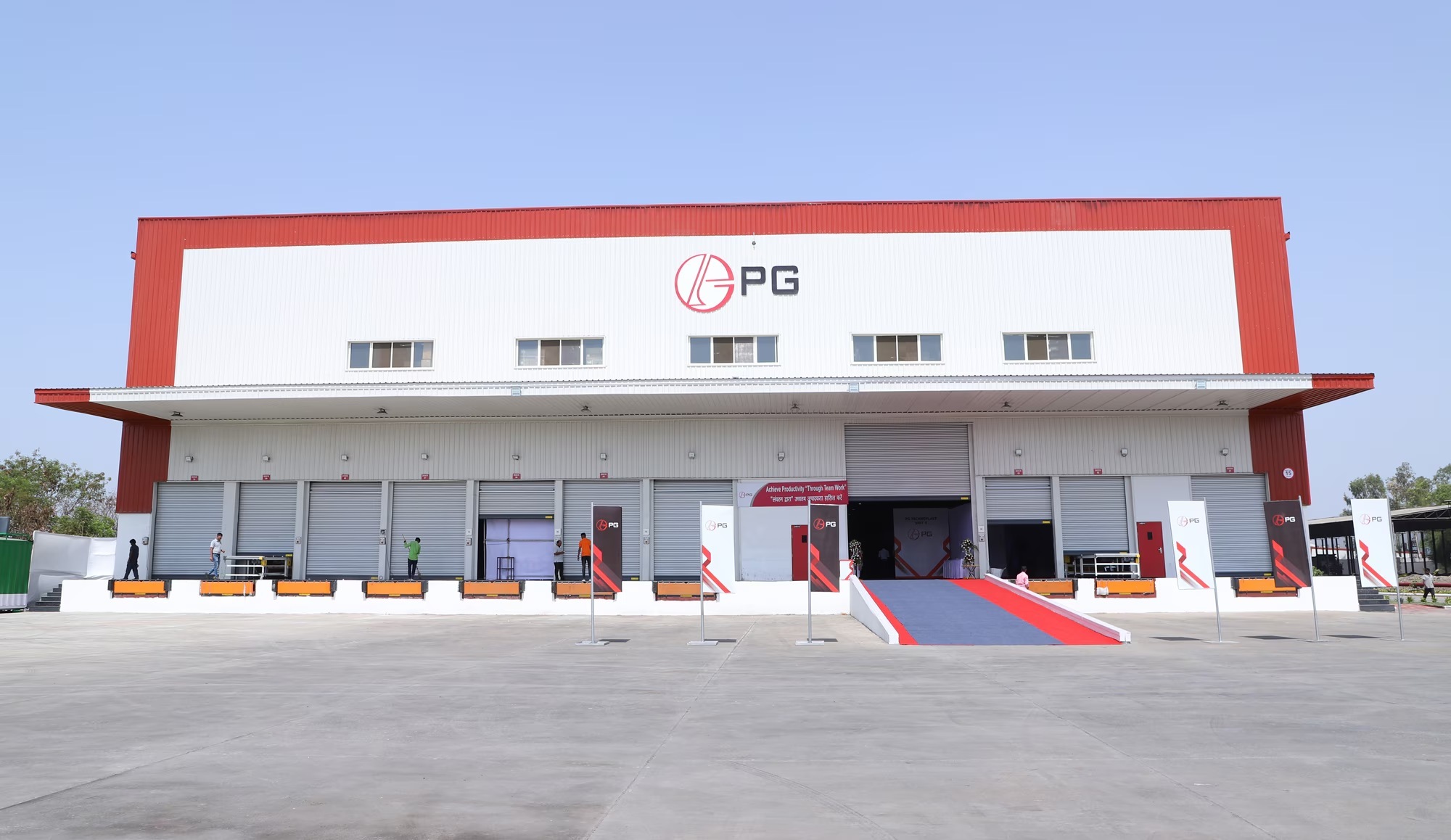
Once upon a Make-in-India poster, the PG Group, born in 1977, decided that India shouldn’t just consume electronics—it should make them too. Cut to 2025, and PG Electroplast has transformed from a plastic moulding workshop into one of India’s most diversified Electronic Manufacturing Services (EMS) companies, rubbing shoulders with giants like Dixon and Havells.
The company’s business now spans air conditioners, washing machines, coolers, PCBs, plastic moulding, and even tooling—a full desi buffet of manufacturing. Its wholly owned subsidiary PG Technoplast runs the show for air conditioners and consumer durables, while recent JVs like Goodworth Electronics are meant to boost its TV business. Basically, PGEL wants to be everywhere your remote control can reach.
But let’s be real—Q2FY26 wasn’t the best of times. With sales slightly down and profits nosediving 85%, it’s the kind of quarter analysts describe as “transitional” (a polite way to say “ouch”). Yet management remains unshaken, throwing out capex plans like confetti—₹1,000 crore at Sri City, ₹1,000 crore MoU in Maharashtra, and ₹700 crore capex this year. Someone needs to hide their cheque book.
So, what exactly are they building, breaking, or dreaming about this time? Let’s investigate.
3. Business Model – WTF Do They Even Do?
If you’ve ever wondered who makes the electronics for brands that pretend to make electronics—here’s your answer: PG Electroplast.
They’re the behind-the-scenes manufacturer for over 50 brands, including LG, Carrier, Whirlpool, Godrej, Voltas, Blue Star, and Crompton. They don’t sell to you directly—they make the stuff that companies slap their logos on. The company operates across four business verticals:
- Products (61% of FY24 revenue): The superstar segment. They make room air conditioners, washing machines, and air coolers. PGEL is the second-largest ODM for both air conditioners and washing machines in India.
- Plastic Moulding (25%): The OG business—plastic components for consumer durables, fans, and sanitaryware.
- Electronics (13%): Assembling printed circuit boards (PCBs), mostly for TVs. The segment was booming but has now been shifted to its JV Goodworth Electronics, so FY25 might see a short-term dip.
- Tool Manufacturing (1%): The company’s “R&D gym,” making custom tools for its own products and clients.