Panchsheel Organics Q4 FY26: The Quarter Operating Margin Clocked Out at 7.8%
Spotted a factual error — a wrong number, date, or fact? Tell us and we will check the source.
General information and entertainment, not investment advice. The author is not a SEBI-registered adviser or research analyst. No recommendation, no promised returns. Markets carry risk including loss of capital. Figures may not be current. Consult a registered adviser before acting.
1 — At a Glance
For eleven quarters, Panchsheel Organics ran operating margins in a tidy 13–20% corridor. Then the March 2026 quarter arrived and operating profit fell to ₹2.43 crore on ₹31.07 crore of sales — an operating margin of 7.82%, roughly half of what the business had been posting all year. Quarterly net profit landed at ₹1.70 crore, down 46.4% from the ₹3.17 crore of March 2025, even as sales rose 9.5% over the same quarter.
The full year softens the shock without erasing it. FY26 revenue held almost flat at ₹106.78 crore against ₹107.18 crore, while net profit slipped 21.5% to ₹10.83 crore from ₹13.79 crore. Earnings per share moved in step, ₹10.47 to ₹8.22 — and with the share count unchanged, that fall is profit, not dilution.
Underneath sits a bulk-drug maker that is almost debt-free, holds a comfortable current ratio, and carries a networth of ₹140.83 crore. The market pays 14.4 times earnings for it against a pharma peer median north of 35. A single soft quarter, or the shape of things settling lower? The year’s own numbers give both readings room.
2 — Introduction
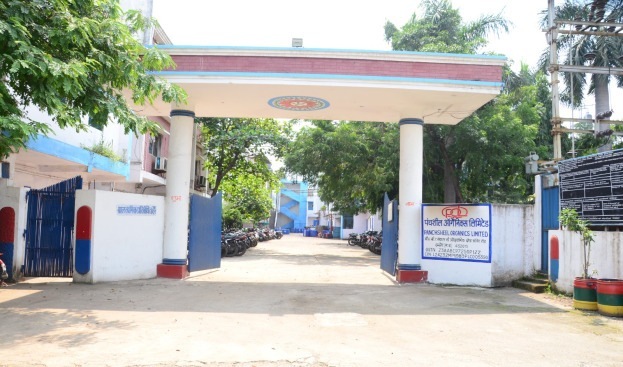
Incorporated in 1990 and part of the Turakhia Bros group, Panchsheel Organics manufactures bulk drugs and intermediates out of a plant at Indore, Madhya Pradesh. Three Turakhia brothers — Rajesh, Kishore and Mahendra — sit at the centre of the register, each holding just over 16%, with Mahendra serving as Chairman and Managing Director.
The company spent FY23 through FY26 changing shape. A preferential allotment in FY23 lifted the equity base and flooded reserves, which jumped from ₹37 crore to ₹84 crore in a single year. Since then the balance sheet has been quietly building plant: capital work-in-progress climbed from ₹3.53 crore in FY23 to ₹17.12 crore in FY26. The company was allotted seven acres of land by MPIDC in August 2024 and approved a factory-premises acquisition of about ₹2.90 crore in February 2024 — capital is going into ground and buildings, not into the reported profit line.
The finance office saw turnover too. CFO Chandrakant Shah passed away in April 2023; Gaurang Patel later resigned, and Deepak Shah was appointed in February 2024. Crisil reaffirmed the company at BBB-/Stable in May 2025.
3 — Business Model: WTF Do They Even Do?
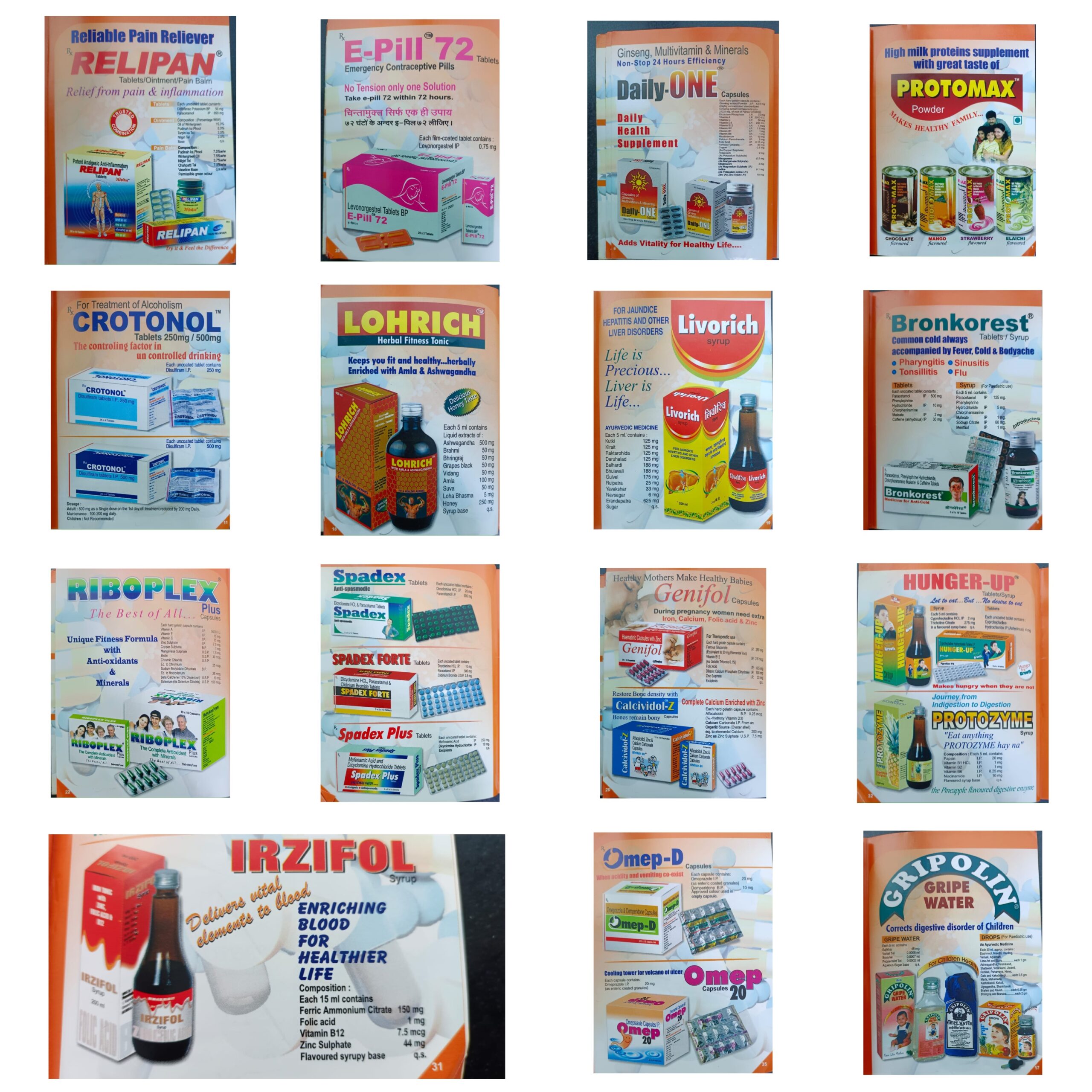
Panchsheel makes the unglamorous middle of the pharmaceutical supply chain — active pharmaceutical ingredients and intermediates — and then keeps adding shelves. The stated range runs from APIs, steroids and hormones through pharma pellets, third-generation drugs, finished formulations for both humans and veterinary use, and then keeps going into agri-biotech (bio-fertilizers, bio-stimulants, growth promoters), aquaculture products, dehydrated culture media, probiotics and enzymes. It is WHO-compliant, ISO and GMP certified, and reports itself as a single manufacturing-and-trading segment.
The customer list is the reassuring part: Dr Reddy’s, Sun Pharma, Ipca, Macleods, Piramal and Arti Drugs among others. This is a supplier-to-the-giants business — the peer table in Section 11 lists some of Panchsheel’s own customers as companies fifty times its size.
The catalogue reads long; the revenue is concentrated. The FY23 disclosure put finished goods at about 89% of sales and stock-in-trade at 11%, with domestic sales at roughly 99% and exports around 1%. For a firm that markets itself as an “exporter,” the export line is a rounding error — the agri-biotech and aquaculture range is breadth on the brochure more than it is weight in the accounts. What actually pays the bills is bulk drugs sold to Indian pharma majors, and the installed capacity backing it is 120 TPA at one Indore plant.
Does a catalogue this wide signal ambition, or a company still hunting for the product that scales?