Ladies and gentlemen, welcome to the curious case of Osiajee Texfab Ltd, where a company that started out selling sarees and synthetic fabrics now owns 250 acres of farmland and reports Operating Profit Margins of 73.6% — the kind of number that makes even FMCG CEOs sweat. With a market cap of ₹200 crore and a current price of ₹371, Osiajee is the smallcap textile phoenix that decided to rise, shine, and apparently grow eucalyptus too.
Over the last year, this “fabric farmer” delivered a 639% return, making its early investors look like clairvoyants. Revenue for FY25 stood at ₹8.41 crore, while PAT zoomed to ₹6.58 crore, translating into an EPS of ₹12.18 and a Return on Equity (ROE) of 40.1%. And just when you think the story can’t get wilder, it’s worth noting that their half-year FY26 consolidated profit stands at a spicy ₹2.10 crore already.
So, what happens when a company mixes high-thread-count textiles with high-yield crops? You get Osiajee Texfab — where polyester meets poplar.
2. Introduction
If there were a Netflix series called “Corporate Plot Twists of India,” Osiajee Texfab would definitely headline Season 3. Founded in 1995 as a textile trader, it looked destined for an ordinary smallcap existence — until it suddenly diversified into agro-farming, shifted its office from Gujarat to Punjab, and began operating like it was auditioning for the “Most Random Corporate Strategy” award.
From producing cotton, silk, and jute fabrics to cultivating eucalyptus and poplar trees for plywood industries, the company’s portfolio looks like an Indian wedding buffet — a bit of everything. But the numbers tell a more serious story. Revenue has tripled in just one year, profits have exploded by 488%, and margins have grown from single digits to a jaw-dropping 74%. Either they discovered a textile version of ChatGPT, or someone in management truly understood leverage and operating efficiency.
But before you start dreaming of owning “Osiajee Agro Villas,” let’s remember — promoter holding is just 2.78%. That’s right, the people running the show hold less equity than the average retail WhatsApp group combined. Meanwhile, Eminence Global Fund has entered with an 8.45% stake, adding an institutional twist to this already dramatic script.
3. Business Model – WTF Do They Even Do?
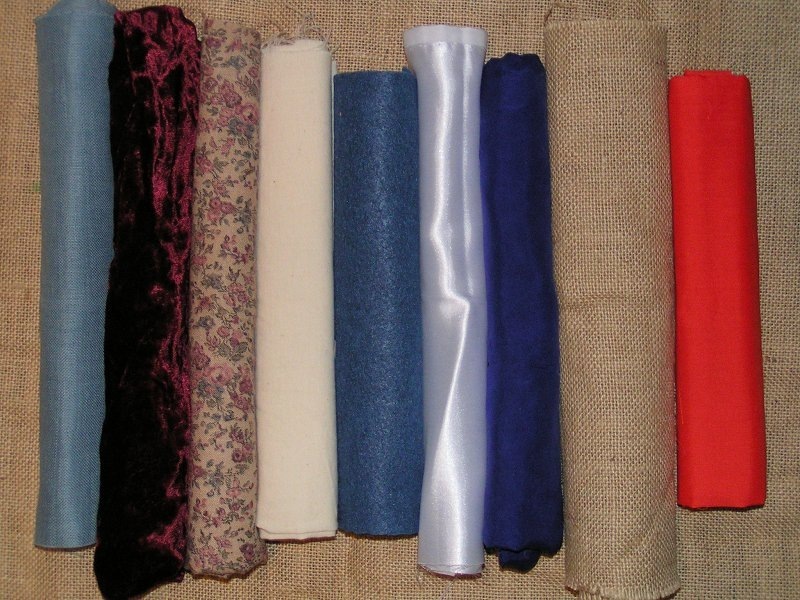
At its core, Osiajee Texfab trades and manufactures textiles and fabrics — natural, synthetic, blended, embroidered, or possibly enchanted. From cotton and silk sarees to nylon uniforms, from art silk to polypropylene threads, this company’s product catalog could fill a Lajpat Nagar warehouse twice over.
But then came the curveball — agro farming. In 2021, Osiajee set up Osiajee Agro Farms Ltd (OAFL), its wholly owned subsidiary, to grow eucalyptus and poplar trees. Why trees? Because Punjab’s plywood factories needed them, and apparently, nothing says “diversification” like planting forests when you’re supposed to be weaving fabrics. OAFL has already acquired 250 acres (150 owned + 100 leased), with funding from Federal Bank, and plans to expand to 750 acres within five years.
So now, Osiajee is essentially a dual-engine business — fabric trading and agro-forestry. A weird combination, yes, but if it keeps printing profits at this rate, investors won’t complain whether the product is a bedsheet or a bark.
4. Financials Overview
Here’s the summary of Q2 FY26 performance vs previous quarters:
Metric (₹ Cr)
Q2 FY26 (Sep’25)
YoY Q2 FY25
Prev Q1 FY26 (Jun’25)
YoY %
QoQ %
Revenue
1.69
0.76
0.80
122%
111%
EBITDA
1.32
0.39
0.37
238%
257%
PAT
1.71
0.40
0.40
328%
328%
EPS (₹)
3.17
0.74
0.74
328%
328%
Commentary: If profitability were a movie, this would be KGF 3. Every quarter, Osiajee adds another layer of madness — sales up 122% YoY, PAT up 328%, and margins now resemble software companies. At this point, textile peers must be wondering if Osiajee discovered invisible fabric that costs nothing to produce.
5. Valuation Discussion – Fair Value Range
Let’s value this beast the old-fashioned way, with sarcasm and math.
a) P/E Method: EPS (TTM): ₹12.18 Industry P/E: 19.3 Current P/E: 30.4
If valued at industry P/E → ₹12.18 × 19.3 = ₹235/share
If valued at current multiple → ₹12.18 × 30.4 = ₹370/share ✅ Fair Value Range (P/E method): ₹230–₹380
b) EV/EBITDA Method: EV = ₹205 crore EBITDA = ₹6.19 crore EV/EBITDA = 33x Industry textile average ≈ 18x If rerated to 18x → 6.19 × 18 = ₹111 crore EV → Fair price ≈ ₹200/share ✅ Fair Value Range (EV/EBITDA method): ₹200–₹380
c) DCF (simplified): Assume PAT growth 20% CAGR for 5 years, discount rate 12%. Approx intrinsic range ≈ ₹250–₹400/share
Overall Fair Value Range: ₹230–₹380/share
This fair value range is for educational purposes only and is not investment advice.
6. What’s Cooking – News, Triggers, Drama
2025 has been a spicy year for Osiajee. The company is basically running on announcements per week: