1. At a Glance – The Lead Story That Might Melt Your Portfolio
Imagine running a ₹1,000 crore business where 90% of your revenue comes from one customer. Not two. Not three. ONE. That’s not a business model — that’s emotional dependency.
Welcome to Nile Ltd — a company that literally melts old batteries, extracts lead, and somehow manages to melt investor confidence at the same time.
On paper, this looks like a classic undervalued commodity play:
- P/E of ~9.8 (cheap)
- ROCE ~20% (decent)
- Almost debt-free (nice)
- Profit growth ~56% (juicy)
But then reality walks in like a strict Indian parent:
- Customer concentration = 90%+ dependence on Amara Raja
- Commodity business = zero pricing power
- Margins = thinner than hostel dal (6–7%)
- Cash flow = suddenly negative in FY25
And just when you think diversification is coming, management says:
“Don’t worry, we’re entering lithium battery recycling.”
Translation:
“We’re trying to evolve before our main customer dumps us.”
But here’s the real question —
Is Nile a hidden gem quietly compounding…
Or just a lead recycling machine surviving on one corporate relationship?
Let’s investigate like a slightly sarcastic auditor who doesn’t trust anything that looks too simple.
2. Introduction – The Story of a Company That Eats Batteries for Breakfast
Nile Ltd started in 1984. Initially, it wasn’t even about lead. Like many Indian companies, it pivoted later when it realized where the real money is — recycling batteries.
Today, it does one thing:
- Collect scrap batteries
- Melt them
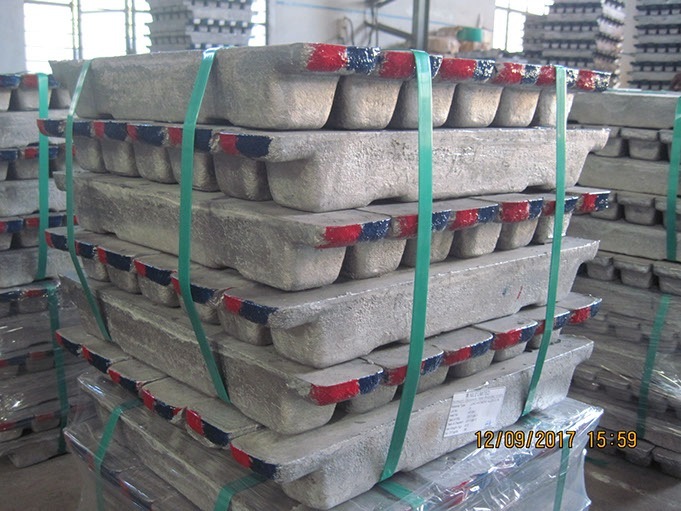
- Extract lead
- Sell it back to battery manufacturers
It’s basically the circle of life, but for batteries.
And honestly, the business is not stupid. It’s actually smart:
- Recycling is cheaper than mining
- Demand for batteries is rising (EVs, inverters, telecom)
- Government rules support recycling
So Nile sits in a structurally strong industry.
But here’s