Nikhil Adhesives Ltd (Mar 2026): A Turnaround on Margin, a Multiple on Pause
Spotted a factual error — a wrong number, date, or fact? Tell us and we will check the source.
General information and entertainment, not investment advice. The author is not a SEBI-registered adviser or research analyst. No recommendation, no promised returns. Markets carry risk including loss of capital. Figures may not be current. Consult a registered adviser before acting.
1. At a Glance
The headline is simple: Nikhil Adhesives margins expanded 90 basis points in FY25 and climbed another 76bps to 6.8% in Q1-FY26, yet the stock price hasn’t rewarded the operational lift. FY25 saw net profit surge 27% to ₹17 Cr while revenue remained nearly flat at ₹554 Cr—a company choosing efficiency over topline aggression.
The RDP segment is burning cash and tracking to breakeven in Q2-FY26. The fresh leadership (three new board/KMP hires in FY25) is building muscle in R&D and construction chemicals, but scale remains a concern. Debt sits at 0.46x equity and liquidity is adequate. The cost of capital has compressed margins in the past, yet raw material share of 80% of sales means pricing power is the real battleground.
The tension: is this a margin play waiting to click on volume, or a stock held hostage to a sector’s stubborn commoditization?
2. Introduction
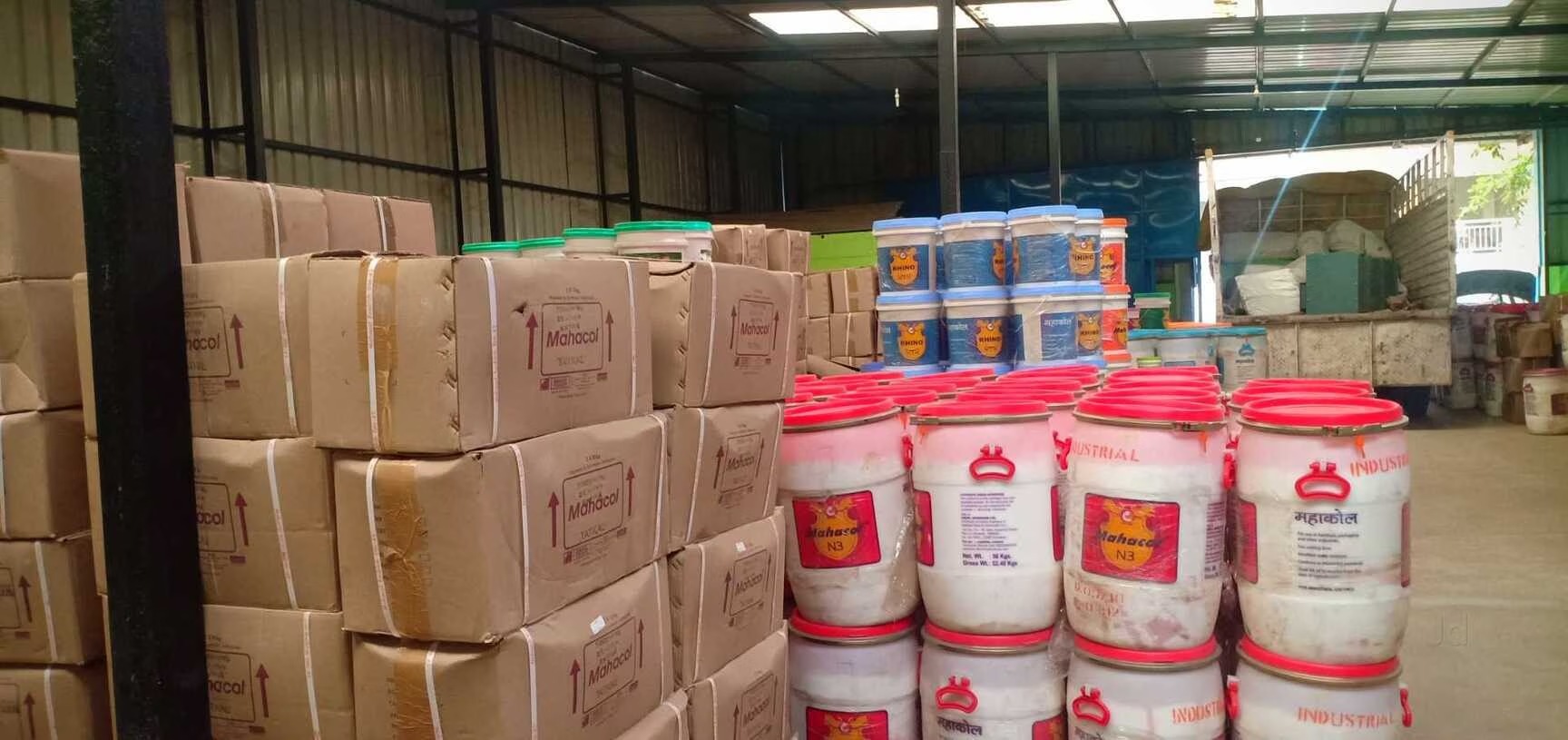
Nikhil Adhesives, incorporated in 1986, sits at the hinge of two worlds: industrial B2B emulsions and adhesives that feed paint, textiles, and packaging; and consumer-facing adhesives and construction chemicals under the Mahacol and Mahafix brands. The company operates 135,000 MTPA of capacity across 7 plants—Dahanu, Silvassa, Dahej (the crown jewel at 60k), Bangalore (two plants), Mehatpur, and a dedicated 12k RDP unit.
For two decades, Nikhil moved with the furniture and construction boom. Between FY15 and FY22, revenue climbed from ₹251 Cr to ₹814 Cr—a 13% CAGR—on the back of rising demand, new plant additions, and the 2019 launch of its India-first RDP plant. Then the ceiling hit hard.
From FY22 to FY26, revenue fell 32%, sliding to ₹554 Cr. The culprit: a strategic pivot. Management consciously unwound the trading business (a low-margin, high-working-capital sinkhole) and reset focus to high-value-add manufacturing. In the rubble of that contraction, a business emerged: one running tight.
3. Business Model: WTF Do They Even Do?
Nikhil operates four manufacturing verticals:
Paint Emulsions (71+ SKUs): Water-based binders and resins for paints and coatings. The top customers—Asian Paints, Akzo Nobel, Nippon, Berger, Kansai Nerolac—are household names. Margin is flat, margins are competitive, and consolidation favours large players. This is the bread and butter.
Textile Emulsions & Binders (in emulsions): A smaller pocket but higher specificity. Customers include Welspun, Reliance, and specialty mills. Less price war, more chemistry. Stable, unexciting.
Industrial Adhesives (42+ SKUs): Tape, packaging, automotive, electronics. The margins trend better here because switching costs are higher and product specs matter. The company counts BASF, Dow, and smaller appliance makers among clients.
Construction Chemicals (28+ products under Mahafix): The growth play. A 2024 launch that pivoted Nikhil into B2C, targeting carpenters and contractors with tile adhesives, waterproofing, grouting, and flooring compounds. In 10 months, 160 distributors signed up; management targets 350 by end-FY26.
RDP (Re-dispersible Polymer) (12k MTPA, launched 2023): A 100% import substitute for construction mortars. India’s only producer. The global RDP market was valued at USD 1.8 Bn in 2023 and is estimated at USD 3.5 Bn by 2030 (7.1% CAGR). Nikhil has the plant, the IP, and zero domestic competition. The problem: it’s losing money. Expected breakeven in Q2-FY26.
The model: B2B feeds stability and cash, B2C feeds growth and brand, RDP feeds ambition (and hopes). The tethers are raw material cost (80% of sales), distribution friction in a crowded adhesive market, and the customer concentration risk—top 5 account for 44% of sales.
4. Financials Overview
Figures are consolidated, in ₹ crore.
Metric
Mar 2024
Mar 2025
Mar 2026
FY25 vs FY24
FY26 vs FY25
Revenue
564
585
554
+3.7%
-5.3%
EBITDA
31
37
36
+20%
-3%
EBITDA Margin
5.5%
6.3%
6.5%
+80bps
+20bps
PAT
13
17
17
+27%
0%
PAT Margin
2.4%
2.9%
3.1%
+50bps
+20bps
EPS
2.88
3.67
3.78
+27%
+3%
FY25 delivered the goods on cost. Management automated plants at Dahej and Tumkur, reallocated overhead, and tightened working capital. The 80bps EBITDA lift flowed straight to profit, driving the 27% net profit jump despite flat revenue. Raw material costs fell as a share of sales—not from input prices softening, but from higher-margin B2C and specialty output.
FY26 saw a 5.3% revenue drop to ₹554 Cr, but margins held. EBITDA compressed 3% while the operating margin expanded 20bps to 6.5%. The culprit: depressed trading revenue and softer sales in standard emulsions (paint price deflation) offset by a tighter cost base and rising B2C contribution (now 20% of revenue vs 18%).
Q4 FY26 Deep Dive: Q4 saw a steep 4% YoY drop in sales to ₹166 Cr from ₹148 Cr last year. Operating profit ticked up 26% to ₹11.2 Cr, lifting operating margin to 6.8%. Net profit bounced 12% to ₹6.3 Cr on tax efficiency. EPS grew to ₹1.37 annualised (0.92 reported × 4 annualisation is not standard in Q4 context—using full year FY26 EPS of ₹3.78).
5. Market Expectations & Historical Multiples
This section describes how the market is currently pricing the company and how that compares with its own history and peer group. It is descriptive, not predictive.
Metric
Current
Historical Average (5Y)
Peer Median
P/E
21.0x
18.5x
29.1x
EV/EBITDA
11.4x
12.8x
~15.5x
PAT Margin
3.1%
2.8%
~4.2%
ROCE
15.1%
17.5%
14.6%
The market currently pays 21x earnings here, a 13% premium to its own 5-year average of 18.5x. Against a peer median of 29x (Pidilite at 65x, Gujarat Fluorochem at 68x, Deepak Nitrite at 39x), Nikhil trades at a 28% discount—a signal that the market is pricing a structural profitability gap or betting that scale doesn’t follow margin.
For every rupee of sales, Nikhil nets 3.1 paise after tax, below the peer