The numbers are out, and they aren’t just talking; they are shouting. NDR Auto Components Limited (NDRAC) has clocked its highest-ever quarterly sales in Q4 FY26, hitting ₹229 crore, pushing its annual revenue to a massive ₹822.5 crore. But if you think this is just another metal-bending auto parts story, you are looking at the wrong map.
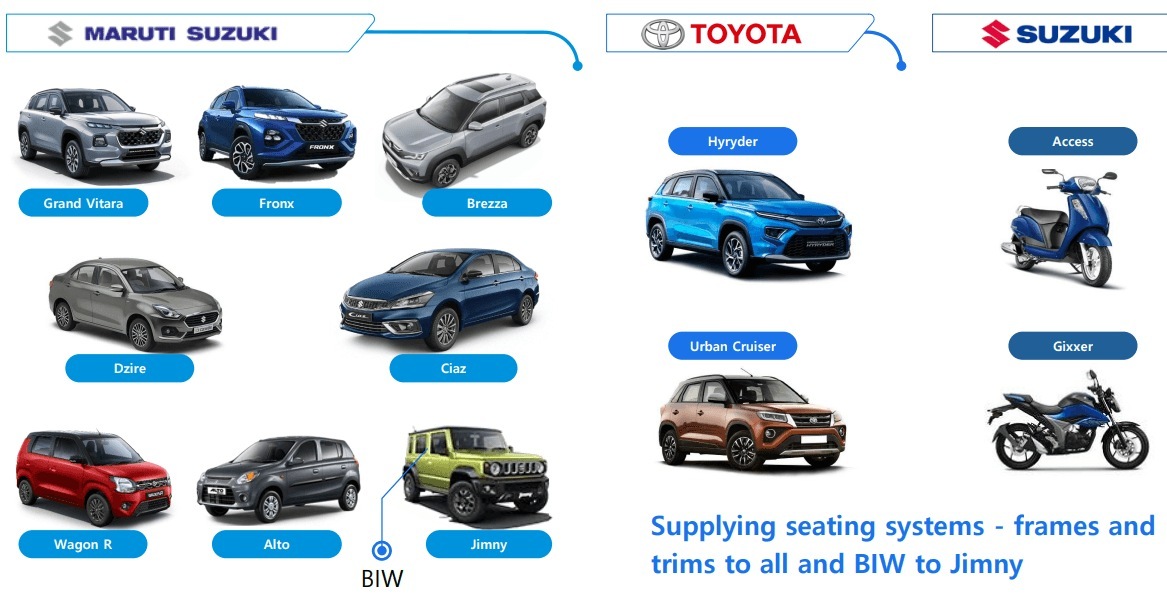
While the broader auto industry struggles with stagnant margins, NDRAC is pulling off a heist in broad daylight—increasing its EBITDA margins to 11.9% and delivering a specialized ROCE of 36.22% (adjusted for non-core assets). This is a company that has transformed from a humble seat frame maker into a sophisticated partner for the biggest names like Maruti Suzuki and Toyota.
The red flags? They aren’t missing. The dependence on Maruti remains a massive concentration risk, and the recent slump sale of the sunshade and trim businesses suggests a radical internal restructuring that investors need to watch like a hawk. Is this a strategic pivot or a desperate cleanup?
1. At a Glance
NDR Auto Components is no longer a “new kid on the block.” Since its inception in 2019, it has weaponized its relationship with the Relan Group and Suzuki to capture a dominant share of the Indian seating market. But beneath the surface of the ₹822.5 crore revenue, there is a complex web of Joint Ventures (JVs) and subsidiaries that hold the keys to its future.
The company is currently aggressive. It has reported a 15.4% growth in sales and an 18% jump in PAT for FY26. What’s truly drawing the crowd is the order book, which has swelled to ₹650 crore as of March 2026. However, seasoned observers are looking at the “Slump Sales.” On May 11, 2026, the board approved moving the Sunshade and certain Trim businesses into JVs and subsidiaries.
The Red Flag: While management calls this “strategic alignment,” it effectively moves revenue streams out of the parent entity. Why now? And at what valuation?
The company is betting the farm on Vision 2030, aiming for a ₹3,000 crore revenue target. To get there, they aren’t just selling seat frames anymore. They are moving into Ambient Lighting, Seat Latches, and Seat Belt Reminder Systems. This is “content-per-vehicle” expansion at its most aggressive.
The question isn’t whether they can grow; it’s whether they can manage the sheer complexity of four different JVs while maintaining the Zero Debt status they so proudly flaunt. With a P/E of 31.2, the market is already pricing in a lot of perfection.
2. Introduction
NDR Auto Components operates at the heart of the Indian passenger vehicle (PV) boom. If you’ve sat in a Maruti Grand Vitara, a Toyota Hyryder, or a Kia Syros, there is a high probability you were resting on NDR’s engineering.
The company specializes in Seat Frames (60% of revenue) and Seat Trims (40% of revenue). These aren’t just pieces of metal and cloth; they are safety-critical components that must survive crash tests and decades of wear. This creates a massive entry barrier—once you are “designed-in” to a vehicle model, you stay there for the 5-7 year life cycle of that car.
Lately, the narrative has shifted toward diversification. The company is setting up a backend for “disruptive” products. We are talking about high-margin electronics and specialized fabrics. The recent ICRA A+ (Stable) rating confirms that the credit markets believe in this transition.
However, the “Detective” in us notes that while the company is expanding, it is also highly localized. Its plants in Gurgaon, Pathredi, Bangalore, and Gujarat are strategically placed next to OEM hubs. This is a double-edged sword: high efficiency, but absolute vulnerability to regional labor issues or localized economic slowdowns.
3. Business Model – WTF Do They Even Do?
Think of NDRAC as the “skeleton and skin” provider for car seats. They don’t make the foam (that’s often handled by their associate, Bharat Seats), but they make the high-tensile steel frames that protect you in a crash and the premium trims that make the cabin look expensive.
The Ecosystem